
Inaugurations & Major Civic Events in DC
How to plan a Washington trip around the big civic days — presidential inaugurations every four years, marches and rallies, the July Fourth fireworks, state funerals and summits. What changes on the ground: security zones, street and Metro closures, hotel pressure, and how to enjoy the city anyway.
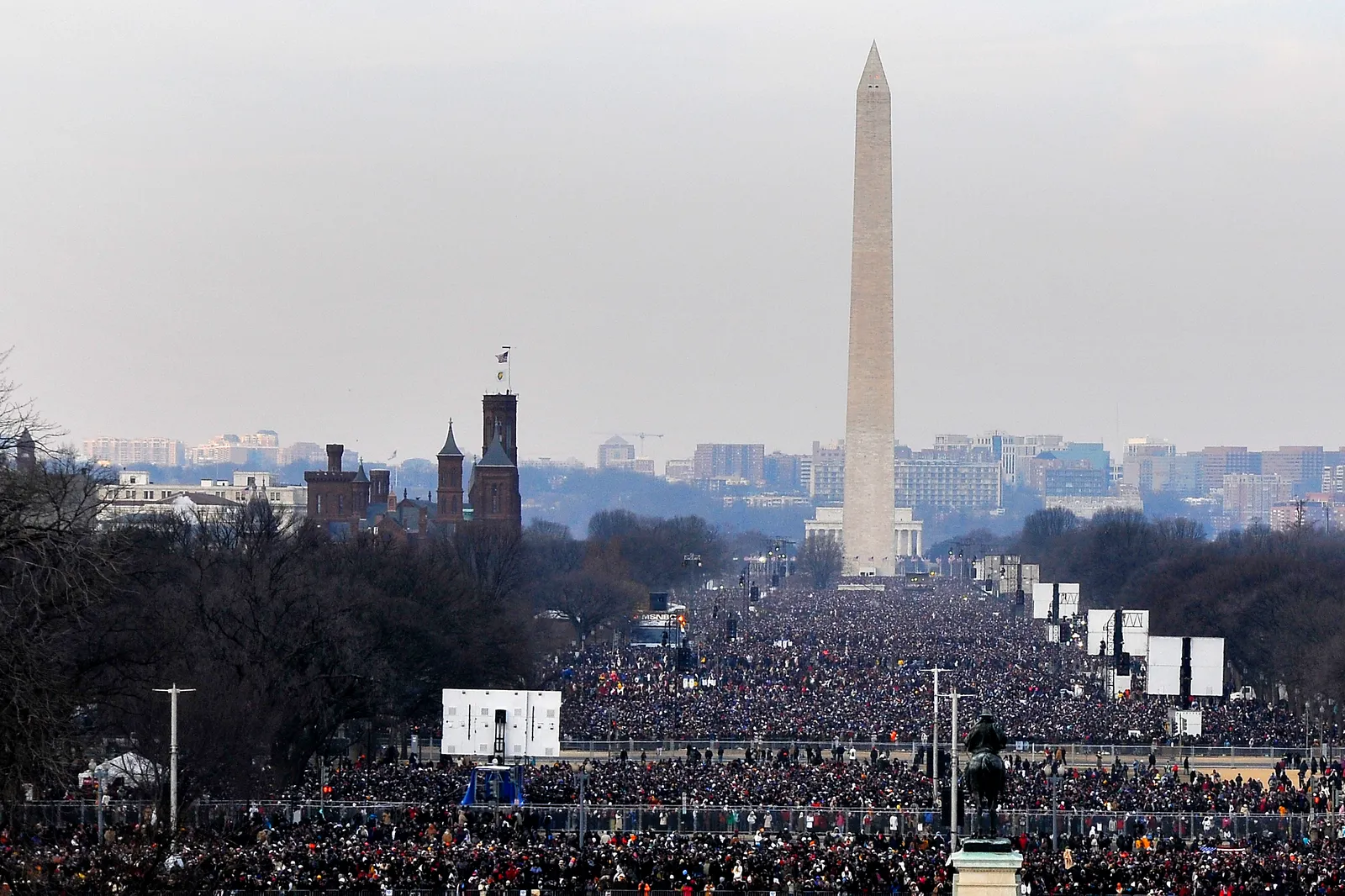
- ✓Washington is built to host the nation's civic set-pieces — a presidential inauguration every four years on January 20th, plus marches, rallies, the July Fourth fireworks, state funerals and the occasional world summit.
- ✓On the biggest days the city reorganises itself: hard security perimeters, wide street closures, traffic-free zones, extra screening and, sometimes, Metro stations that close or skip stops. Always verify the specific arrangements for the date.
- ✓Hotels fill and rates climb hard around inaugurations and the largest gatherings — book very early or, conversely, consider visiting in the quieter weeks on either side.
- ✓These events are a once-in-a-cycle spectacle if you want them, and a reason to rethink timing if you don't — either way, the move is to plan around the closures, not against them.
- ✓If you're caught in the city on a big day without tickets, the open-air monuments, the free museums (when open) and the neighborhoods away from the federal core remain the calm fallback.
Washington's civic calendar, briefly
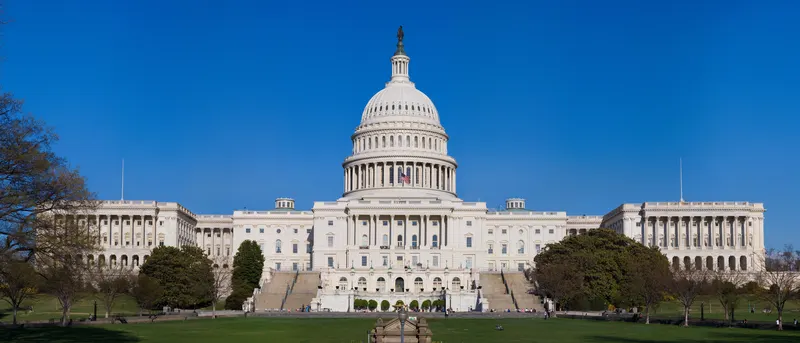
More than any other American city, Washington exists to stage the nation's public rituals, and a handful of them are big enough to reshape a visit. The largest is the presidential inauguration, held every four years on January 20th (moved to the 21st when the 20th falls on a Sunday), centred on the swearing-in at the U.S. Capitol, the inaugural address, the parade along Pennsylvania Avenue and the evening's official balls. Around it, the city hosts a steady stream of marches and rallies on the National Mall — the Mall is, after all, the country's designated stage for the right to assemble — along with the July Fourth fireworks, periodic state funerals at the Capitol and the National Cathedral, and the occasional international summit.
For a visitor, these events fall into two camps. Either you are coming specifically for one — in which case the spectacle is the point and the logistics are worth enduring — or you happen to be in town when one lands, in which case the goal is simply to get around it gracefully. This page is about both: how to plan a trip built around a big civic day, and how to keep a normal visit pleasant when the city is busy with one.



What an inauguration does to the city
An inauguration is the most disruptive planned event Washington hosts, and it is worth understanding the scale before you decide whether to be here for it. A large security perimeter goes up across the federal core — the Capitol grounds, the parade route along Pennsylvania Avenue, and the Mall — with fencing, vehicle barriers and controlled entry points. Wide swathes of downtown streets close to traffic, parking is heavily restricted or removed, and screening checkpoints control access to the ticketed and standing-room areas. Some Metro stations near the route can close, skip, or run differently for the day, while the system overall runs extra service for the crowds.
The flip side is that much of this is genuinely open to the public. Standing-room areas on the Mall for the swearing-in are free and do not require a ticket; the parade has public viewing along its route; and the whole thing is one of the great civic spectacles a visitor can witness. Ticketed seating closer to the Capitol is distributed through congressional offices — the same constituent route as a Capitol tour — and goes fast, so request very early if you want it. Whatever you plan, treat the published security map, the road-closure list and the Metro advisory for that specific inauguration as the source of truth, because the footprint changes each cycle and is finalised close to the day.
- Date: January 20th every four years (the 21st if the 20th is a Sunday), centred on the Capitol and Pennsylvania Avenue.
- Free to the public: standing-room areas on the Mall for the swearing-in, and public stretches of the parade route.
- Ticketed seating: distributed through members of Congress to constituents — request very early.
- Expect: hard security perimeters, wide street closures, screening checkpoints, and altered Metro service.
- Always verify: the official security map, closure list and transit advisory for that specific inauguration.
Marches, rallies and the right to assemble
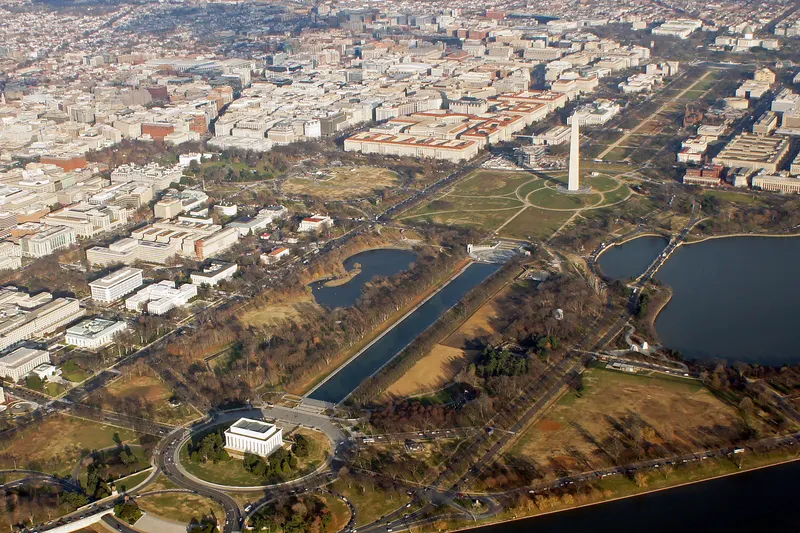
Short of an inauguration, the events most likely to intersect a visit are the marches and rallies on the National Mall. Washington draws demonstrations year-round — some small, some enormous — because the Mall is the country's symbolic gathering place and the National Park Service issues the permits that put them there. A large march can fill the lawn between the Capitol and the Washington Monument, close the surrounding streets, and bring extra security and screening to the federal core for the day.
For most visitors this is more atmosphere than obstacle. The monuments stay open, the museums generally keep their hours, and the crowds are concentrated in known areas you can route around. If you'd rather give a particular gathering a wide berth, the move is simple: see the Mall early in the morning before it fills, or spend that day in the neighborhoods — Georgetown, Capitol Hill's residential streets, the U Street corridor — and return to the federal core another day. Check the day's permitted events and any associated closures if you want to plan precisely, but you rarely need to abandon a trip over one.

Fireworks, funerals and summits
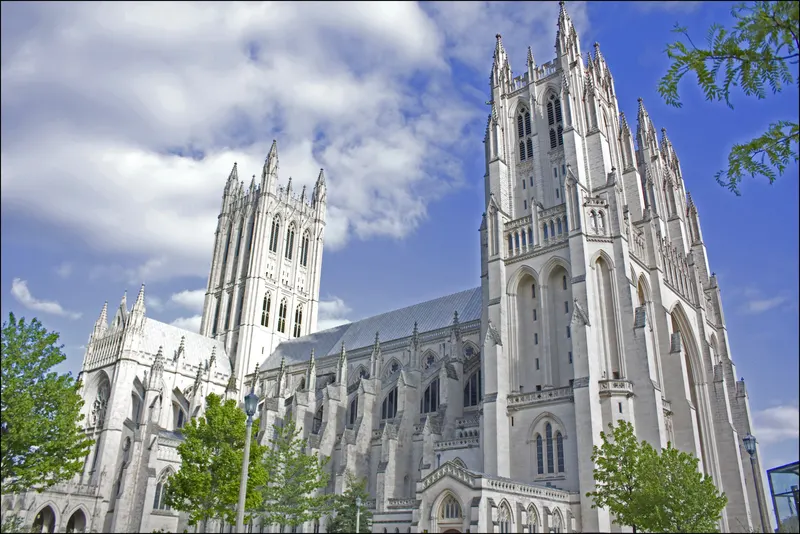
Beyond inaugurations and marches, a few other set-pieces can reshape a day in Washington. The Fourth of July is the predictable one: fireworks over the National Mall draw vast crowds, with security screening to enter the viewing areas, bag restrictions, and street and bridge closures across the core — a wonderful night if you plan for it, and a tough one to navigate if you didn't expect it. State funerals are the unpredictable ones: when a former president dies, the city stages days of ceremony at the Capitol Rotunda and often the Washington National Cathedral, with processions, closures and heightened security on short notice.
International summits and state visits sit somewhere in between — scheduled, but with security footprints that can appear suddenly around hotels, embassies and the convention center. The common thread across all of them is the same as for inaugurations: temporary security zones, rolling street closures, occasional Metro adjustments, and crowds concentrated in specific areas. None of these should ruin a visit, but each rewards a quick check of the day's arrangements so you're not surprised by a closed avenue or a screening line you didn't budget time for.

Getting around when the core is closed
The cardinal rule for a big civic day is to leave the car behind. Driving into central Washington on an inauguration or a major-event day ranges from frustrating to impossible — streets close, parking vanishes, and rideshare drop-offs get pushed far from where you want to be. The Metro is the city's pressure valve: it runs extra service for the crowds and connects the suburbs, the airports and the residential neighborhoods to the edges of the closed zone. The catch is that some stations inside the security perimeter can close or skip stops on the day, so check the transit advisory for that specific event and plan to walk the last stretch in.
On foot, expect the federal core to be a maze of checkpoints and fenced corridors, with pedestrian flow channelled to controlled entry points. Give yourself far more time than the distance suggests, carry as little as possible to clear screening faster, and know that bag size limits and prohibited-items lists are common at ticketed and viewing areas. If you're staying outside the core, your Metro station and your walking route in matter more than usual — pick a hotel near a line that stays open, and confirm which stations are affected before you set out.
- Don't drive into the core — streets close, parking disappears, and rideshare gets pushed to the perimeter.
- Use Metro, but verify which stations close or skip stops for that specific event, and expect to walk the last stretch.
- Allow far more time than the map suggests; checkpoints and fenced corridors slow everything down.
- Travel light to clear screening; expect bag-size limits and prohibited-items lists at viewing areas.
- Staying outside the core, near an unaffected Metro line, is usually easier than staying inside it.

Hotels, prices and timing
The other thing a major civic event does is squeeze the hotels. Around a presidential inauguration, demand surges across the whole region, rooms in the center book out far in advance, and rates climb steeply — this is the single most expensive week to be in Washington in a normal four-year cycle. If you are coming for the inauguration, book as early as you possibly can, and look beyond the federal core to neighborhoods and to the Virginia and Maryland suburbs on a Metro line, where you'll find more availability and better value with a manageable commute in.
If you are not coming for the event, the same dynamic is a reason to shift your dates. The weeks on either side of a big gathering are often calmer and cheaper than the event week itself, and you'll have the monuments and museums to yourself by comparison. Either way, decide early which camp you're in — spectator or avoider — because the booking strategy flips entirely between them. And remember that prices and availability are volatile around these dates, so treat any quote as a moving target and lock in early once you've chosen.
At a glance
A quick read before you plan around a big day. Every event's footprint is finalised close to the date and changes each time, so verify the specific arrangements for yours.
- Inauguration: January 20th every four years (21st if a Sunday); free standing-room on the Mall, ticketed seats via Congress.
- Marches & rallies: year-round on the Mall by NPS permit; usually route-around-able rather than trip-ending.
- Fourth of July: fireworks over the Mall with screening, bag limits and wide closures; plan ahead or stay clear.
- State funerals & summits: short-notice ceremonies and security zones at the Capitol, the Cathedral and around hotels.
- On the ground: hard perimeters, street closures, screening checkpoints, and some Metro stations closed or skipped.
- Transit: skip the car; use Metro but verify affected stations; allow extra time and travel light.
- Hotels: book very early and look to the suburbs on event weeks — or shift your dates to the calmer weeks alongside.

Related guides

Is Washington, D.C. Safe for Tourists?
An honest, practical answer to whether Washington, D.C. is safe for visitors — what the tourist core is actually like, how the Metro and monuments feel day and night, sensible advice for families and solo travelers, what to know about protests and demonstrations, and the heat that is the season's real risk.
Read guide
Parking & Driving in Washington, D.C.
An honest guide to parking and driving in Washington, D.C. — why most visitors are better off without a car, how hotel and Mall parking works, garages versus street parking, the District's strict street rules, and when renting a car for day trips genuinely pays off.
Read guide
Best Hotels in Washington, D.C.
How to choose the right hotel in Washington, D.C. — sorted the way travellers actually decide: by area and Metro access, by what you're here for, and by season. We cover the grand historic landmarks, the central all-rounders, the romantic boutiques, the family-friendly suites and the smartest budget picks, with the trade-offs spelled out so you book once and book well.
Read guideMore in Things to Do
6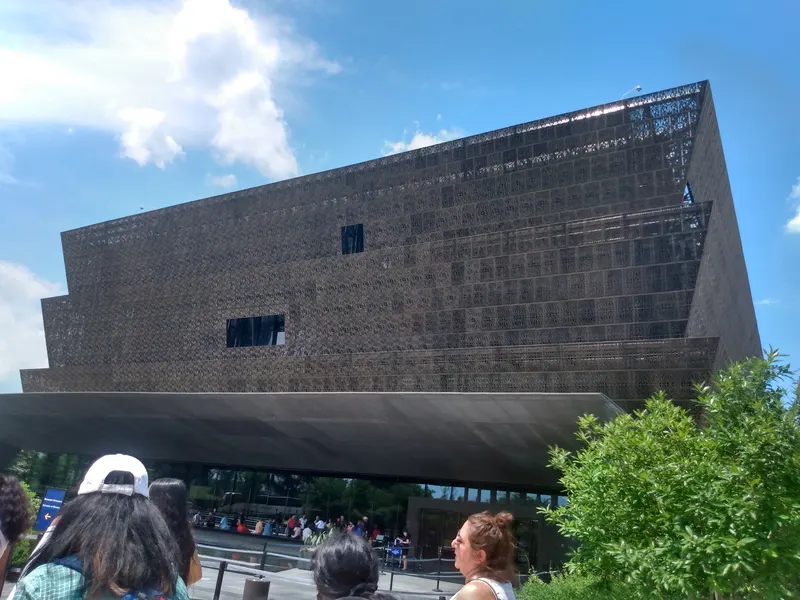
African American History Museum Guide
How to visit the National Museum of African American History & Culture on the Mall — the free timed-entry passes and how to get one, the deep underground history galleries, Sweet Home Café, the lines, how to pace an emotionally heavy visit, and the walk along the Mall.
Read guide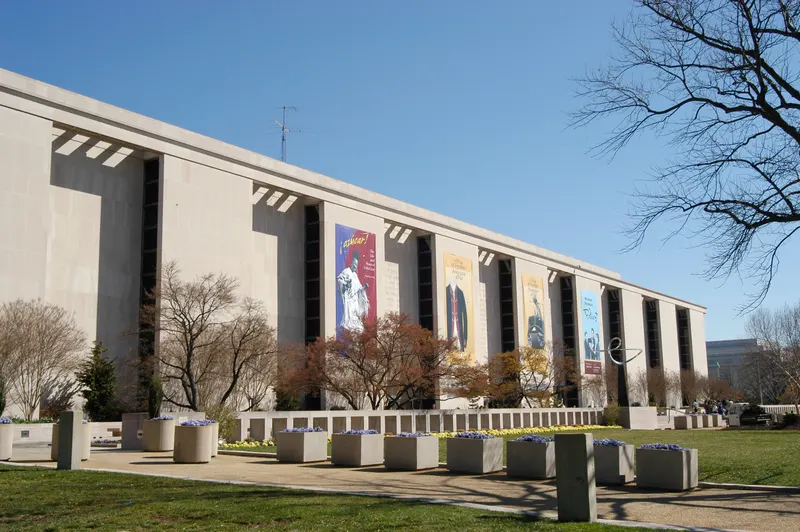
American History Museum Guide
How to visit the National Museum of American History on the Mall — the original Star-Spangled Banner, the First Ladies' gowns, the American presidency, the pop-culture icons, the food-court logistics, and how to time a visit around the school groups.
Read guide
Best Museums in Washington, D.C.
Washington has more world-class museums than any sane trip can hold, and almost all of them are free. This is a guide to the best museums in DC sorted by topic, age, ticket needs, location and rainy-day value — so you can choose two or three with confidence instead of trying to see them all.
Read guide
Best Photography Spots in Washington, D.C.
Where to make great photographs in Washington — the monument reflections, the Tidal Basin blossoms, the Capitol and Lincoln axis, Georgetown's waterfront, hidden rooftops and the golden-hour and blue-hour routes that tie them together.
Read guide
Best Things to Do in Washington, D.C.
A ranked first-trip shortlist of the best things to do in Washington, D.C. — from the National Mall and the free Smithsonian museums to a Capitol tour, the Tidal Basin and Georgetown — built so you can pick a handful and still feel you saw the city.
Read guide
Best Viewpoints in Washington, D.C.
Where to find the best views in Washington — the high monuments and free towers, the rooftop bars and cultural terraces, and the river and hilltop overlooks across the Potomac, ranked by how much effort each one asks.
Read guide