
The Best Time to Visit Washington, D.C.
A month-by-month, season-by-season honest guide to timing a DC trip — the cherry-blossom rush of spring, the heat and storms of summer, the glorious fall, and the quiet, cheaper winter — so you can match the city to what you actually want.

Photo: Nils Huenerfuerst / Unsplash
- ✓Spring and fall are the comfortable seasons — mild air, long days outdoors, and the city at its prettiest; they're also the busiest and priciest.
- ✓Cherry-blossom weeks (usually late March into early April) are magical but the single most crowded, expensive window of the year.
- ✓Summer is hot, humid and storm-prone, packed with school groups — but the evenings on the Mall and the free festivals are a real reward.
- ✓Winter is the quiet bargain: cold and bare, but the lowest prices, the shortest museum queues, and the monuments almost to yourself.
- ✓There is no bad time to visit — only tradeoffs between weather, crowds and cost. Pick the two that matter most to you.
The short answer
If you want the easiest possible recommendation: come in April or May, or in late September through October. Those are the windows when Washington's weather is kindest — warm but not yet oppressive, or cool and clear — and when the city looks its best, with either cherry blossoms and tulips or turning leaves and low golden light. You'll pay for it in crowds and hotel rates, but you'll get the postcard version of DC.
If your priority is value and space rather than perfect weather, flip it: come in winter, roughly December through February (skipping the holiday peak). The trees are bare and the wind off the Potomac bites, but the monuments are nearly empty, the museum queues vanish, and hotel prices fall to their lowest of the year. The rest of this guide is really about which of those tradeoffs — weather, crowds, cost — matters most to you, because in DC you rarely get all three.

Spring (March–May): the famous season
Spring is when Washington shows off, and most of the year's most-watched moment falls inside it: the cherry blossoms around the Tidal Basin. The trees, descendants of a 1912 gift from Tokyo, draw well over a million visitors, and the National Park Service tracks the season toward 'peak bloom' — the day roughly 70% of the Yoshino blossoms open. Peak usually lands in late March or early April, but it shifts every year with the weather, so the NPS revises its forecast through the season and you should treat any date as guidance, not a guarantee.
The blossom weeks are the single busiest, priciest stretch of the DC calendar. Hotels around the Mall fill and rates spike; the Tidal Basin paths get shoulder-to-shoulder by mid-morning. If you come for the blossoms, book far ahead and walk the loop at dawn. The reward outside that fortnight is a gentler spring: April and May bring mild, comfortable days, tulips and dogwood across the city, and long enough light for both monuments and museums in a single day — arguably the best all-round time to visit if you can dodge the peak crush.

Summer (June–August): hot, busy, alive
Be honest with yourself about the heat. A Washington summer is genuinely hot and humid — built, famously, on reclaimed lowland — and afternoons in July and August can be heavy, with sudden thunderstorms rolling through. This is also peak family and school-trip season, so the big museums and the Mall are at their most crowded in daylight. If you wilt in humidity, this is the season to think twice about.
And yet summer has its own magic if you work with it rather than against it. Plan the city in two shifts: air-conditioned museums in the worst of the afternoon heat, monuments and the Tidal Basin saved for the long, warm evenings when the marble is lit and the air finally eases. Summer is also the season of free outdoor events — concerts, festivals on the Mall, fireworks over the monuments around Independence Day. Bring water, sun cover and a flexible attitude to weather, and a summer trip can be wonderful, especially after dark.


Fall (September–November): the quiet favourite
Many regulars will tell you fall is the best time of all, and they have a case. From late September the humidity breaks, the light turns low and golden, and the city's many trees colour up through October into November. Days are crisp and clear, ideal for the long outdoor walking that DC demands, and the summer school crowds have thinned. The weather is the most reliably pleasant of the year for sightseeing on foot.
It isn't a secret, so early fall — especially October — is a popular and not-cheap time to come; rates ease as November cools and the leaves drop. But for a trip built around the Mall, the monuments and neighbourhood wandering, it's hard to beat. Pack layers: mornings can be sharp while afternoons stay warm, and the gap widens as the season goes on.
Winter (December–February): the bargain season
Winter in Washington is cold, often grey, and the trees are bare — and that is precisely why it's underrated. Outside the holiday fortnight, this is the cheapest time to visit, with the lowest hotel rates and the shortest queues of the year. You can have the monuments nearly to yourself, walk into the busiest museums without a wait, and stand inside the Rotunda or the Lincoln Memorial in a calm you'll never find in April. Snow is occasional rather than reliable, but a dusting on the Mall is one of the city's loveliest sights.
The trade is the weather and the daylight: it's properly cold by the Potomac, the wind cuts across the open Mall, and short days mean less outdoor time. The late-December holidays are the exception to the bargain — the city dresses up with the National Christmas Tree near the White House and seasonal displays, and rates and crowds tick back up. If you want the city quiet, cheap and yours, aim for January or February and pack a serious coat.


What the weather actually feels like
Numbers on a forecast don't capture how DC weather lands on the ground, so a few felt truths help. The defining fact of summer is humidity: the city sits on low, once-marshy land beside the Potomac, and July and August afternoons can feel heavier than the thermometer suggests, with the kind of sticky air that flattens energy by mid-afternoon. Pop-up thunderstorms are common and dramatic but usually brief — they clear the air rather than ruin the day. The smart response isn't to avoid summer but to respect the clock: outdoors early and late, indoors in the worst heat.
Winter, by contrast, is more about wind and short days than deep cold. Snow happens but isn't dependable; what you'll feel is the chill funnelling across the open Mall with nothing to break it, and the sun setting early enough to shorten your sightseeing. Spring and fall are the gentle middle — but both are changeable, with sharp morning-to-afternoon swings, so layers do more for you here than any single warm coat. Whatever the season, DC is a walking city of long open spaces, so dress for being outside for hours, not for dashing between cabs.
Crowds, prices and the events that move them
Weather is only half the timing decision; the calendar of crowds and prices is the other half, and the two don't always line up. The reliable peaks are cherry-blossom season in spring, the family-and-school months of summer, and the late-December holidays — these are when hotels are fullest and dearest. The reliable troughs are mid-winter (January–February) and the depths of late summer heat. Spring and fall weekends run pricey; midweek anytime is calmer and cheaper.
A few fixed events reshape the city regardless of season and are worth checking before you lock dates. Independence Day around July 4th packs the Mall for fireworks. Big rallies, marches and state occasions can close streets and tighten security with little notice. And every four years, the presidential inauguration in January fills downtown hotels and shuts large areas to traffic. None of these need scare you off — but knowing about them lets you either join in or step around them.
- Cheapest & quietest: January–February (skip the holiday peak) — cold, bare, but yours.
- Best weather: April–May and late September–October — mild, clear, long days for walking.
- Busiest & priciest: cherry-blossom weeks, summer school season and the late-December holidays.
- Always midweek over weekend, and book months ahead for any spring or fall trip.
- Check the events calendar for July 4th, major rallies, state occasions and (every four years) the January inauguration.

A quick month-by-month read
Zoom in from seasons to months and the picture sharpens. Each has a character worth knowing before you commit, and the shoulders between seasons often give you the best of both — fewer crowds with still-decent weather.
Use this as a sketch, not a forecast: DC weather swings hard from year to year, and a warm March can pull the blossoms forward while a cold snap pushes them back. Cross-check the specifics — bloom dates, event calendars, temperatures — close to your trip.
- January–February: coldest and quietest; lowest prices, emptiest monuments, occasional snow. The value sweet spot.
- March: unpredictable — late-winter chill one week, early blossoms the next. Watch the NPS bloom forecast closely.
- April: prime spring, often peak bloom; gorgeous and crowded, book months ahead.
- May: arguably the all-round best — warm, green, long days, before the heat and before summer crowds peak.
- June: warming and busier as school trips arrive; pleasant evenings, occasional storms.
- July–August: hot, humid, storm-prone; lean on AC museums by day and the Mall by night, plus July 4th fireworks.
- September: heat eases mid-month; an underrated, increasingly clear and comfortable window.
- October: peak fall — crisp, golden, foliage turning; very popular and worth it.
- November: cooling fast, leaves dropping, crowds thinning; good value before the holidays.
- December: festive and pretty around the holidays, but prices and crowds rebound late in the month.
So when should you go?
Match the season to what you most want. Come for the cherry blossoms and accept the crowds and cost as the price of something genuinely special — just book early and walk at dawn. Want the best weather for long days on foot with fewer school groups? Aim for May or October. Travelling with a tight budget, or craving the monuments in near-solitude? Winter, outside the holidays, is the quiet bargain almost nobody books.
The honest conclusion is the freeing one: there is no wrong time to visit Washington. The museums are free and warm in every season, the monuments are open year-round, and the city has a different kind of beauty in pink April, golden October and snow-dusted January. Decide which two of weather, crowds and cost matter most to you, and the right month chooses itself.



Related guides

Washington, D.C. in March
The month Washington wakes up — unpredictable weather swinging from late-winter chill to early spring, the all-consuming cherry-blossom watch, the first school groups and spring breakers, and the moment hotel rates and timed passes start to tighten. How to read March and plan around the gamble.
Read guide
Washington, D.C. in October
What an October trip to Washington is really like — arguably the city's finest month, with crisp, clear, comfortable days, the trees turning gold and red along the Mall and Rock Creek, the autumn school-group season in full swing, Halloween bringing its own neighbourhood traditions, and the Shenandoah's fall colour an easy day trip away.
Read guide
Washington, D.C. Weather Guide
What Washington's weather actually means for a trip — the humid, heavy summers, the gentle spring and autumn shoulder seasons, the uncertain cherry-blossom window, the mild but raw winters, and how each season should shape your days on the Mall, in the museums and out for dinner.
Read guideMore in Travel Tips
6
Accessible Washington, D.C.
How to visit Washington with mobility, distance or stamina in mind — the step-free Metro, the largely flat but very long Mall, accessible museums and memorials, taxis and rideshare, and ways to build a low-walking plan that still reaches the city's best places.
Read guide
Are Washington, D.C. Passes Worth It?
An honest look at whether a bundled DC attraction pass saves you money — why a city built on free museums and monuments changes the maths, and the short list of paid sights where a pass or a single ticket actually helps.
Read guide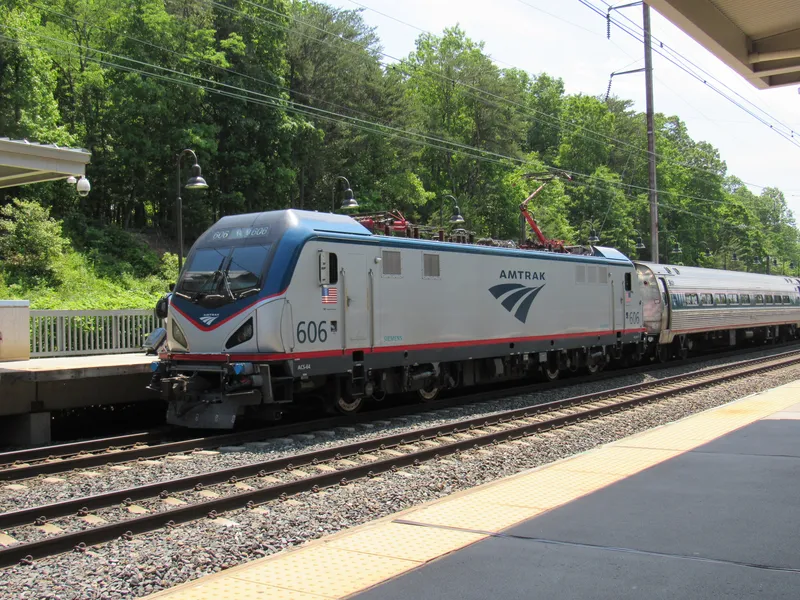
BWI Airport to Washington, D.C.
How to get from Baltimore/Washington International (BWI) into Washington, D.C. — the MARC and Amtrak trains via the BWI rail station, the free terminal shuttle, taxis and rideshare, and an honest look at whether BWI is the right airport for a DC trip.
Read guide
Capitol & White House Tour Planning
How official tours of the two most famous buildings in Washington actually work — the request windows, who to ask, the security to expect, realistic odds, and the strong free backups if a tour doesn't come through.
Read guide
Dulles Airport to Washington, D.C.
How to get from Dulles International Airport (IAD) into Washington, D.C. — the Silver Line Metro, the Washington Flyer and 5A-style buses, taxis and rideshare, and the honest tradeoffs by time of day, budget and where your hotel sits.
Read guide
How to Get Around Washington, D.C.
A clear, realistic answer to how to get around Washington, D.C. without a car — when to simply walk, when the Metro is fastest, where buses fill the gaps, when a taxi or rideshare earns its fare, and how bikes and tour buses fit in. Plain trade-offs for a city built to be crossed on foot and by rail.
Read guide