
Is Washington, D.C. Safe for Tourists?
An honest, practical answer to whether Washington, D.C. is safe for visitors — what the tourist core is actually like, how the Metro and monuments feel day and night, sensible advice for families and solo travelers, what to know about protests and demonstrations, and the heat that is the season's real risk.

- ✓The tourist core — the Mall, the museums, the monuments — is busy, heavily patrolled and broadly safe by day and into the evening.
- ✓Use ordinary big-city street sense: mind your belongings in crowds, stay aware on the Metro late at night, and keep to well-lit, populated routes after dark.
- ✓Conditions vary by neighbourhood and by hour; a lively nightlife strip and a quiet residential block ask for different awareness.
- ✓Protests and demonstrations are a normal part of the capital — usually peaceful and easy to walk around if you prefer.
- ✓In summer, heat and humidity are a more realistic risk to most visitors than crime — hydrate and pace yourself.
The short, honest answer
Washington is, for the great majority of visitors who stay around the sights, a safe and easy city. The places you have come to see — the National Mall, the Smithsonian museums, the monuments, the major neighbourhoods — are busy, public and visibly patrolled, with a noticeable federal and park police presence around the core. Millions of people, including countless families and school groups, visit every year without incident. The sensible mindset is not fear but the same everyday street awareness you would bring to any large city.
That said, Washington is a real city, not a theme park, and conditions vary by area and by time of day. A few minutes' walk can take you from a packed tourist strip to a quiet residential block, and a corridor that is lively and friendly at dinner has a different feel at 2am. None of this is unusual for a major capital; it just means matching your awareness to where you are and when. The questions below cover the situations visitors actually ask about.


Common safety questions about visiting DC
Is the National Mall safe? Yes — by day it is one of the safest, most public spaces in the country, full of visitors and patrolled by park and federal police. In the evening the headline monuments stay lit and open and remain popular, so a sunset or after-dark monument visit is a normal, well-trodden plan; simply stick to the lit, populated paths and the company of other visitors rather than wandering off into dark, empty stretches.
Is the Metro safe? For everyday daytime and evening travel, yes — it is the way most visitors get around and is well used. The usual big-city rules apply: keep your phone and bag close, stay aware of your surroundings late at night, and pick a busier car if a platform or train is nearly empty in the small hours. The system runs less frequently late and closes overnight, so check last-train times; for a late night out, a taxi or rideshare is often the simpler call.
Is DC safe at night and for nightlife? The popular going-out areas are busy and social well into the evening, and travelling between them on the Metro or by rideshare is routine. As anywhere, the late-night hours ask for more care: stay with your group, keep an eye on your drink and belongings, and plan how you are getting home before you are tired. Lively strips are fine; it is the quiet, deserted blocks in between that warrant the usual caution.
Is DC safe for solo travellers and women? Plenty of people visit Washington alone comfortably, and the tourist core is well suited to it — public, walkable and well connected. The standard solo-travel habits cover most of it: share your rough plans with someone, keep to well-lit and populated routes after dark, trust your instincts about a street or a situation, and favour a rideshare over a long late-night walk through unfamiliar, empty areas.
Is DC safe for families and kids? Very much so for the things families come for — the museums, the Mall, the Zoo, the monuments are all designed for crowds and children. The realistic family 'safety' issues are mundane ones: agree a meeting point in case anyone gets separated in a big museum, keep small children close in dense crowds at peak season, and manage heat and tiredness, which derail more family days than anything sinister.
What about protests and demonstrations? Washington is the nation's protest capital, so marches, rallies and demonstrations are a routine part of the city and usually peaceful. If you would rather avoid one, they are easy to walk around, and large planned events are often known in advance. Use common sense around any large gathering, follow the directions of police on the ground, and you can simply give it a wide berth and carry on with your day.
What is the real risk in summer? For most visitors, heat — not crime — is the genuine hazard of a DC trip. The summer is hot and very humid, the open Mall offers little shade, and heat exhaustion sneaks up on people pushing through a full day of walking. Drink far more water than you think you need, refill at the Mall fountains, take air-conditioned breaks in the free museums during the worst of the afternoon, and watch children and older travellers for the early signs of overheating.
Which neighbourhoods should I think about? The simplest rule is the universal one: the difference is rarely the neighbourhood itself but the block and the hour. The well-trodden visitor areas — the Mall, Penn Quarter, Dupont, Georgetown, Capitol Hill, the going-out corridors — are busy and easy to enjoy with normal awareness. Conditions are not uniform across the whole city, so if you wander well off the tourist routes, especially late and alone, apply the same caution you would in any large city: stick to lit, populated streets, keep your phone handy for a ride, and trust your read of a place.
What should I do if something goes wrong? Keep it simple and prepared. Know that you can reach emergency services if you ever need them, keep a charged phone and a way to summon a ride, note your hotel address with its quadrant suffix (NW, NE, SW, SE) since DC addresses repeat across all four, and keep digital copies of key documents. The overwhelming likelihood is that you will never need any of it — but a little preparation is what lets you relax into the trip.
At a glance: a sensible safety mindset
The whole approach in one card. Conditions change by area and hour, so use judgement and check current local guidance before you travel.
- Tourist core (Mall, museums, monuments): broadly safe day and evening; stick to lit, populated paths after dark.
- Metro: fine for normal travel; ordinary awareness late at night, and check last-train times.
- Nightlife: stay with your group, mind drinks and belongings, plan your ride home in advance.
- Families: agree a meeting point, keep children close in crowds, manage heat and tiredness.
- Summer: treat heat and dehydration as the real risk — water, shade and museum breaks.

Related guides

Washington, D.C. for First-Timers
A first visit to Washington, D.C., explained without the panic — how much time to allow, what to book ahead, the mistakes that cost first-timers a day, and how to structure a trip around the National Mall so the capital feels grand instead of exhausting.
Read guide
Washington, D.C. Monuments by Night
An atmospheric, sensible evening route through Washington's floodlit memorials — the Lincoln, the war memorials, the Tidal Basin loop and the Washington Monument — with self-guided and guided-tour options, and honest safety advice.
Read guide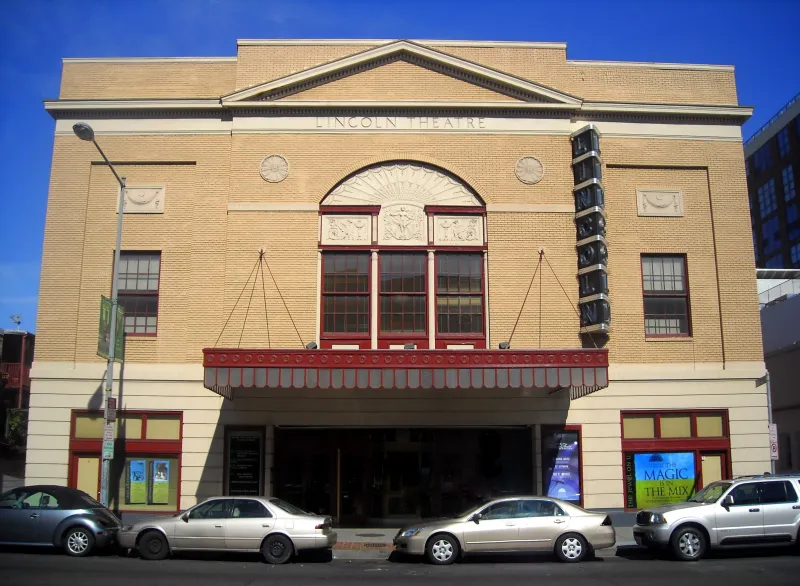
Adams Morgan & U Street Nightlife
How to have a great night out in Washington, D.C. — comparing the two big going-out districts, Adams Morgan and the U Street / Shaw corridor: live music and jazz, cocktail bars and dives, rooftops, late-night food, and how to get home safely by Metro, bus and ride-hail.
Read guideMore in Travel Tips
6
Accessible Washington, D.C.
How to visit Washington with mobility, distance or stamina in mind — the step-free Metro, the largely flat but very long Mall, accessible museums and memorials, taxis and rideshare, and ways to build a low-walking plan that still reaches the city's best places.
Read guide
Are Washington, D.C. Passes Worth It?
An honest look at whether a bundled DC attraction pass saves you money — why a city built on free museums and monuments changes the maths, and the short list of paid sights where a pass or a single ticket actually helps.
Read guide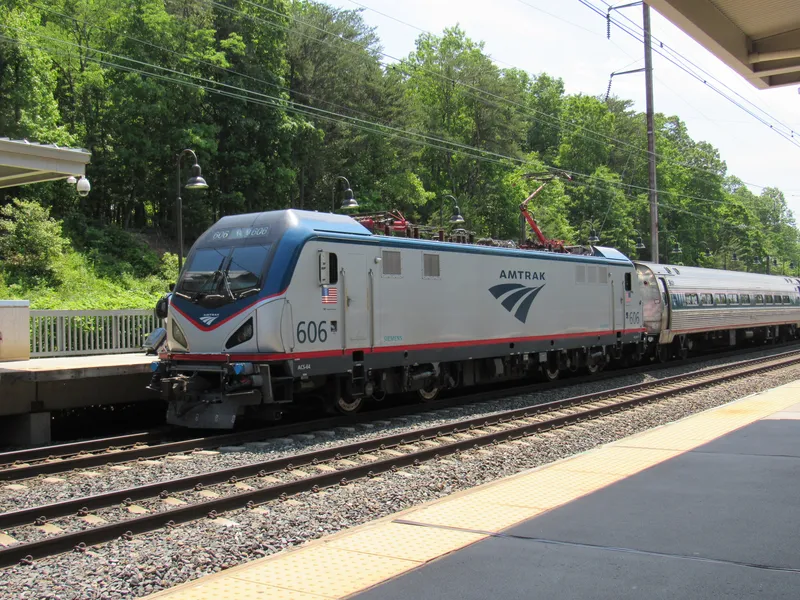
BWI Airport to Washington, D.C.
How to get from Baltimore/Washington International (BWI) into Washington, D.C. — the MARC and Amtrak trains via the BWI rail station, the free terminal shuttle, taxis and rideshare, and an honest look at whether BWI is the right airport for a DC trip.
Read guide
Capitol & White House Tour Planning
How official tours of the two most famous buildings in Washington actually work — the request windows, who to ask, the security to expect, realistic odds, and the strong free backups if a tour doesn't come through.
Read guide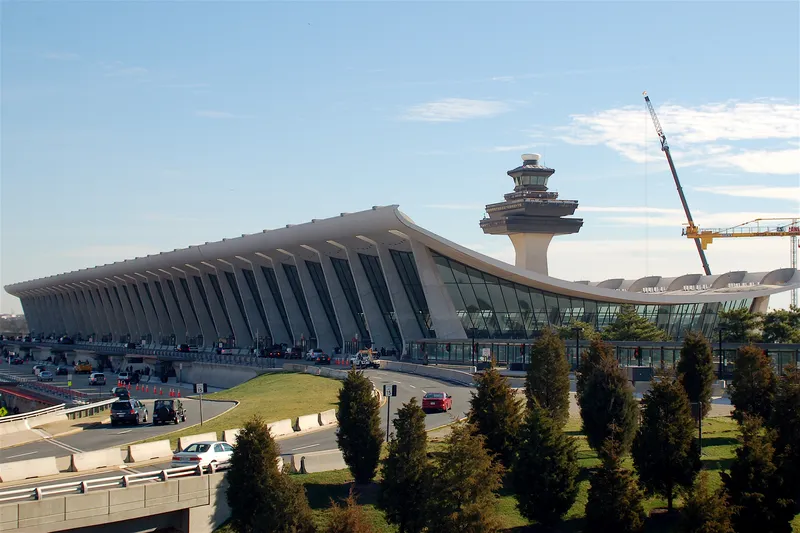
Dulles Airport to Washington, D.C.
How to get from Dulles International Airport (IAD) into Washington, D.C. — the Silver Line Metro, the Washington Flyer and 5A-style buses, taxis and rideshare, and the honest tradeoffs by time of day, budget and where your hotel sits.
Read guide
How to Get Around Washington, D.C.
A clear, realistic answer to how to get around Washington, D.C. without a car — when to simply walk, when the Metro is fastest, where buses fill the gaps, when a taxi or rideshare earns its fare, and how bikes and tour buses fit in. Plain trade-offs for a city built to be crossed on foot and by rail.
Read guide