
Best Things to Do in Washington, D.C.
A ranked first-trip shortlist of the best things to do in Washington, D.C. — from the National Mall and the free Smithsonian museums to a Capitol tour, the Tidal Basin and Georgetown — built so you can pick a handful and still feel you saw the city.

Photo: Harrison Mitchell / Unsplash
- ✓If you only do one thing, walk the National Mall from the Lincoln Memorial to the Washington Monument.
- ✓The free Smithsonian museums are the city's signature — choose two or three, not all of them.
- ✓A Capitol tour is the most rewarding government visit and only needs a free pass booked ahead.
- ✓Save the monuments for after dark at least once — lit, quiet and unforgettable.
- ✓In late March and early April, the cherry blossoms around the Tidal Basin top every list.
How this shortlist works
Washington has more 'must-sees' than any sane trip can hold, so this is not a list of everything — it is a ranked shortlist of the things first-time visitors are most glad they did. The order roughly follows how essential each is to understanding the city, but the better way to use it is to pick the five or six that suit you, slot them into a loose day plan, and let the rest go. Everything here is genuinely worth your time; nothing here is worth exhausting yourself for.
A note on cost: most of the best things to do in DC are free. The monuments, the Mall, the Smithsonian museums and the National Gallery all cost nothing, which means the real currency of a DC trip is energy and time, not money. Spend both deliberately.
One more framing that helps: alternate the marble and the museums. The monuments are outdoor, walkable and at their best at the edges of the day; the museums are indoor, vast and best in the middle, out of the heat. People who stack all the indoor sights together, or all the walking together, burn out by mid-afternoon. People who alternate them see far more and enjoy it.


1. Walk the National Mall
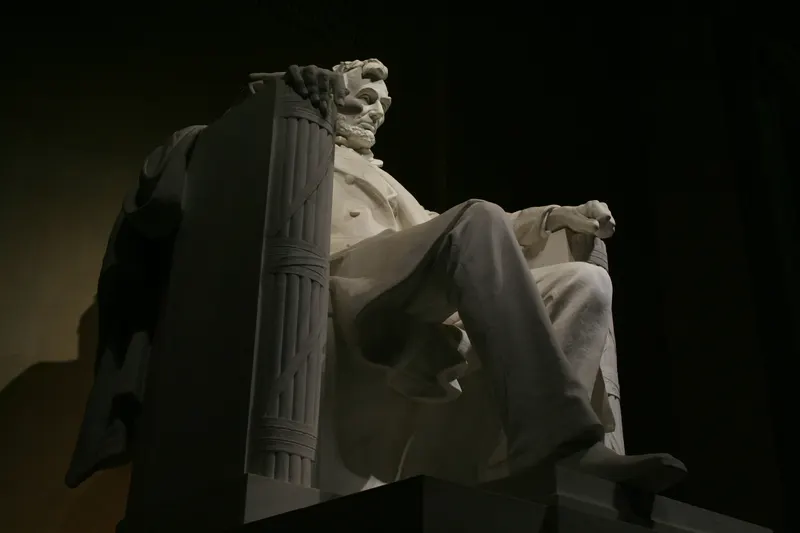
Nothing else explains Washington as fast as walking the Mall. Start at the Lincoln Memorial, climb the steps to the seated marble Lincoln, then turn and look east down the Reflecting Pool to the Washington Monument and, beyond it, the Capitol dome two miles away. This single sightline is the city's whole argument made visible, and standing in it for the first time is the moment most visitors fall for DC.
Walk the axis at the cool edges of the day. The lawn is wide open, there is little shade, and summer here is genuinely hot and humid, so a sunrise or late-afternoon walk beats midday every time. There is no ticket and no schedule — just a direction.
Along the way you pass the war memorials gathered close at the western end: the World War II Memorial at the foot of the Reflecting Pool, the Vietnam Veterans Memorial Wall cut quietly into the north lawn, and the Korean War Veterans Memorial to the south. You can fold all of them into the same walk, which is why the Lincoln-to-Monument stretch is the single most efficient hour in the city — four or five major sights, all free, all on one line of sight.
2. Choose two or three Smithsonian museums
The free Smithsonian museums are the reason many people come to DC, and the reason many people leave exhausted. The fix is discipline: choose two or three, not a marathon. The National Air and Space Museum (mid-renovation, with free timed-entry passes — verify) holds the icons of flight; the National Museum of Natural History has the dinosaurs and the Hope Diamond; the National Museum of American History keeps the original Star-Spangled Banner; and the National Museum of African American History and Culture is, for many, the single most moving building in the city.
Pick by interest and by who you're travelling with, see a few specific things in each, and walk back out. The museums are free and they will still be here next time, so there is nothing to prove by staying until closing.
A quick way to choose: families with younger children tend to do best with Natural History and Air and Space; travellers drawn to American story and identity gravitate to American History and African American History; art lovers should fold in the National Gallery of Art, which is also free and just across the lawn. Whichever you pick, check whether it uses free timed-entry passes before you go (Air and Space and African American History are the usual ones), and aim to arrive at opening or in the last couple of hours, when the big halls are at their calmest.
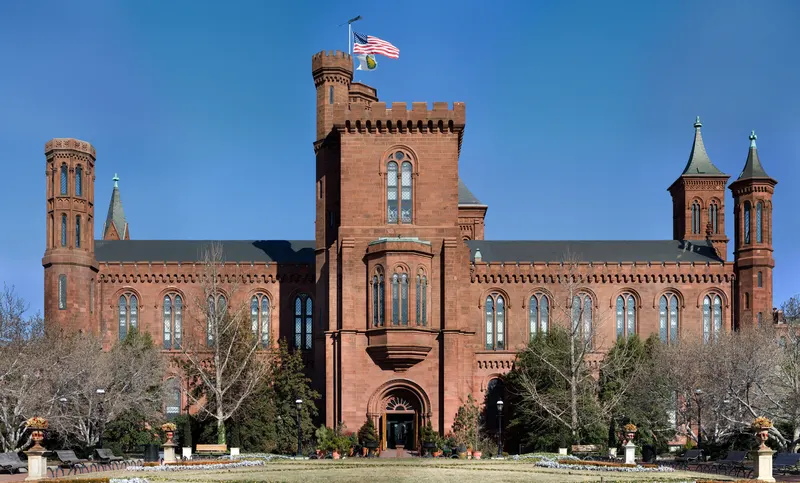
3. Take a Capitol tour
Of all the government buildings open to visitors, the United States Capitol is the most rewarding and the easiest to arrange. Free guided tours leave from the underground Capitol Visitor Center and take you through the soaring Rotunda, under the dome, and into National Statuary Hall. You can reserve a pass online in advance; U.S. residents can also book through their senator or representative, sometimes with gallery access.
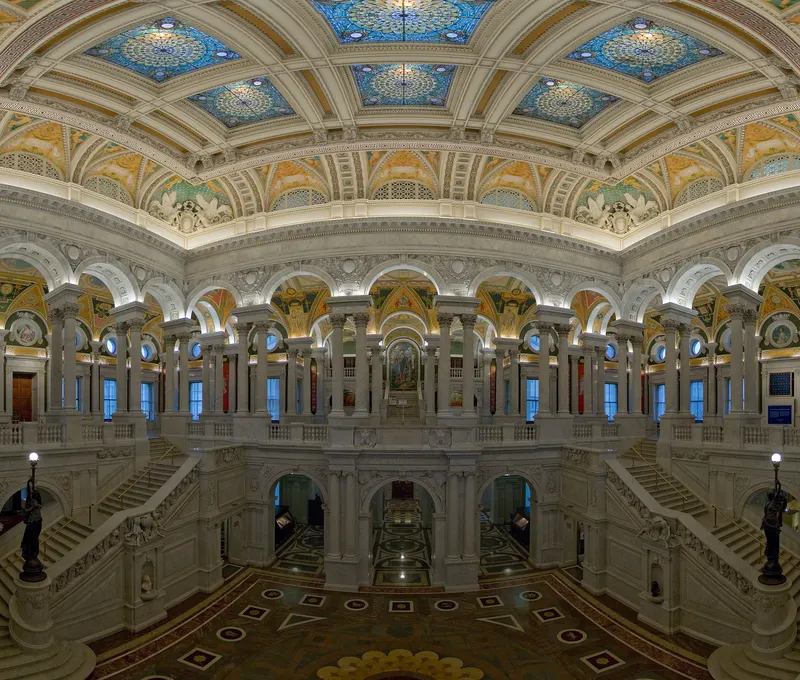
Pair it with Capitol Hill's other two giants. The Library of Congress's Thomas Jefferson Building is one of the most beautiful interiors in America, and the Supreme Court sits across the street — both visitable, both an easy add to the same morning.
4. See the monuments after dark
If you do one thing that separates a good DC trip from a great one, make it the monuments at night. Most of the Mall's memorials never close and are floodlit after dark, and the difference is total: the daytime crowds are gone, the marble glows, and the Lincoln Memorial looking back down a black-and-gold Reflecting Pool is one of the most moving sights in the country.
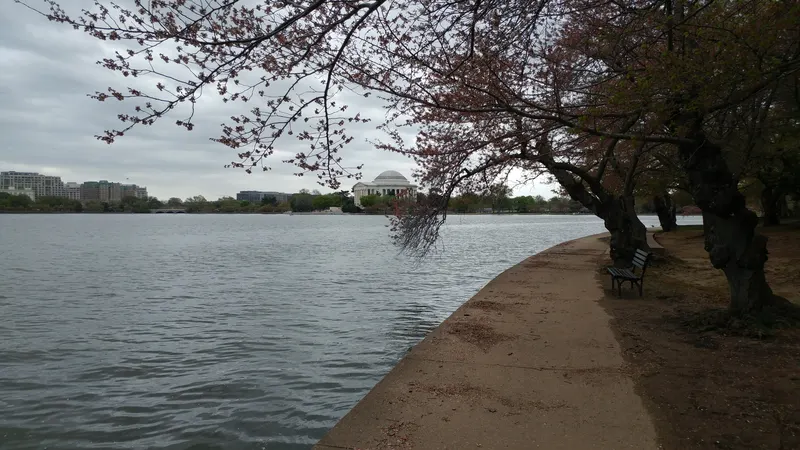
A loop of the Tidal Basin at blue hour — the Jefferson Memorial mirrored in the water, the MLK and FDR memorials quiet and lit — is the romantic equal of any evening in any capital, and it costs nothing. If you'd rather not navigate in the dark, a night monuments tour by bike or trolley covers the ground for you.
Practically, the monuments are well-lit and well-travelled in the core after dark, but it is still a large open park, so stick to the busy paths and keep your group together. The reward is worth the small care: the west-end memorials — Lincoln, Vietnam, Korean War, World War II — sit close enough to walk as a single evening loop, and the Korean War Veterans Memorial in particular, its steel soldiers caught in the floodlights, is far more affecting at night than by day.

5. Stand before the founding documents
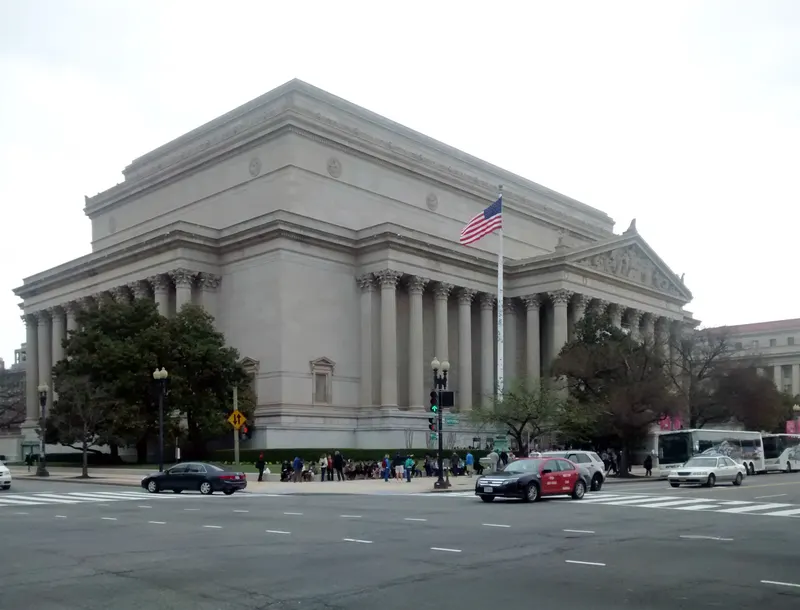
The National Archives lets you stand a few feet from the original Declaration of Independence, the Constitution and the Bill of Rights, displayed together in the Rotunda for the Charters of Freedom. It is a short, concentrated visit with real weight to it, and a good counterpoint to the sprawling Smithsonian halls. Timed-entry tickets help skip the line in busy seasons (verify current ticketing).
It sits in the heart of the Penn Quarter / downtown cluster, so it pairs naturally with the National Portrait Gallery, Ford's Theatre or a lunch in one of the city's liveliest restaurant districts.
What makes the Archives land is the framing. After a day of marble and grand halls, here are the actual sheets of parchment on which the country was argued into being — faded, fragile, and far smaller than you expect. There is a quiet, almost church-like hush in the Rotunda that does more to convey the weight of the founding than any monument outside. Give it twenty unhurried minutes and let the rest of the museum's records-of-America exhibits fill out the visit.
6. Catch the cherry blossoms (in season)
If your trip lands in late March or early April, the cherry blossoms around the Tidal Basin top every list in this city. The original trees were a 1912 gift from Tokyo, and their descendants now ring the water in a week or so of pink that draws over a million people. Peak bloom shifts every year with the weather — the National Park Service tracks it through six named stages and revises its forecast weekly — so treat any date as guidance and go at dawn to beat the crowds.
Out of season the same loop is still one of the best walks in DC, just without the blossoms: the Jefferson, FDR and MLK memorials all sit on the Tidal Basin, and the paddle boats run in warmer months.

7. Spend an afternoon in Georgetown
When the federal city starts to feel like all business, Georgetown is the antidote — the oldest neighbourhood in DC, with cobbled streets, federal-era row houses, a busy main drag of shops and cafés, and a waterfront on the Potomac. The leafy C&O Canal towpath runs right through it, a quiet, level walk away from the crowds, and the views back across the river at sunset are some of the best in the city.
Georgetown has no Metro stop of its own, which is its one catch; plan a short walk from Foggy Bottom, a bus, or a rideshare. Go for the late afternoon and stay for dinner.
The neighbourhood rewards wandering more than ticking off a list. Browse the shops and bookstores along M Street and Wisconsin Avenue, drop down to the Georgetown Waterfront Park for the river and the views of Rosslyn across the water, then peel off onto the C&O Canal towpath, where the noise of the city falls away within a block. Tuck in a stop for a famous Georgetown cupcake or a coffee on a side street, and you have the rare DC afternoon that has nothing to do with politics at all.

8. Eat the city, not just the Mall
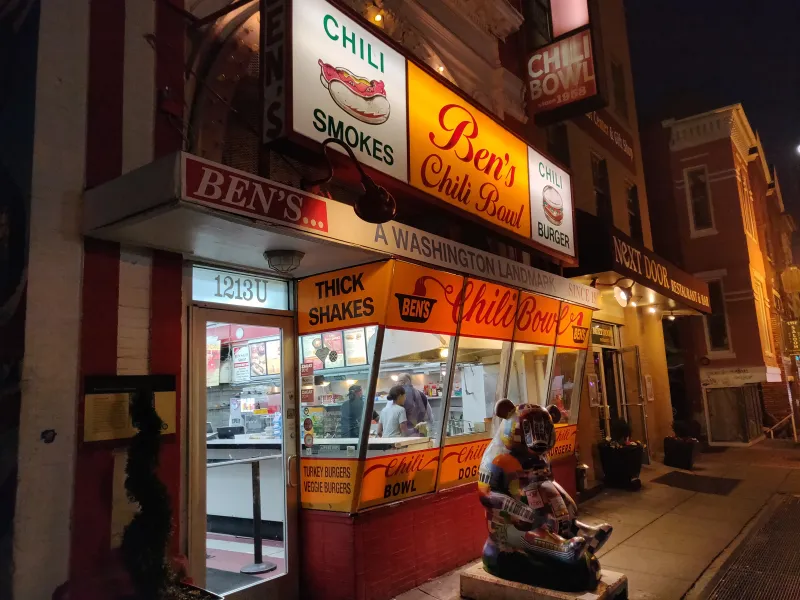
Food on the Mall itself is mostly forgettable cafeteria fare, so the best move is to see the monuments by day and eat in the neighbourhoods by night. Start with the half-smoke, DC's own coarse, smoky sausage, classically at Ben's Chili Bowl on U Street. Range out to the Ethiopian restaurants of Shaw — one of the largest such scenes in the country — the weekend stalls of Eastern Market on Capitol Hill, the food halls at Union Market and The Wharf, and the rooftop bars downtown, a few of which frame the Washington Monument over your drink.
Eating well in DC is part of seeing it. The food maps onto the neighbourhoods, and the neighbourhoods are where the city actually lives once the offices empty out.
If you want a single food memory to anchor the trip, make it Chesapeake: this is crab country, and a plate of blue crab or a crab cake somewhere with a water view — at The Wharf, in Old Town Alexandria, or out toward Annapolis — is as regional as the half-smoke. Pair it with the city's strong cocktail and rooftop-bar scene downtown and along 14th Street, and you have evenings that hold their own against the monuments.
9. Add one neighbourhood or day trip
Once the headline sights are done, the thing that turns a sightseeing trip into a real visit is one stop that isn't on the Mall. Inside the city, that might be the National Zoo, the Washington National Cathedral, or a stroll around Dupont Circle's Embassy Row and bookshops. Just outside it, Arlington National Cemetery — solemn, vast and moving, with the Tomb of the Unknown Soldier and the Kennedy graves — is a short Metro ride across the river.
With a spare day, the easy escapes are genuinely good: Old Town Alexandria's cobbled riverfront is barely a Metro ride away, Mount Vernon gives you George Washington's estate down the Potomac, and Annapolis trades the federal city for a working harbour an hour out.

10. Visit a working part of government
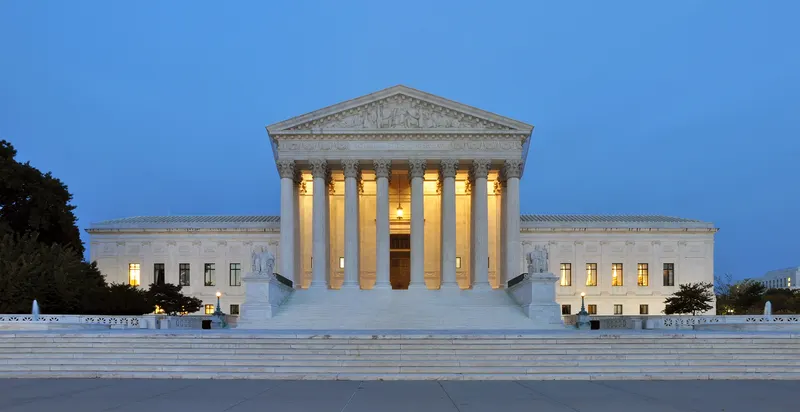
Beyond the Capitol, Washington lets you walk into the institutions you read about — and doing so is one of the things travellers remember most. The Library of Congress's Thomas Jefferson Building is a riot of mosaic, marble and gold leaf, with a balcony view over the Main Reading Room that ranks among the most beautiful interiors in the country; timed-entry passes help in busy periods (verify). The Supreme Court, across the street, opens to visitors and offers courtroom lectures when the Court is not in session.
The White House is the hardest ticket in town — public tours must be requested far in advance, U.S. citizens through a member of Congress and foreign visitors through their embassy — so most people settle for the excellent (and open-to-all) White House Visitor Center and the classic view across Lafayette Square or from the Ellipse. Whichever you choose, the thrill is the same: standing inside the machinery of the republic, not just looking at it from outside.

11. Find the quieter, greener side
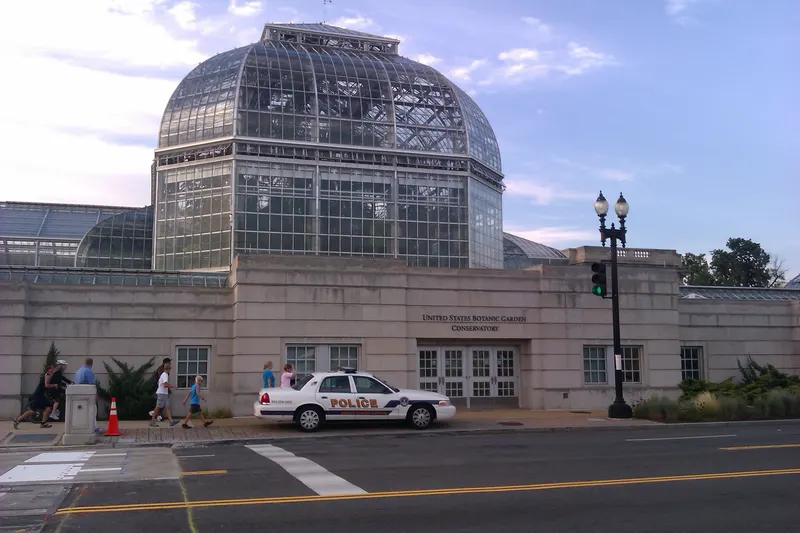
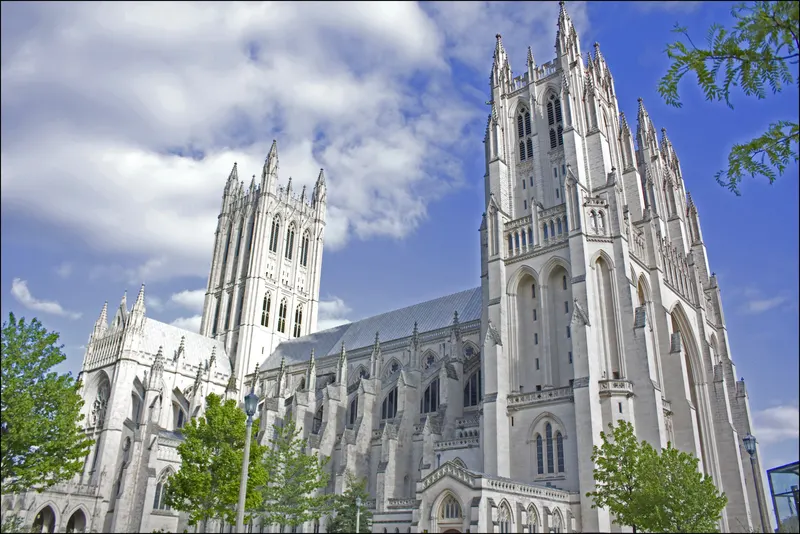
Not everything worth doing in DC is monumental. The United States Botanic Garden beside the Capitol is a free glasshouse jungle and a perfect rainy-day refuge; the Smithsonian's National Zoo (free, with entry passes — verify) climbs a wooded hillside in Rock Creek Park; and the Washington National Cathedral, up in the northwest, rewards the detour with soaring Gothic vaults, gardens and a tower view. Rock Creek Park itself threads genuine woodland right through the middle of the city.
These are the stops that turn a sightseeing checklist into a real visit — the places where you catch your breath, sit on a bench, and remember you are in a city people actually live in, not just a stage set of marble. Slot one into an afternoon when the museums have started to blur.
12. See the city from the water or two wheels
Most visitors only ever see Washington at walking pace from the lawn, but a change of vantage resets the whole trip. The Potomac gives the city a different face: a sightseeing cruise or a water-taxi hop down to the Wharf, over to Georgetown's waterfront or across to Old Town Alexandria lets you watch the monuments slide past from the river, and turns transport into an outing. On a hot day it is also a breeze off the water when the Mall is shimmering, and at dusk it is one of the loveliest ways to end an evening.
On land, two wheels cover the flat, monument-dense core far faster than your feet. The region's bike-share system has docks all along the Mall and the waterfronts, and a guided monuments bike tour is a genuinely efficient way to see the western memorials and the Tidal Basin in a single circuit without the long walks between them. Cycling the riverside trails out toward Georgetown or across to Arlington adds a quiet, green half-day that most visitors never find. Either way, swapping the lawn for the water or the saddle is the easiest way to make a familiar city feel new.


Putting it together
A first-time visitor with two days can comfortably do the Mall and its monuments, two museums, a Capitol tour and an evening of monuments by night — and still eat a proper dinner off the lawn. A third day buys a neighbourhood, the Tidal Basin, or a trip across the river. The mistake almost everyone makes is trying to add more; the visitors who love DC most are the ones who chose a handful from this list and gave each of them room.
Whatever you pick, anchor your days around the Metro and a base near it, alternate indoor museums with outdoor monuments, and keep one evening free for the lit-up Mall. Do that, and even a short trip will feel like you saw the city rather than just ticked it off.
And remember what is genuinely worth booking ahead, because almost nothing else on this list needs it: a free Capitol tour pass, a White House tour request well in advance, and the free timed-entry passes for Air and Space and the African American History museum. Sort those before you arrive, double-check any volatile hours or ticketing on the official sites close to your trip, and leave the rest of your time loose enough to wander. The best things to do in Washington reward the unhurried, and the city is generous enough that you can do very little and still come home feeling you saw the heart of it.



Related guides

Things to Do in Washington, D.C.
The complete hub for things to do in Washington, D.C. — the National Mall monuments, the free Smithsonian museums, government tours, viewpoints, family attractions and the best guided tours, with a calm plan for fitting them together.
Read guide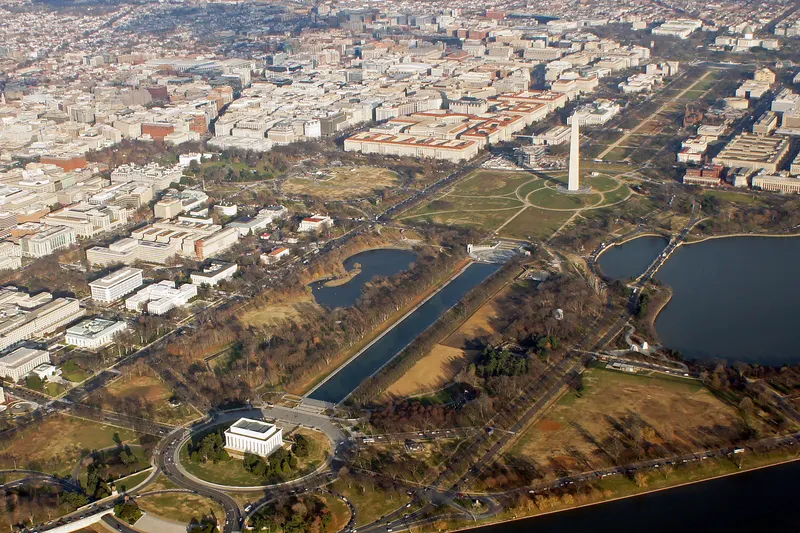
National Mall Guide, Washington, D.C.
How to plan the National Mall by section — the real walking distances, where the monuments and museum stops sit, and where to find shade, food, bathrooms, the nearest Metro and the best night routes.
Read guide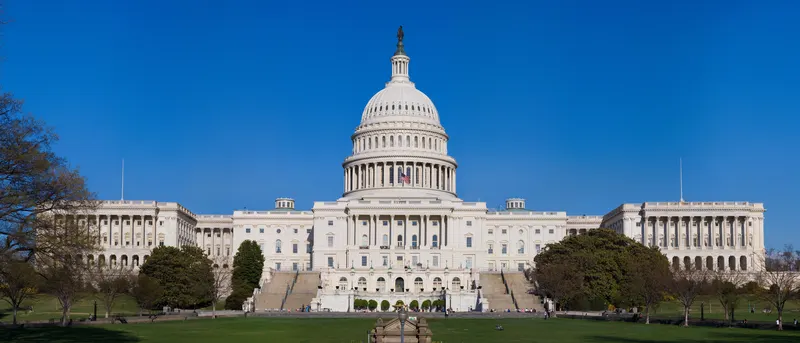
U.S. Capitol Tour Guide
How to tour the United States Capitol — booking a free pass through the Capitol Visitor Center or your member of Congress, what the guided tour covers (the Rotunda, the old Hall, the Crypt), how to clear security, and how to add the Library of Congress and a House or Senate gallery visit.
Read guideMore in Things to Do
6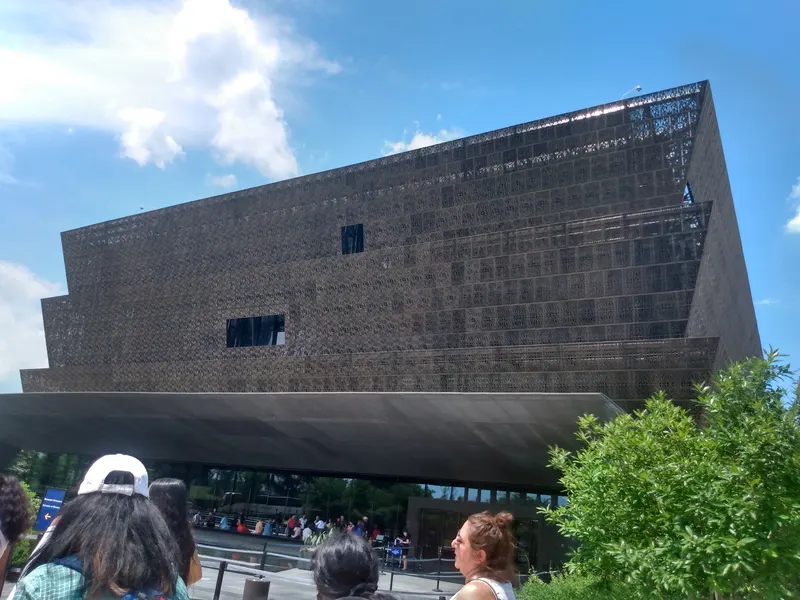
African American History Museum Guide
How to visit the National Museum of African American History & Culture on the Mall — the free timed-entry passes and how to get one, the deep underground history galleries, Sweet Home Café, the lines, how to pace an emotionally heavy visit, and the walk along the Mall.
Read guide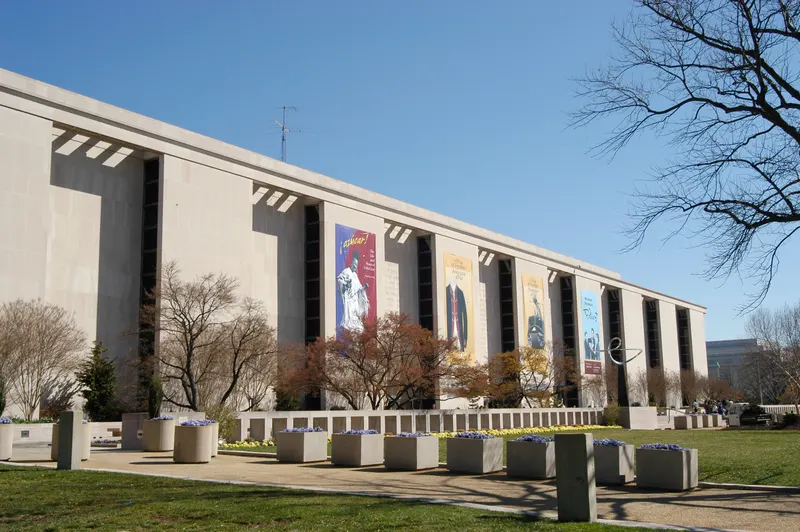
American History Museum Guide
How to visit the National Museum of American History on the Mall — the original Star-Spangled Banner, the First Ladies' gowns, the American presidency, the pop-culture icons, the food-court logistics, and how to time a visit around the school groups.
Read guide
Best Museums in Washington, D.C.
Washington has more world-class museums than any sane trip can hold, and almost all of them are free. This is a guide to the best museums in DC sorted by topic, age, ticket needs, location and rainy-day value — so you can choose two or three with confidence instead of trying to see them all.
Read guide
Best Photography Spots in Washington, D.C.
Where to make great photographs in Washington — the monument reflections, the Tidal Basin blossoms, the Capitol and Lincoln axis, Georgetown's waterfront, hidden rooftops and the golden-hour and blue-hour routes that tie them together.
Read guide
Best Viewpoints in Washington, D.C.
Where to find the best views in Washington — the high monuments and free towers, the rooftop bars and cultural terraces, and the river and hilltop overlooks across the Potomac, ranked by how much effort each one asks.
Read guide
Best Washington, D.C. Tours
When a tour is genuinely worth it in Washington and when the city is better free and self-guided — monument night tours, bike and Segway loops, food and neighbourhood walks, official Capitol and government-building tours, and the day trips that need a coach.
Read guide