
African American History Museum Guide
How to visit the National Museum of African American History & Culture on the Mall — the free timed-entry passes and how to get one, the deep underground history galleries, Sweet Home Café, the lines, how to pace an emotionally heavy visit, and the walk along the Mall.
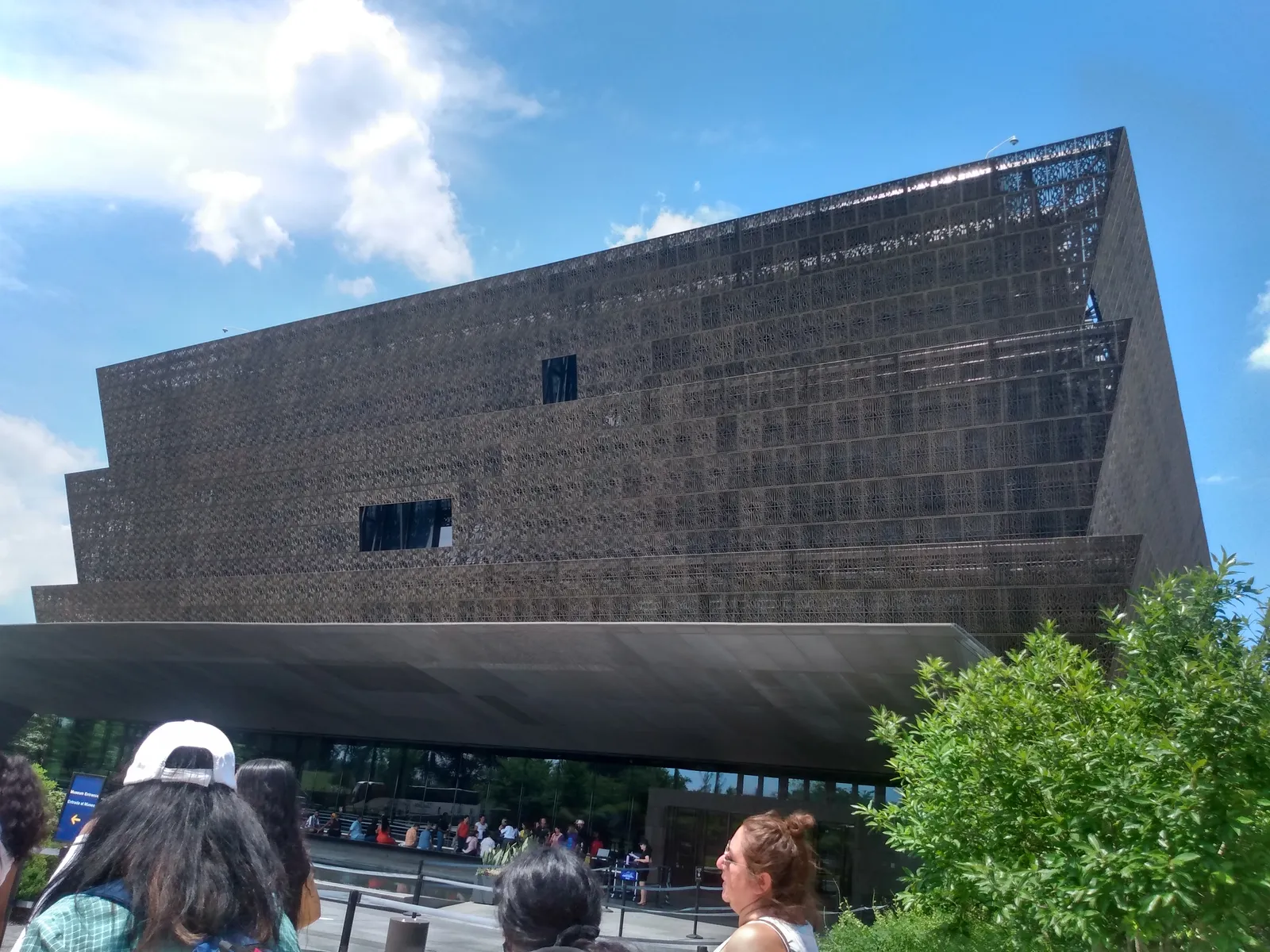
Photo: DestinationFearFan / Wikimedia Commons · CC BY-SA 4.0
- ✓Admission is free, but the museum uses free timed-entry passes — reserve online ahead, as they can go quickly in peak season.
- ✓The history galleries begin deep underground at the slave trade and rise through the centuries to the present — powerful, and deliberately slow.
- ✓Sweet Home Café serves regional African American cooking and is a destination in its own right.
- ✓Budget three hours or more — the history galleries alone are vast, and the subject matter asks for time, not speed.
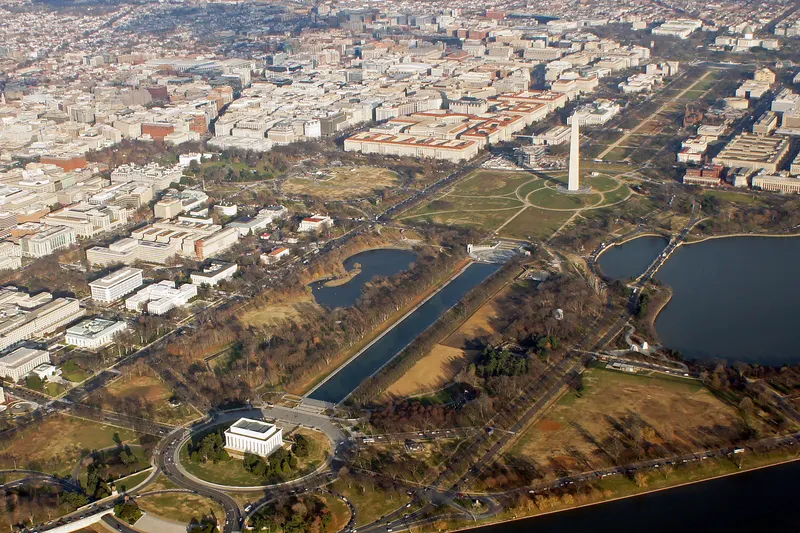
- ✓The building stands apart at the Mall's western end, near the Washington Monument — an easy walk from the monuments.
The newest, and one of the most powerful
The National Museum of African American History & Culture is the youngest of the Smithsonian's Mall museums and, for many visitors, the most affecting. Opened in 2016, its bronze-coloured, three-tiered 'Corona' — inspired by West African and African American design traditions — stands out among the marble and limestone of the Mall, a building that announces itself before you reach the door. Inside, it tells the American story through the African American experience, from the brutal beginnings of the transatlantic slave trade to the cultural triumphs of the present day.
It is a free museum, but it is unlike the others in tone and structure. Where Natural History dazzles and Air & Space soars, this museum moves you — it is built to be felt as much as seen, and it asks for a different kind of visit: slower, quieter, and with room to absorb difficult history. It is also one of the few Smithsonian museums that uses free timed-entry passes, so a little planning ahead is essential.

Free timed-entry passes — and how to get one
Admission is free, like every Smithsonian museum, but this is one of the few that uses free timed-entry passes, and securing one before you arrive is the single most important piece of planning for the visit. The pass costs nothing — it simply guarantees you entry at a set time — but the museum's popularity means passes can be claimed well ahead in peak season, and turning up without one often means relying on a limited pool of same-day passes that can run out early.
Reserve online the moment your dates are firm. The museum typically releases timed-entry passes in advance, and may also offer a small number of same-day passes online in the morning for those without an advance booking — but treat the same-day option as a gamble, not a plan. Because the pass system is adjusted from season to season, check the official visit page close to your trip for the current rules, the release schedule and the day's hours. As at every federal building on the Mall, you clear airport-style security at the door, so travel light and allow time for the line even with a pass in hand.
- Admission is free; free timed-entry passes are required — reserve online ahead.
- Passes can go quickly in peak season — book as soon as your dates are set.
- A limited number of same-day passes may be released online in the morning — a gamble, not a plan.
- The pass system changes by season — verify the current rules on the official site.
- Airport-style security at the entrance — pack light and allow time for the bag line.
The history galleries
The heart of the museum is its History Galleries, and they are designed to be experienced in sequence, from the bottom up. You descend by a large elevator to the lowest level, deep underground, where the story begins with the transatlantic slave trade and the era of slavery. From there you rise slowly through the levels and through time — segregation and the long struggle for civil rights, and on toward the present — so that the physical climb mirrors the historical one. It is a deliberate, immersive arc, and it is the part of the museum that most rewards unhurried time.
Above the history galleries, the upper floors turn to Community and Culture — the contributions of African Americans in music, sport, the military, the arts and everyday life, told with a lighter, celebratory energy that balances the weight below. The shift in tone is intentional: the museum carries you through hardship and out into achievement. Plan to spend the bulk of your visit in the history galleries, then give the culture floors the time and the mood they deserve rather than rushing them at the end.
- Start at the bottom: the history galleries begin deep underground at the slave trade.
- You rise through time — slavery, segregation, the civil-rights era and toward the present.
- The climb is deliberately immersive and asks for slow, unhurried attention.
- Upper floors (Community and Culture) celebrate music, sport, the military and the arts.
- Spend most of your visit in the history galleries; save energy for the culture floors above.
Sweet Home Café and a break
Sweet Home Café, on the lower level, is one of the best museum restaurants in Washington and a genuine part of the experience. It serves regional African American cooking drawn from across the country — the food traditions woven through the museum's story made edible — and it is worth timing your visit so you can eat here rather than treating lunch as an afterthought. Expect a busy room at the lunch rush and standard café prices; arriving a little before or after the peak makes for a calmer meal.
The café is also more than a meal — it is a natural and welcome pause in an emotionally heavy day. After the descent through the history galleries, sitting down with a plate of regional food is a gentle way to process what you've seen before moving up to the culture floors. Bring a refillable water bottle for the rest of the visit; the galleries are absorbing and it is easy to lose track of how long you've been on your feet.
Lines, emotional pacing and the Mall route
This is not a museum to rush, and pacing matters more here than at any other on the Mall. The history galleries are dense, often sombre, and emotionally demanding — visitors regularly find them moving in ways they didn't expect. Budget three hours or more, build in the pause at Sweet Home Café, and give yourself permission to sit, to skip a panel, or to step into the quieter contemplative spaces the museum provides. There is no prize for seeing every display; the museum is free, and you can always return.
On lines: even with a timed-entry pass you may queue briefly at security at your slot, so arrive a few minutes early and travel light. The museum stands at the western end of the Mall, near the Washington Monument and the start of the path to the Lincoln Memorial — which makes it easy to fold into a Mall day, though the contrast in mood is sharp. A thoughtful route is to visit the museum first, while you're fresh, then walk west through the monuments; pairing it with the nearby Martin Luther King, Jr. Memorial is especially resonant, the museum's history given a face in stone a few minutes away.
- Budget three hours or more — the galleries are dense and ask for slow attention.
- It is emotionally heavy — build in breaks and use the museum's quiet spaces.
- Even with a pass, allow time for the security line at your slot; arrive a few minutes early.
- The museum sits at the Mall's western end near the Washington Monument — easy to fold into a Mall day.
- Pair it with the nearby Martin Luther King, Jr. Memorial for a resonant walk.
Common questions
Is the African American History Museum free? Yes — admission is free, like every Smithsonian museum. It does, however, require a free timed-entry pass reserved online.
Do I need a ticket or pass? Yes — reserve a free timed-entry pass ahead, especially in peak season. A limited number of same-day passes may be released online in the morning, but don't rely on them. Verify the current rules before you go.
How long should I plan? Three hours or more — the history galleries are vast and the subject matter asks for time, not speed.
Where do I start inside? Take the elevator down to the lowest history gallery and work upward through time; the galleries are designed to be seen in that order.
Is there food inside? Yes — Sweet Home Café on the lower level serves regional African American cooking and is a destination in its own right.
Is it suitable for children? Older children and teenagers can find it powerful and educational; younger children may find the history galleries heavy. Pace it to your family.
Related guides

Smithsonian Timed-Entry Passes
Which Smithsonian sites use free timed-entry passes, how the online releases and same-day batches tend to work, and which equally good museums to pivot to if your slot has gone.
Read guide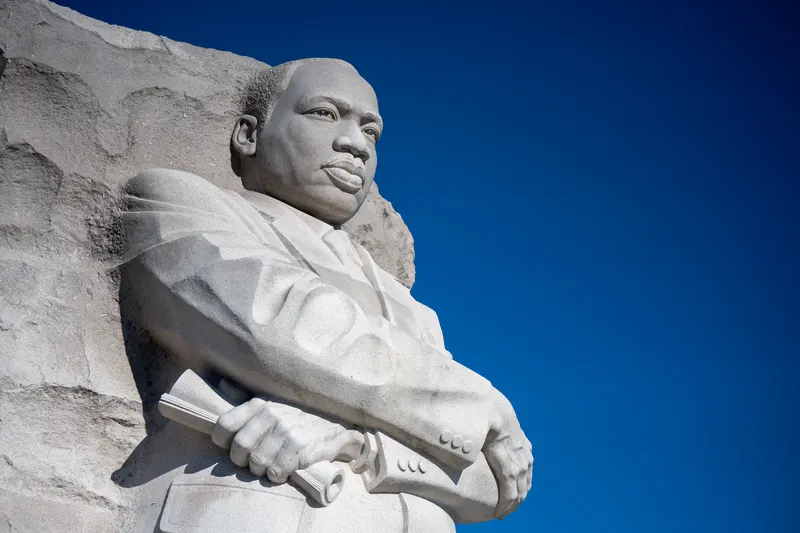
Martin Luther King Jr. Memorial Guide
A respectful guide to the Martin Luther King Jr. Memorial on the Tidal Basin — the Stone of Hope, the inscription wall, what to read, and how to visit it as part of a memorial walk.
Read guide
Washington, D.C. Museums Itinerary
How to plan a museum-heavy day in Washington, D.C. without fatigue, duplicated themes or a missed timed pass — a strategy for pacing the world's densest concentration of free museums. Pick two or three buildings, go deep on a few rooms each, book the passes that need booking, and leave the rest for next time, because the museums are free and trying to 'do' them all is the fastest way to ruin the trip.
Read guideMore in Things to Do
6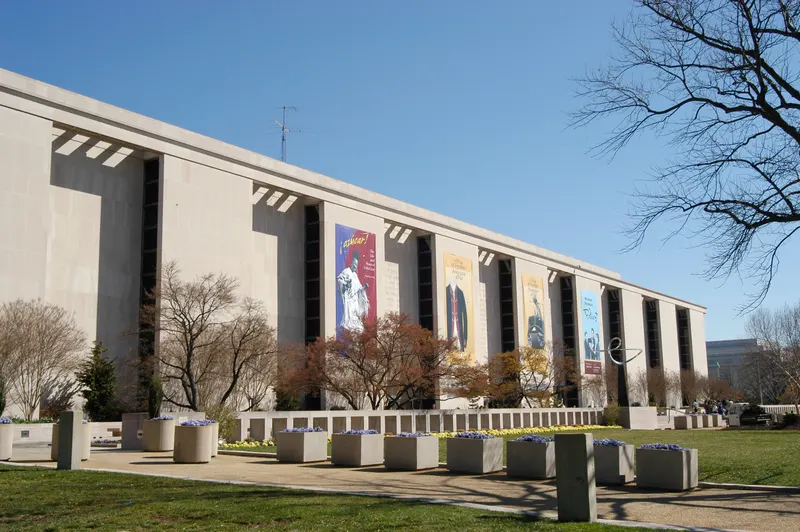
American History Museum Guide
How to visit the National Museum of American History on the Mall — the original Star-Spangled Banner, the First Ladies' gowns, the American presidency, the pop-culture icons, the food-court logistics, and how to time a visit around the school groups.
Read guide
Best Museums in Washington, D.C.
Washington has more world-class museums than any sane trip can hold, and almost all of them are free. This is a guide to the best museums in DC sorted by topic, age, ticket needs, location and rainy-day value — so you can choose two or three with confidence instead of trying to see them all.
Read guide
Best Photography Spots in Washington, D.C.
Where to make great photographs in Washington — the monument reflections, the Tidal Basin blossoms, the Capitol and Lincoln axis, Georgetown's waterfront, hidden rooftops and the golden-hour and blue-hour routes that tie them together.
Read guide
Best Things to Do in Washington, D.C.
A ranked first-trip shortlist of the best things to do in Washington, D.C. — from the National Mall and the free Smithsonian museums to a Capitol tour, the Tidal Basin and Georgetown — built so you can pick a handful and still feel you saw the city.
Read guide
Best Viewpoints in Washington, D.C.
Where to find the best views in Washington — the high monuments and free towers, the rooftop bars and cultural terraces, and the river and hilltop overlooks across the Potomac, ranked by how much effort each one asks.
Read guide
Best Washington, D.C. Tours
When a tour is genuinely worth it in Washington and when the city is better free and self-guided — monument night tours, bike and Segway loops, food and neighbourhood walks, official Capitol and government-building tours, and the day trips that need a coach.
Read guide