
Washington, D.C. in January
What a January trip to Washington is really like — the coldest, quietest, cheapest month, when the monuments stand nearly empty, the free museums are warm and uncrowded, and hotel rates fall to their lowest of the year. Plus the one thing that can flip the script: an inauguration every four years.

Photo: Yohan Marion / Unsplash
- ✓January is the quiet bargain: the coldest month, but the lowest hotel rates of the year and the shortest museum queues you'll ever find in DC.
- ✓The Smithsonian museums and the National Gallery are all free and warm — the perfect anchor for a cold-weather trip built indoors.
- ✓Monuments on the Mall are open year-round and never lovelier than near-empty in winter light; an occasional snow dusting is one of the city's best sights.
- ✓Days are short and the wind cuts across the open Mall — pack a serious coat and plan outdoor stretches for the middle of the day.
- ✓Every four years, the presidential inauguration in mid-to-late January fills downtown hotels and closes large areas — check the calendar before you book.
Why January is the value month
January is the season most travellers skip, which is exactly the argument for coming. With the holiday crowds gone and spring still months away, Washington empties out: hotel rates settle to their lowest of the year, the big museums have no lines, and you can stand inside the Lincoln Memorial or under the Rotunda in a calm that April never allows. If your priorities are space and value over warm weather, no month does better.
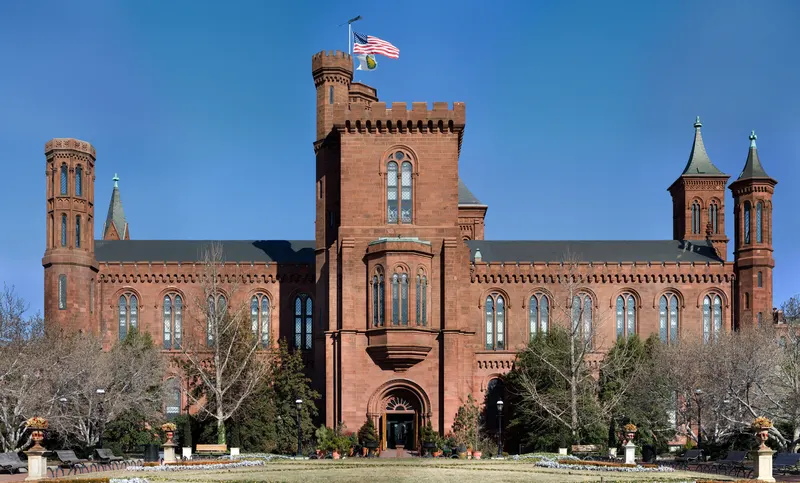
The trade is real and worth naming up front: it's cold, the trees are bare, and the daylight is short. But Washington was built to be visited for free, and that matters most in winter. The Smithsonian museums and the National Gallery of Art cost nothing and stay warm all day, so a January itinerary that leans indoors loses very little and saves a great deal.

Weather: cold, dry, occasionally white
January is typically Washington's coldest month, with daytime highs commonly in the low-to-mid 40s Fahrenheit (around 5–8°C) and nights below freezing; cold snaps can push well lower. Snow happens but isn't dependable — DC sees some most winters, though a heavy fall is the exception rather than the rule. What you'll feel most is the wind funnelling across the open Mall, where there's nothing to break it, so the air bites harder than the thermometer suggests. Treat these as typical ranges and check the forecast close to your trip.
The upside of winter cold is clarity: skies are often crisp and clear, the light is low and good for photographs, and a dusting of snow on the monuments is one of the loveliest sights the city offers. Dress for being outdoors for hours, not for dashing between cabs — a proper coat, hat, gloves and warm layers — and the cold becomes a backdrop rather than an obstacle.


Build the trip indoors, dip out for monuments
Flip the summer rhythm. Where July sends you indoors at midday to escape the heat, January sends you indoors for warmth — so make the free museums your spine and treat the outdoor monuments as bright breaks between them. Spend the cold mornings and late afternoons inside the Smithsonians or the National Gallery, and save your outdoor walking for the mildest, sunniest middle of the day.
Because the museums are free, there's no pressure to extract a full day from any one of them. Pick two or three rooms, see them well, warm up, and move on. A typical January day might pair the National Museum of Natural History or American History with a quick, brisk loop of the nearest monuments, then duck back inside before the early dark.
- Anchor on free, warm interiors: the Smithsonian museums and the National Gallery of Art, all free, all day.
- Keep outdoor stretches short and mid-day, when the light is best and the cold is least.
- The monuments are open and lit year-round — a near-empty winter Lincoln Memorial is a highlight, not a consolation.
- Have a rainy-or-bitter-day backup ready; a sudden cold snap is easier to absorb when the plan is already mostly indoors.
The inauguration exception
There is one way January stops being quiet: the presidential inauguration. Held in mid-to-late January every four years (most recently January 2025), it fills downtown hotels, packs the Mall and Capitol grounds, and closes large areas of central DC to traffic with heavy security. In inauguration years, the value-and-solitude case for January reverses completely for that window — rates spike and access tightens.
If you're visiting in a non-inauguration year, none of this applies and January is its usual calm self. If you are travelling in an inauguration January, decide deliberately: come for the event and plan around closures and crowds, or simply pick a different week. Either way, check the calendar before you book, because this is the rare DC date that can upend a winter trip.

January at a glance
A quick read on the month before you commit. Use the ranges as typical, not promised — DC winters swing year to year, and any given week can run milder or sharper than the average.
- Weather: typically the coldest month; highs often in the low-to-mid 40s°F (~5–8°C), freezing nights, occasional but unreliable snow. Verify near your dates.
- Crowds: the lowest of the year (outside an inauguration), with no museum queues and near-empty monuments.
- Prices: hotel rates at their annual floor — the best value window in DC.
- Daylight: short; plan outdoor walking for the bright middle of the day.
- Watch for: the presidential inauguration (every four years, mid-to-late January) — it fills hotels and closes downtown.


Related guides

The Best Time to Visit Washington, D.C.
A month-by-month, season-by-season honest guide to timing a DC trip — the cherry-blossom rush of spring, the heat and storms of summer, the glorious fall, and the quiet, cheaper winter — so you can match the city to what you actually want.
Read guide
Rainy Day in Washington, D.C.
A wet or punishingly hot day is no disaster in Washington — this is a city of free indoor wonders. From the Smithsonian halls and the National Gallery to the National Archives, food halls, galleries and the Kennedy Center, here is a full plan for a rainy day in DC that keeps you dry, warm and barely spending a cent.
Read guide
Washington, D.C. on a Budget
How to do Washington, D.C. cheaply without missing the point — free museums and monuments, where to save on hotels and Metro, smart ways to eat well for less, low-cost tours, and day trips that don't blow the budget. A practical, area-by-area money plan for a city whose best sights are already free.
Read guideMore in Travel Tips
6
Accessible Washington, D.C.
How to visit Washington with mobility, distance or stamina in mind — the step-free Metro, the largely flat but very long Mall, accessible museums and memorials, taxis and rideshare, and ways to build a low-walking plan that still reaches the city's best places.
Read guide
Are Washington, D.C. Passes Worth It?
An honest look at whether a bundled DC attraction pass saves you money — why a city built on free museums and monuments changes the maths, and the short list of paid sights where a pass or a single ticket actually helps.
Read guide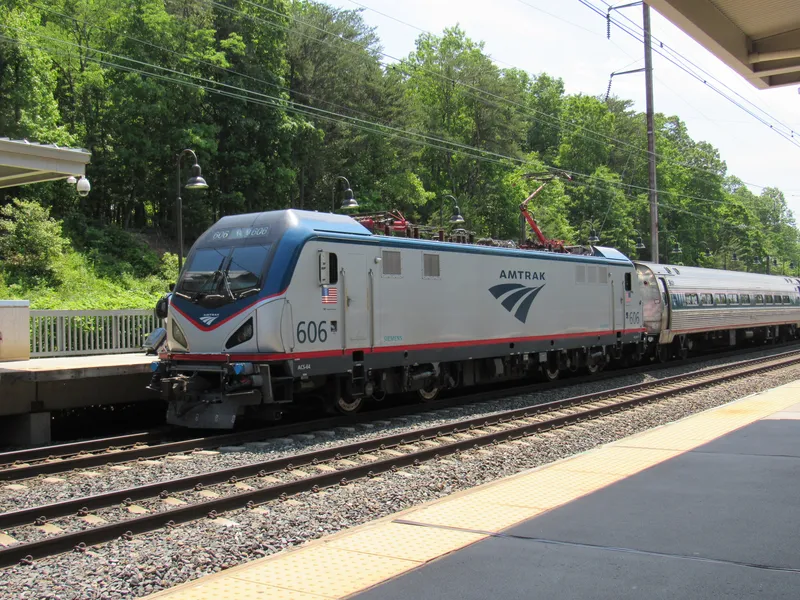
BWI Airport to Washington, D.C.
How to get from Baltimore/Washington International (BWI) into Washington, D.C. — the MARC and Amtrak trains via the BWI rail station, the free terminal shuttle, taxis and rideshare, and an honest look at whether BWI is the right airport for a DC trip.
Read guide
Capitol & White House Tour Planning
How official tours of the two most famous buildings in Washington actually work — the request windows, who to ask, the security to expect, realistic odds, and the strong free backups if a tour doesn't come through.
Read guide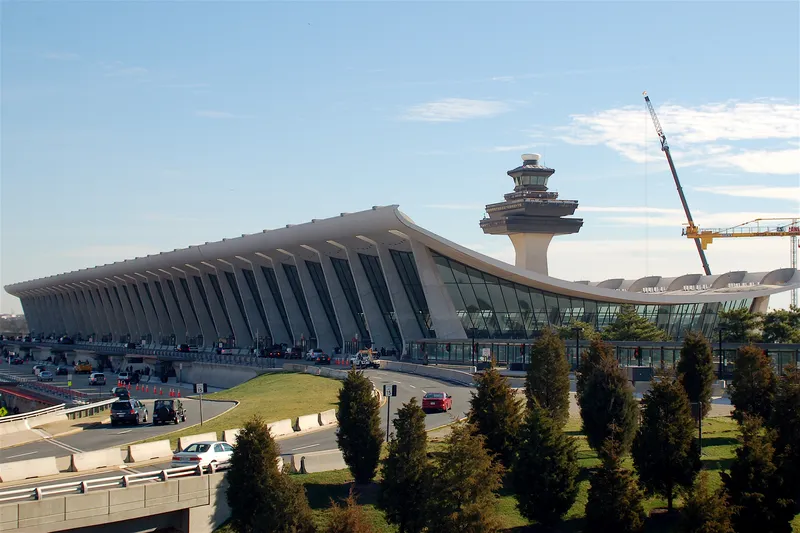
Dulles Airport to Washington, D.C.
How to get from Dulles International Airport (IAD) into Washington, D.C. — the Silver Line Metro, the Washington Flyer and 5A-style buses, taxis and rideshare, and the honest tradeoffs by time of day, budget and where your hotel sits.
Read guide
How to Get Around Washington, D.C.
A clear, realistic answer to how to get around Washington, D.C. without a car — when to simply walk, when the Metro is fastest, where buses fill the gaps, when a taxi or rideshare earns its fare, and how bikes and tour buses fit in. Plain trade-offs for a city built to be crossed on foot and by rail.
Read guide