
Washington, D.C. with Kids
Washington is one of the best-value family trips in America — free museums full of dinosaurs and rockets, monuments you can run between, a hillside zoo and wide-open lawns. This is a family-tested guide to things to do in DC with kids, with the museums that actually work, the parks and food breaks, and a sane way to pace it all.

Photo: J. Amill Santiago / Unsplash
- ✓Almost everything kids love in DC is free — the dinosaurs, the rockets, the monuments and the zoo (some use free passes; verify).
- ✓Natural History and Air and Space are the two museums that reliably win with children — pick those first.
- ✓The Mall is a giant lawn between monuments; let kids run it at the cool edges of the day, not in midday heat.
- ✓Plan for one museum, then air and a snack, then maybe one more — museum fatigue ends more family days than tired feet.
- ✓Stay near a Metro stop with space to spread out; the National Zoo and the Mall are both easy rail rides.
DC with kids at a glance
The quick version, before the detail — the facts that shape a family trip here:
- Cost: almost everything kids love is free — the museums, the monuments, the Mall and the zoo (some use free passes; verify).
- Best museums for kids: Natural History (dinosaurs) and Air and Space (rockets) first; the Spy Museum (paid) for older children.
- Best season: spring and autumn; DC summers are hot, humid and short on shade on the Mall.
- Golden rule: one museum, then air and a snack, then maybe one more — museum fatigue, not tired feet, ends most family days.
- Getting around: stay near a Metro stop; the rail spares small legs the long DC walking distances, and a SmarTrip card covers the family.


Why DC works so well with kids
Washington is quietly one of the great family destinations, and the reason is the same one that makes it good for everyone: it is free, and it is built to be walked. A family can fill days with dinosaurs, rockets, pandas-or-elephants, marble giants and wide green lawns without paying admission once. That removes the usual parental maths of 'is this worth the ticket' and replaces it with the only question that matters with children — how much can they take before they melt down.
So the real skill here is pacing, not picking. There is more than enough to do; the families who have the best time are the ones who do less, more slowly, with snacks. Build each day around one indoor anchor and one outdoor release, keep the middle of hot days indoors and the edges outdoors, and treat every museum as a few exhibits rather than a whole building. Do that and DC is a joy with kids of almost any age.
A note on the season: DC summers are genuinely hot and humid, and the Mall has little shade. With young children, spring and autumn are far kinder, and in any season an early start beats a midday slog. The city rewards the families who treat the cool morning as prime time.

The museums that win with kids
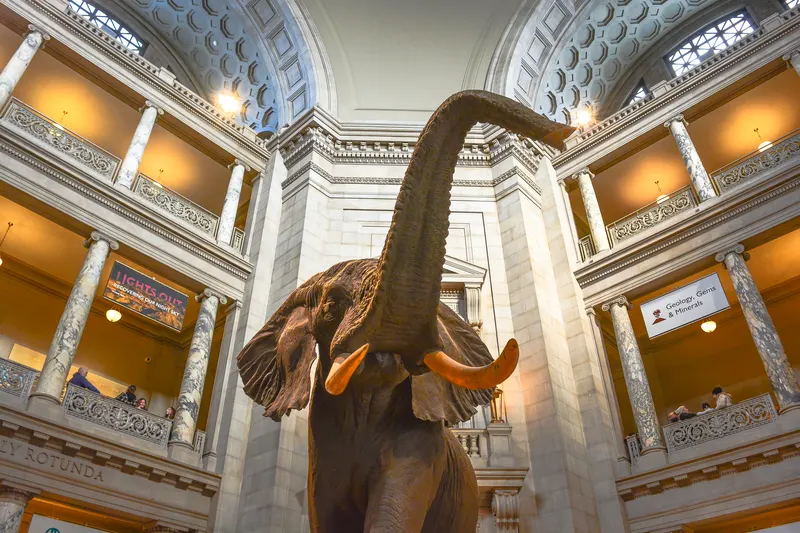
Two free Smithsonian museums do most of the work. The National Museum of Natural History is the reliable favourite: the Hall of Fossils with its mounted dinosaurs and the Nation's T. rex, the Hope Diamond, a live butterfly pavilion and insect zoo, and the giant ocean hall under a model whale. The National Air and Space Museum, mid-renovation but reopening galleries in phases, hangs real rockets and planes overhead and is irresistible to any space- or flight-mad child (it uses free timed-entry passes — verify; its huge sibling, the Udvar-Hazy Center, sits out by Dulles and holds a Space Shuttle).
Beyond the headline pair, a few others land well with the right kids. The International Spy Museum (paid) gives older children an interactive undercover mission; the National Museum of the American Indian has a hands-on imagination station and good food; the National Museum of American History keeps things kids recognise, from Dorothy's ruby slippers to a real steam locomotive. Pick by your own children, not the rankings — and remember the museums are free, so a short, happy visit you leave on a high beats a long one that ends in tears.

The National Zoo and animal days
The Smithsonian's National Zoo is a family fixture, climbing a wooded hillside in Rock Creek Park with big cats, elephants, great apes and — when in residence — its famous giant pandas (panda residency has changed over the years; verify what's currently there). It is free to enter, though it has used free entry passes at busy times, so check before you go.
Two practical truths shape a zoo visit with kids. First, it is built on a hill: the main path runs downhill from the Connecticut Avenue entrance, which is easy on the way in and a climb on the way out — plan strollers and tired legs accordingly. Second, summer heat sends many animals into the shade and the children into a sweat, so come early. Woodley Park and Cleveland Park Metro stations sit at either end, making it an easy car-free morning that pairs well with a relaxed afternoon back near your hotel.

Monuments kids actually enjoy
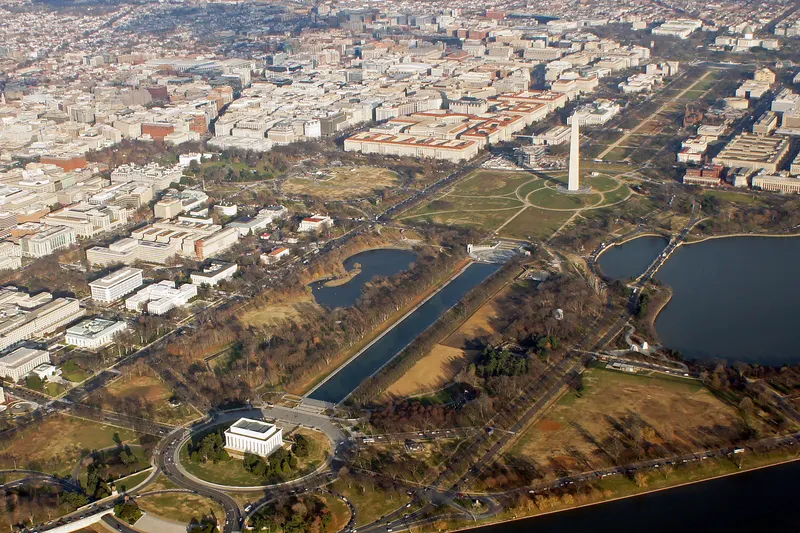
Children do not need to grasp the history to enjoy the monuments — they need space to move and things that feel big. The Lincoln Memorial delivers both: a long flight of steps to climb and a colossal marble Lincoln at the top, with the Reflecting Pool stretching away below. The Washington Monument towers over a grassy ring perfect for running (its observation elevator needs free timed tickets and has had closures — verify). And the World War II Memorial's fountains and the open lawns make natural energy-burners between the marble.
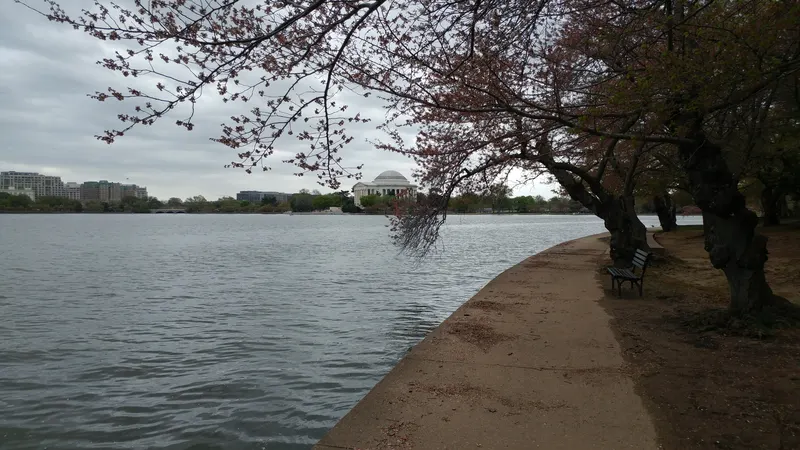
The Tidal Basin loop adds the Jefferson, FDR and Martin Luther King Jr. memorials, with paddle boats in warmer months that turn a memorial walk into an outing kids will actually request. Walk the monuments at the cool edges of the day, bring water and let children set the pace — a monument is just a giant stone thing to a five-year-old, and that is exactly the right amount to ask of them. Save the after-dark monument walk for older kids who can handle a later night; the lit-up Mall is magical, but it's a lot of walking in the dark for little ones.
Green space, gardens and a place to run
Children need release valves between the marble and the museums, and DC has good ones. The United States Botanic Garden beside the Capitol is a free, warm glasshouse jungle — a dome of palms and a children's garden that's a perfect rainy-day or too-hot refuge. The National Gallery's Sculpture Garden has a central fountain to circle (and an ice rink in winter), and the wide Mall lawns themselves are the simplest playground in the city.
For a proper break, Rock Creek Park threads real woodland through the middle of DC, with trails and picnic areas near the zoo, and the National Zoo and Woodley Park give a leafy, family-friendly base away from the federal core. Build at least one of these green stops into every day — the families who schedule downtime as deliberately as sightseeing are the ones whose kids are still smiling at dinner.

Food breaks and rainy-day backups
Food on the Mall itself is mostly forgettable museum-cafeteria fare, so plan snacks and pick your meals deliberately. Carry water and snacks for the lawn; for a real lunch, the food halls are a family's best friend — Union Market in NoMa and the Municipal Fish Market and food options at The Wharf give everyone their own choice without a sit-down restaurant's patience test. On Capitol Hill, the weekend stalls of Eastern Market are an easy, cheerful family stop.
For a rainy or punishingly hot day, lean into the indoors. The Mall museums are free, cool and connected, and Penn Quarter packs the Spy Museum, the Portrait Gallery's restful Kogod Courtyard, Ford's Theatre and restaurants into a short, partly-sheltered walk. The Botanic Garden, the National Aquarium's marine life out at Baltimore (a day trip), and a museum afternoon all turn bad weather into an easy win with kids.

Where to base a family and how to get around
With kids, the base matters as much as the sights. Aim for a hotel within a short walk of a Metro station, ideally one with room to spread out — suites or family rooms beat a cramped double. Areas near the Mall keep the monuments and museums walkable; Woodley Park and Cleveland Park trade a little distance for the zoo, leafy streets and a calmer evening; and any of them works if the Metro is close. A SmarTrip card covers the whole family on rail and bus, and children under a certain age ride free (verify the current policy).
The Metro is the family's secret weapon: it spares small legs the long DC walking distances and turns the city into a series of short, manageable rides. Plan your days as a loop out and back from one station, keep the schedule loose, and accept that you will see fewer things than you could and enjoy them more — which, with children, is the whole point.


A sample family day, paced for kids
To make the pacing concrete, here is a day that works with children of most ages. Start early while it's cool: ride the Metro to the Mall and walk the Lincoln-to-Monument stretch, letting the kids run the lawns and climb the Lincoln steps, with water and snacks in the bag. By mid-morning, when the sun and the legs start to flag, duck into one free museum — Natural History for dinosaurs is the safe bet — and see a handful of exhibits, not the whole building.
Break for a proper lunch somewhere with options, like a food hall, then build the afternoon around rest and release: the warm Botanic Garden glasshouse, the Sculpture Garden fountain, or simply back to the hotel for downtime if everyone's flagging. If there's energy left in the early evening, the Tidal Basin paddle boats (in season) or a gentle stretch of monuments make a gentle finish. The shape is the point — one indoor anchor, one outdoor release, a real meal, and built-in downtime — repeated and reshuffled across however many days you have.
Above all, let the children help choose. A five-year-old who picked the dinosaurs and an eleven-year-old who chose the spy missions are far better company than ones being marched through someone else's itinerary. DC is generous enough that you can do very little, give the kids a say, and still come home feeling you showed them the heart of the capital.


Related guides

Smithsonian National Zoo Guide
How to visit the Smithsonian's National Zoo in Washington — free entry with timed-entry passes, the giant pandas, the best animal houses, the hilly layout, parking and Metro, and how to time a family day around the summer heat.
Read guide
A Washington, D.C. Itinerary with Kids
A family-paced Washington, D.C. itinerary — short museum blocks at the free Smithsonians, the dinosaurs and the Hope Diamond, the National Zoo, the Mall carousel, plenty of food and bathroom breaks, stroller notes and fewer long walks, built so children and parents both enjoy the day.
Read guide
Family Hotels in Washington, D.C.
Washington is one of the best-value family trips in America, and the right hotel makes it effortless. This is a practical guide to family-friendly hotels in DC — the features that actually matter (space, breakfast, a pool, a short walk to Metro), the areas that suit families with kids of different ages, and how to turn a free-museum city into an easy, well-paced trip.
Read guideMore in Things to Do
6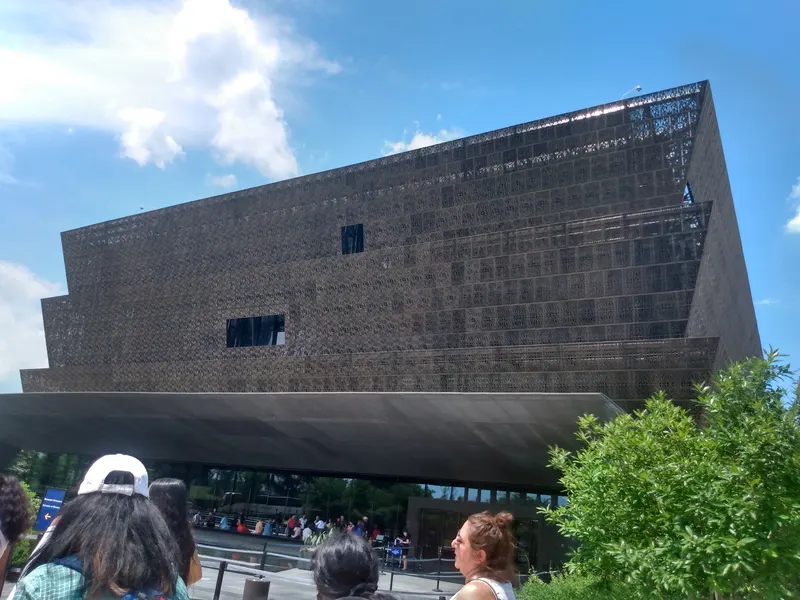
African American History Museum Guide
How to visit the National Museum of African American History & Culture on the Mall — the free timed-entry passes and how to get one, the deep underground history galleries, Sweet Home Café, the lines, how to pace an emotionally heavy visit, and the walk along the Mall.
Read guide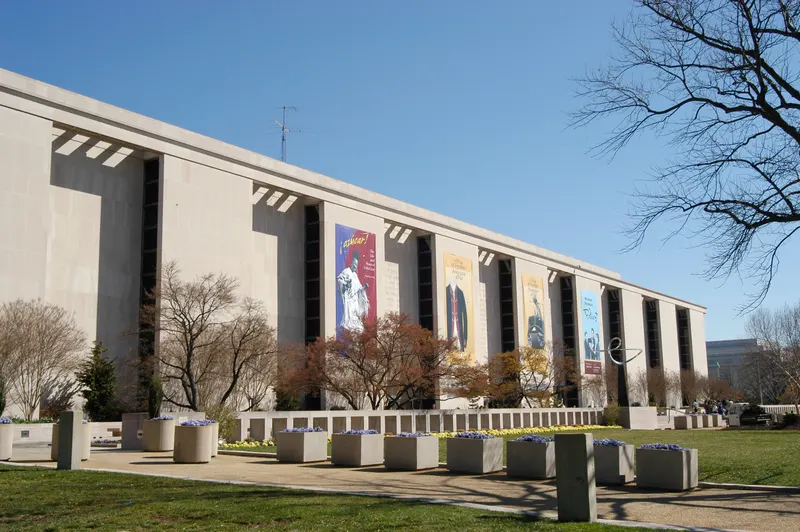
American History Museum Guide
How to visit the National Museum of American History on the Mall — the original Star-Spangled Banner, the First Ladies' gowns, the American presidency, the pop-culture icons, the food-court logistics, and how to time a visit around the school groups.
Read guide
Best Museums in Washington, D.C.
Washington has more world-class museums than any sane trip can hold, and almost all of them are free. This is a guide to the best museums in DC sorted by topic, age, ticket needs, location and rainy-day value — so you can choose two or three with confidence instead of trying to see them all.
Read guide
Best Photography Spots in Washington, D.C.
Where to make great photographs in Washington — the monument reflections, the Tidal Basin blossoms, the Capitol and Lincoln axis, Georgetown's waterfront, hidden rooftops and the golden-hour and blue-hour routes that tie them together.
Read guide
Best Things to Do in Washington, D.C.
A ranked first-trip shortlist of the best things to do in Washington, D.C. — from the National Mall and the free Smithsonian museums to a Capitol tour, the Tidal Basin and Georgetown — built so you can pick a handful and still feel you saw the city.
Read guide
Best Viewpoints in Washington, D.C.
Where to find the best views in Washington — the high monuments and free towers, the rooftop bars and cultural terraces, and the river and hilltop overlooks across the Potomac, ranked by how much effort each one asks.
Read guide