
Rock Creek Park Guide
How to use Rock Creek Park — the trails, picnic groves and the Nature Center, the best ways in, how it pairs with the National Zoo, and how to take a real nature break in Washington without overcommitting your day.
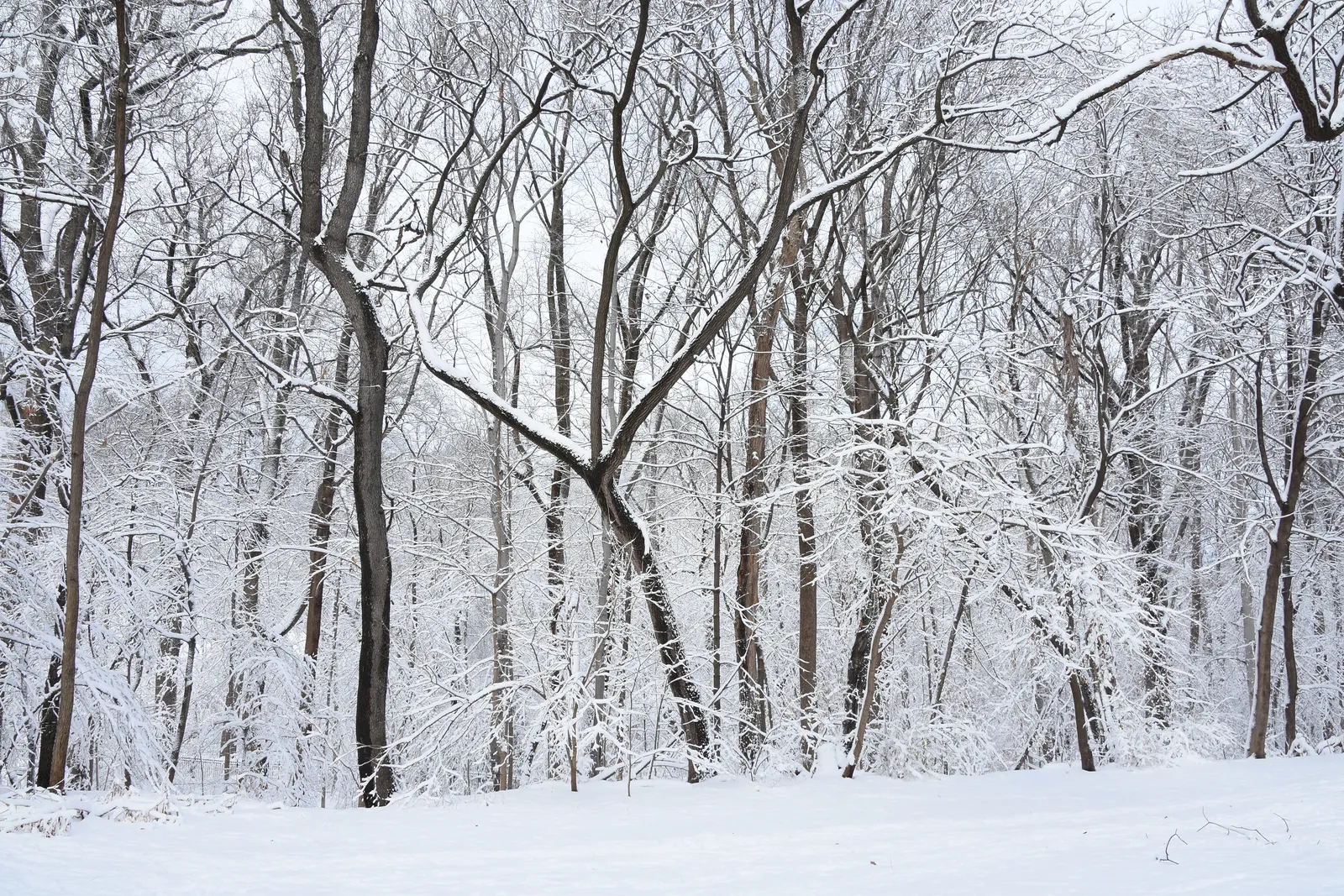
Photo: Amaury Laporte / Wikimedia Commons · CC BY 2.0
- ✓It is one of the oldest and largest urban forests in the country — a roughly 1,750-acre wooded valley run by the National Park Service, cutting right through the northwest of the city.
- ✓Established by Congress in 1890, it predates most of the city around it and is older than the National Zoo, which sits within its boundary.
- ✓There's no single entrance or ticket — you simply walk, run, cycle or drive into it; the park is free and open daily.
- ✓The Nature Center and Planetarium and the historic Peirce Mill are the easiest 'destinations'; otherwise the draw is just trails, creek and trees.
- ✓It works best as a half-day breather or a morning paired with the Zoo or the National Cathedral — don't try to 'do' the whole park.
At a glance
The quick facts for planning a Rock Creek visit. Hours, road closures and facility openings shift with the season and with roadwork, so treat the volatile details as things to confirm with the National Park Service before you go.
- What it is — a roughly 1,750-acre forested NPS park threading through northwest Washington; one of the country's oldest large urban parks (established 1890).
- Cost — free; no entrance gate or ticket.
- Best for — trail walks and runs, cycling, picnics, a nature reset, families with the Nature Center.
- Don't-miss — a creekside walk; the Nature Center & Planetarium; Peirce Mill; the car-free Beach Drive on weekends.
- Getting there — no station inside the park; reach the edges by bus or by the Woodley Park / Cleveland Park Metro stations. Verify routes on WMATA.
- Time needed — a half-day, or a couple of hours folded into a Zoo or Cathedral day.
- Verify before you go — Beach Drive closures, Nature Center and Peirce Mill hours, and any trail or facility closures with the NPS.

A wild valley running through the city
Most capitals would be proud of a single big park. Washington has a genuine forest. Rock Creek Park is a long, wooded valley that the city was built around rather than over — roughly 1,750 acres of hardwood ridges, rocky creek and ravines threading down through the northwest quadrant. Established by an act of Congress in 1890, it is one of the oldest federally managed urban parks in the United States, older than the National Zoo that sits inside it, and it gives Washingtonians something rare in a capital: somewhere a few minutes from the monuments where you can lose sight and sound of the city entirely.
For a visitor, the value of Rock Creek is exactly that it is not a sight. There is no entrance gate, no ticket, no must-see object to queue for. It is a place to walk off a museum headache, run in the morning, push a stroller under the trees, or simply remember that Washington is a green and watered city, not just a marble one. The whole park is free and open daily, run by the National Park Service. The trick is to treat it as a breather woven into your plans, not as a separate expedition — a couple of hours of trees and creek will do far more for a tired trip than another packed afternoon indoors.

Trails, the creek and how to walk it
The heart of the park is its trail network. Dirt hiking trails (often colour-blazed) run along both sides of the creek and over the wooded ridges, while a paved multi-use trail follows the valley floor and is popular with runners, cyclists and families. You don't need a grand plan: pick a point of access, walk in until the city noise drops away, follow the water, and turn back when you've had enough. Some of the creek crossings are by stepping stones and footbridges, the terrain rolls more than people expect, and after rain the dirt trails get muddy — sturdy shoes beat sandals here.
A lovely traffic-light detail: on weekends and holidays the National Park Service closes a long stretch of Beach Drive, the park's main valley road, to cars, handing it over to walkers, runners, cyclists and roller-skaters. If your visit falls on a weekend, that car-free road is the easiest, flattest, prettiest way to experience the park's interior. Closure days and hours change with seasons and roadwork, so verify current Beach Drive closures with the NPS before you count on it. Whatever route you take, bring water, watch for ticks and poison ivy in the undergrowth, and keep an eye on the light — the valley gets dark under the canopy earlier than the open Mall does.
- Hiking trails run both sides of the creek and over the ridges; a paved valley trail suits runners, bikes and strollers.
- Weekends and holidays: a long stretch of Beach Drive closes to cars for walkers and cyclists — verify current closures with NPS.
- Terrain rolls and gets muddy after rain — wear proper shoes, not sandals.
- Bring water; watch for ticks and poison ivy off-trail; the canopy makes the valley dark earlier than the Mall.
- Don't aim to cover the whole park — pick one stretch and turn back when you're ready.
Destinations within the park
If you'd rather have a focal point than wander, the park has a handful. The Rock Creek Park Nature Center and Planetarium, in the upper part of the park, is a small, free, family-friendly stop with natural-history exhibits, live programs and the only public planetarium in the National Park System — a genuinely useful rainy-hour or with-kids option, though its days and showtimes are limited, so verify before you go. Nearby, short interpretive trails make an easy loop suitable for younger children.
Lower down, Peirce Mill is a restored nineteenth-century gristmill beside the creek — a quiet, photogenic piece of the city's pre-federal past, sometimes operating its great water-driven wheel on open days. The park also holds picnic groves (some shelters can be reserved, many are first-come), the historic Old Stone House further south in Georgetown that shares the park's stewardship story, and, for the energetic, a public golf course, tennis facilities and horse-friendly trails. None of these is essential; each gives a aimless walk a destination if you want one. Hours for the Nature Center, Peirce Mill and any rentals shift seasonally — confirm current openings with the NPS.
- Nature Center & Planetarium — free, family-friendly exhibits and the National Park System's only planetarium; limited days, verify times.
- Peirce Mill — a restored 1800s gristmill by the creek, sometimes running on open days; photogenic and quiet.
- Picnic groves — some shelters reservable, many first-come; a good lunch base on a walking day.
- Golf, tennis and bridle trails for the active; check seasonal hours and any fees with NPS.
Pairing it with the Zoo and the northwest
Rock Creek's geography makes it easy to combine. The Smithsonian National Zoo sits inside the park's southern reach, so a classic upper-northwest day is the Zoo in the morning and a stroll along the creek afterwards, or vice versa — both free, both green, both a world away from the federal core. Just up the hill, Washington National Cathedral and its Bishop's Garden round out a calm, off-Mall day in this leafy corner. If you're staying in Woodley Park or Cleveland Park, all of this is on your doorstep and reachable on foot or by a short bus or Metro hop.
Keep the logistics honest, though. The park is large and sprawling, served more by bus and by the Metro stations at its edges than by any station inside it, and its different attractions — Nature Center up north, Peirce Mill and the Zoo further south — are not within easy walking distance of one another. Pick one zone and stay in it rather than trying to traverse the whole valley. For most visitors the simplest plan is to enter near the Zoo or near Woodley Park, take a creekside walk, and let that be the nature half of a day whose other half is the Cathedral or a neighbourhood lunch.
 Smithsonian National Zoo
Free and set inside the park's southern end — the natural other half of a Rock Creek day.
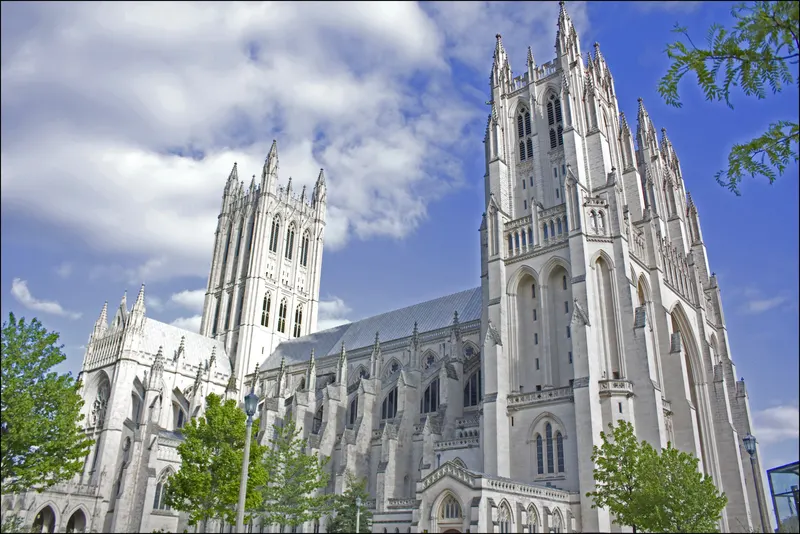 Washington National Cathedral
Up the hill in the same green corner; pair it with a creek walk for an off-Mall day.
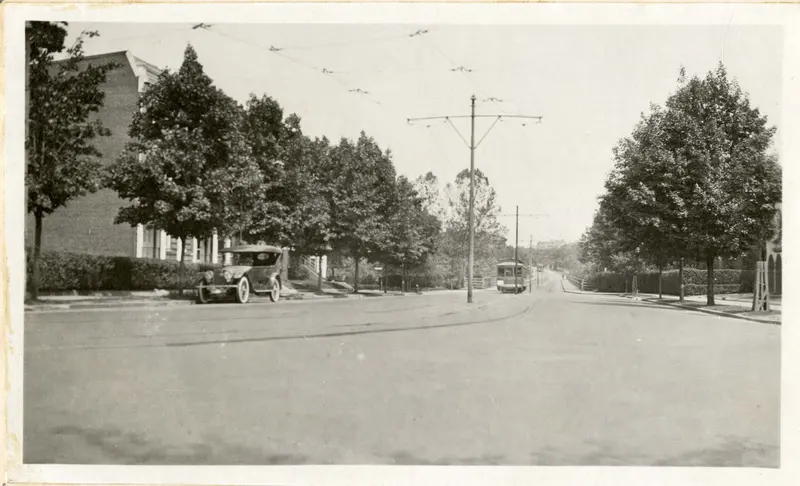 Woodley Park & Cleveland Park
The leafy upper-northwest base that puts the park, the Zoo and the Cathedral within reach.
Practical notes for a visit
Go in the morning or late afternoon for the best light and the coolest air; the valley is shaded but Washington's summer humidity still finds you on the climbs. Spring and autumn are the loveliest seasons — wildflowers and fresh green in April, real colour in the hardwoods in October — while winter strips the trees back and opens up the views. Wear shoes you don't mind getting muddy, carry water, and download or photograph a trail map at the trailhead, because phone signal drops in the deeper ravines and the unmarked side paths multiply.
Safety-wise, Rock Creek is a city park: well used and welcoming by day, quieter and darker at the edges of the day. Stick to busier trails and the car-free road if you're alone, don't plan to be deep in the woods after dark, and keep valuables out of sight in any car you park at a trailhead. With those ordinary precautions it is one of the most restorative things you can do in Washington — and one of the only ones where the capital disappears completely.
- Best in spring and autumn; mornings and late afternoons for light and cooler air.
- Grab a trail map at the trailhead — signal drops in the ravines and side paths are easy to lose.
- It's a city park: fine and busy by day, quieter at the edges — stay on used trails if alone and don't linger after dark.
- Don't leave valuables visible in a car parked at a trailhead.

Related guides
Smithsonian National Zoo Guide
How to visit the Smithsonian's National Zoo in Washington — free entry with timed-entry passes, the giant pandas, the best animal houses, the hilly layout, parking and Metro, and how to time a family day around the summer heat.
Read guide
Washington, D.C. with Kids: Practical Tips
The logistics of a Washington trip with children — strollers on the Mall and through security, pacing museums so nobody melts down, finding meals and bathrooms, riding the Metro with kids, and choosing a hotel area that shortens everyone's day. Practical answers, not a sights list.
Read guide
Washington, D.C. Hidden Gems
The Washington beyond the Mall — the marooned Capitol Columns, the Gothic cathedral on the hill, the wooded valley of Rock Creek, off-radar museums, walled gardens and the quiet neighbourhoods that most first-time visitors never reach.
Read guideMore in Things to Do
6
African American History Museum Guide
How to visit the National Museum of African American History & Culture on the Mall — the free timed-entry passes and how to get one, the deep underground history galleries, Sweet Home Café, the lines, how to pace an emotionally heavy visit, and the walk along the Mall.
Read guide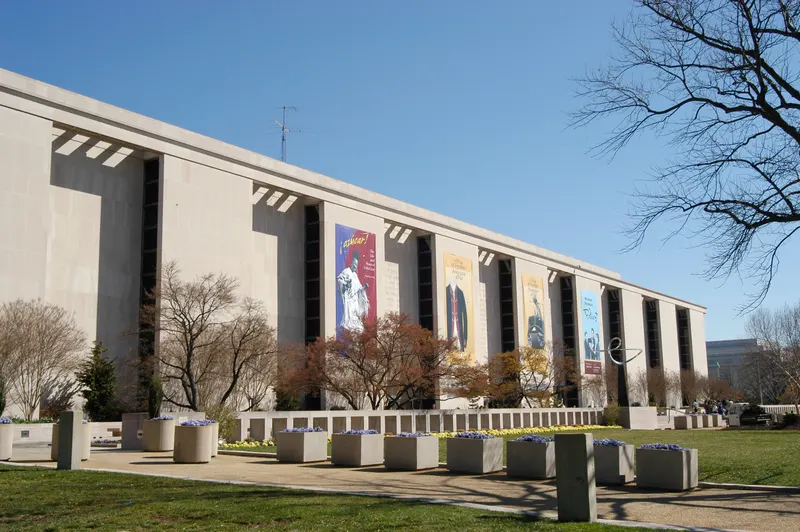
American History Museum Guide
How to visit the National Museum of American History on the Mall — the original Star-Spangled Banner, the First Ladies' gowns, the American presidency, the pop-culture icons, the food-court logistics, and how to time a visit around the school groups.
Read guide
Best Museums in Washington, D.C.
Washington has more world-class museums than any sane trip can hold, and almost all of them are free. This is a guide to the best museums in DC sorted by topic, age, ticket needs, location and rainy-day value — so you can choose two or three with confidence instead of trying to see them all.
Read guide
Best Photography Spots in Washington, D.C.
Where to make great photographs in Washington — the monument reflections, the Tidal Basin blossoms, the Capitol and Lincoln axis, Georgetown's waterfront, hidden rooftops and the golden-hour and blue-hour routes that tie them together.
Read guide
Best Things to Do in Washington, D.C.
A ranked first-trip shortlist of the best things to do in Washington, D.C. — from the National Mall and the free Smithsonian museums to a Capitol tour, the Tidal Basin and Georgetown — built so you can pick a handful and still feel you saw the city.
Read guide
Best Viewpoints in Washington, D.C.
Where to find the best views in Washington — the high monuments and free towers, the rooftop bars and cultural terraces, and the river and hilltop overlooks across the Potomac, ranked by how much effort each one asks.
Read guide