
Free Things to Do in Washington, D.C.
Washington is the rare capital built to be open to the public — its monuments, its biggest museums and its gardens cost nothing. This is a full guide to the free things to do in DC, from the Smithsonian and the National Gallery to the Mall after dark, the Botanic Garden, the Kennedy Center's nightly free stage and the neighbourhoods between.

Photo: Hester Qiang / Unsplash
- ✓Every Smithsonian museum and the National Gallery of Art are free, every day — the largest concentration of free museums on earth.
- ✓All of the monuments and memorials on and around the National Mall are free, and most never close — go after dark for the best of them.
- ✓The U.S. Botanic Garden, the National Zoo and the Kennedy Center's nightly Millennium Stage are all free too (some use free passes — verify).
- ✓A Capitol tour and the National Archives are free; a few sights need free timed-entry passes booked online in advance.
- ✓With careful planning you can fill two or three full days in DC and barely open your wallet beyond food and transit.
Washington is the rare free capital
Most great cities make you pay to see their best things. Washington, by design, does not. The federal city was built to be open to the people who own it, and that founding idea still shapes a traveller's budget: the monuments are free, the Mall is free, and the single greatest museum complex in the world charges nothing at the door. You can plan a serious, full DC trip and spend money only on a bed, a Metro card and the meals you choose.
That changes how you plan. When admission costs nothing, the real currency of a DC trip is energy and time — so the skill is not finding free things (they are everywhere) but pacing them so you don't burn out surrounded by free riches. This guide sorts the city's free attractions the way you actually move through them, and flags the small handful that need a free pass booked ahead.
One honest caveat: 'free to enter' is not 'free to reach or feed yourself'. Build in the cost of the Metro, of lunch, and of the occasional paid extra (a tower elevator, a special exhibition, a boat). But the spine of a DC visit — the marble, the museums, the gardens — really is yours for nothing.


The free museums: the Smithsonian and the National Gallery
The Smithsonian Institution runs a string of museums, most lined up along the National Mall, and entry to all of them is free, every day, with no ticket needed for the majority. Add the National Gallery of Art — which is not a Smithsonian but is also entirely free — and you have the densest cluster of world-class free museums anywhere on the planet.
The trap is stamina, not money. These are enormous buildings, and trying to 'do' one in full is the fastest way to ruin a day. Treat each as a few rooms rather than a whole: pick the two or three things you actually want to see, see them well, and walk back out into the city. Because there is no admission, there is nothing to extract your money's worth from — come back tomorrow for more.
A short way to choose between the headline Mall museums, all free:
- National Air and Space Museum — the icons of flight and spaceflight (mid-renovation, with free timed-entry passes; verify before you go).
- National Museum of Natural History — dinosaurs, the Hope Diamond, the ocean hall; the easiest win with kids.
- National Museum of American History — the original Star-Spangled Banner, the First Ladies' gowns, pop-culture Americana.
- National Museum of African American History and Culture — for many the most moving building in the city (free timed-entry passes; verify).
- National Gallery of Art — a free, encyclopaedic art museum with a famous Sculpture Garden, ice rink in winter, and a free fountain to sit beside in summer.
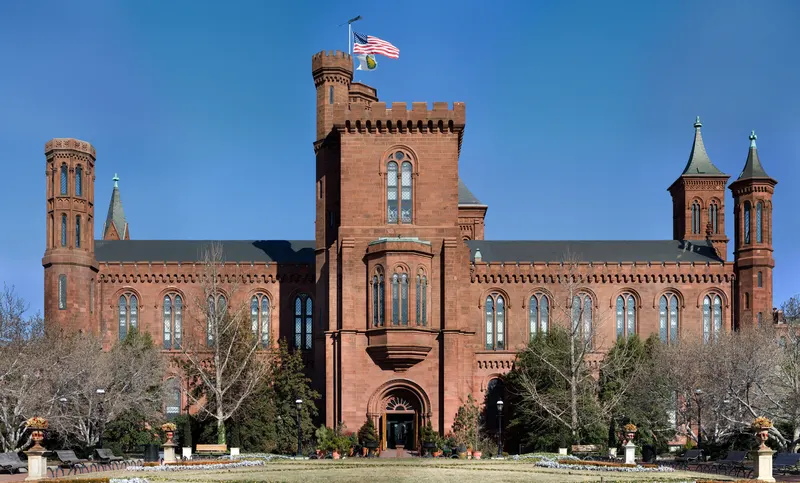 Smithsonian museums guide
Compare all the free Smithsonian museums by interest, age, passes and time needed.
 Best museums in DC
How the free museums stack up against the few paid ones, by topic and rainy-day value.
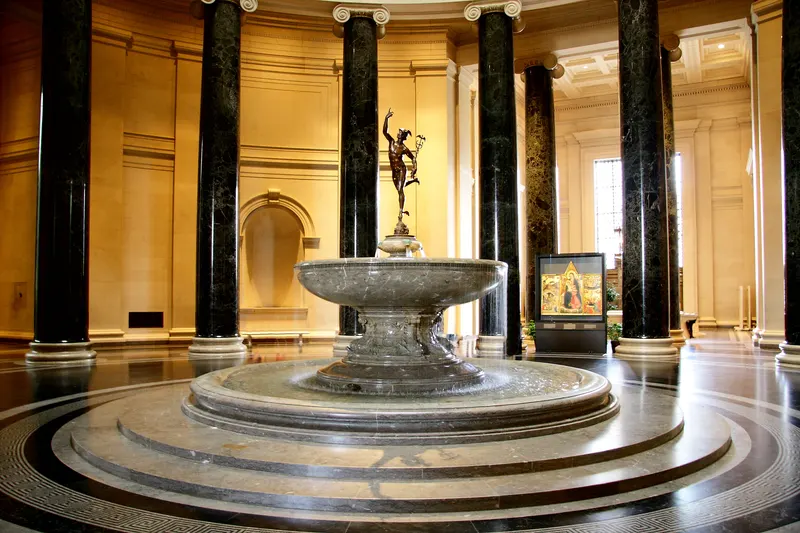 National Gallery of Art guide
Two buildings, a free Sculpture Garden and how to plan an art-focused free day.
The free monuments and memorials
Every monument and memorial on and around the National Mall is free to visit, and most of the major outdoor ones never close. Walking the axis from the Lincoln Memorial down the Reflecting Pool to the Washington Monument — with the Capitol dome two miles beyond — is the single most efficient free hour in the city, taking in four or five major sights on one sightline.
Gathered close at the western end, all free, sit the war memorials: the World War II Memorial at the foot of the Reflecting Pool, the Vietnam Veterans Memorial Wall cut quietly into the north lawn, and the Korean War Veterans Memorial to the south. Loop around the Tidal Basin and you add the Jefferson, FDR and Martin Luther King Jr. memorials, again all free, with the cherry blossoms ringing the water in early spring.
The best free move of all is to come back after dark. Most of the Mall's memorials are floodlit and open through the night, the daytime crowds vanish, and the Lincoln Memorial looking back down a black-and-gold Reflecting Pool is one of the most moving sights in the country — and it costs nothing. Stick to the busy, well-lit paths and keep your group together in the large open park.
Beyond the Mall, the free monuments keep going. Across the river, Arlington National Cemetery is free to enter, with the changing of the guard at the Tomb of the Unknown Soldier and the Kennedy graves — a solemn, moving morning a short Metro ride away. Closer in, the small, often-missed memorials reward a slow walk: the District of Columbia War Memorial tucked among the trees, the Albert Einstein statue you can climb into for a photo, and the quiet niches of the Constitution Gardens pond. None charges a cent, and together they turn a monument walk into a half-day of free history.

Free government buildings and the founding documents
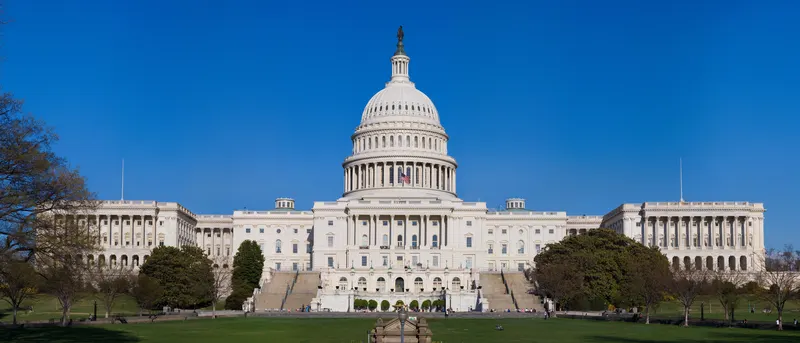
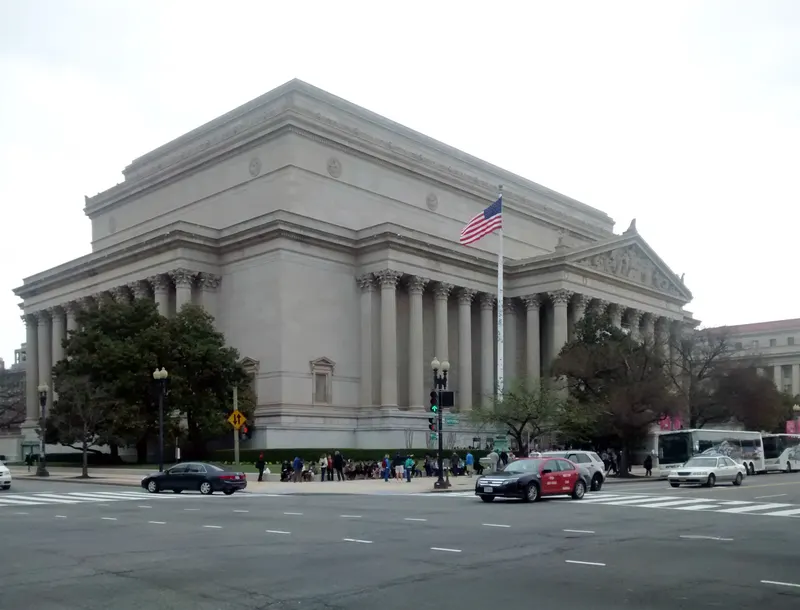
Some of the most memorable free things in DC are the institutions you usually only read about. A guided tour of the United States Capitol is free — you reserve a pass online in advance, or U.S. residents can book through their senator or representative — and takes you through the soaring Rotunda and National Statuary Hall. The National Archives, also free, lets you stand a few feet from the original Declaration of Independence, the Constitution and the Bill of Rights (timed-entry tickets help skip the line in busy seasons; verify current ticketing).
On Capitol Hill the free run continues. The Library of Congress's Thomas Jefferson Building is one of the most beautiful interiors in America and is free to visit (free timed-entry passes help at peak times; verify), and the Supreme Court across the street opens to visitors with free courtroom lectures when the Court is not in session. The White House is the hardest free ticket in town — public tours must be requested far in advance — but the open-to-all White House Visitor Center and the classic view across Lafayette Square cost nothing.
Free gardens, the Zoo and green escapes
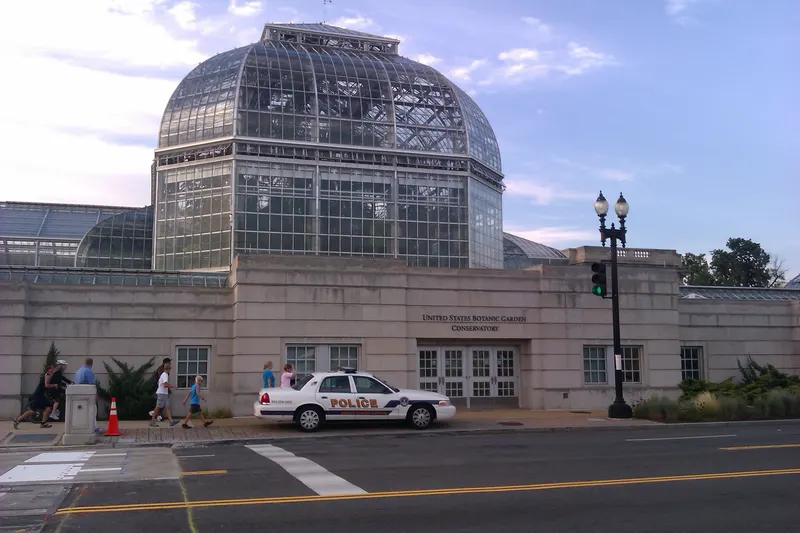
Not all of DC's free attractions are marble or museums. The United States Botanic Garden beside the Capitol is a free glasshouse jungle and a perfect rainy-day refuge, with seasonal displays and outdoor gardens. The Smithsonian's National Zoo climbs a wooded hillside in Rock Creek Park and is free to enter (it has used free entry passes at busy times — verify before you go). And Rock Creek Park itself threads genuine woodland right through the middle of the city, free to wander.
Out at the edges, the United States National Arboretum is free, with its famous Capitol Columns standing alone in a meadow and a blaze of azaleas in spring (transport is the catch — it is awkward without a car). Closer in, the National Gallery's Sculpture Garden, the grounds of the Washington Monument, and the gardens around the Smithsonian Castle all make free places to sit, picnic and rest your feet between sights.

Free culture, music and neighbourhoods
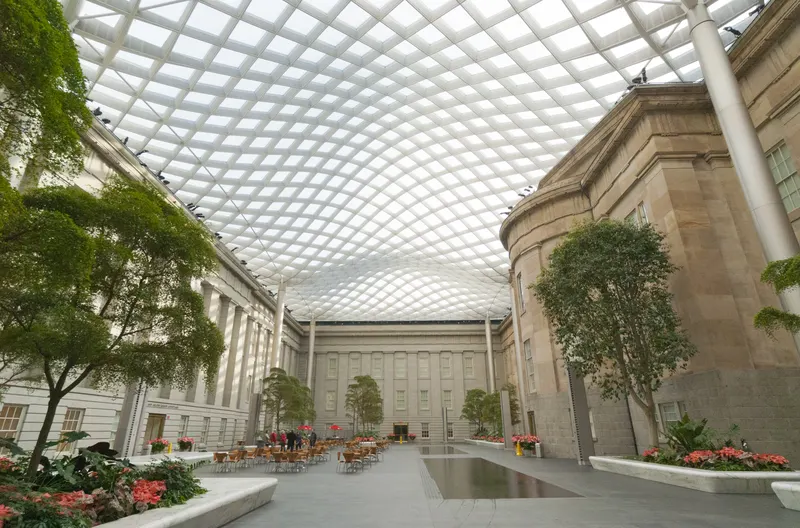
The free list reaches into the evening too. The Kennedy Center has long run a free performance on its Millennium Stage as part of its programming (format and timing vary — verify the current schedule), and its rooftop terrace gives a free river-and-monument view at sunset. The National Portrait Gallery and the Smithsonian American Art Museum share a free, glass-roofed Kogod Courtyard that is one of the best free indoor places to sit in the city, with longer afternoon hours than most Mall museums.
Then there are the neighbourhoods, which cost nothing to walk. Georgetown's cobbled streets and the leafy C&O Canal towpath, Dupont Circle's Embassy Row and bookshops, the weekend bustle of Eastern Market on Capitol Hill, the murals around Union Market and the historic blocks of U Street — wandering these is free, and it is where you feel the city people actually live in, not just the stage set of monuments.

The few things that need a free pass
Almost nothing in DC needs booking, which makes the exceptions worth knowing. A short list of free attractions release free timed-entry passes online, and the popular ones go quickly. As a rule of thumb, sort these before you arrive and double-check the current process on each official site close to your trip, because ticketing here is volatile and changes from season to season.
The usual free-pass list to verify:
- National Museum of African American History and Culture — free timed-entry passes (verify; same-day passes are sometimes released).
- National Air and Space Museum — free timed-entry passes during its renovation (verify).
- U.S. Capitol tour — a free reserved pass online, or via your member of Congress.
- National Archives — free, with optional timed-entry reservations that help in busy seasons (verify).
- Library of Congress and the National Zoo — free, with timed passes used at peak times (verify).

A free day, put together
Here is how the free attractions stitch into real days. Morning one: walk the Mall axis from Lincoln to the Monument, folding in the war memorials, then duck into one free museum out of the heat. Afternoon: the National Gallery or the Botanic Garden, then a wander through a neighbourhood like Capitol Hill or Georgetown. Evening: come back for the monuments after dark, the single best free thing in the city.
Day two adds a free Capitol tour and the National Archives in the morning, a second museum at midday, and the Tidal Basin loop or the National Zoo in the afternoon. By now you have seen the heart of Washington and spent money only on transit and meals. Anchor every day around the Metro and a base near a station, alternate indoor museums with outdoor monuments, and keep one evening free for the lit-up Mall — and even a tight, free-leaning trip will feel like you saw the city, not just ticked it off.



Related guides
Smithsonian Museums Guide
How to plan a sane day across Washington's free Smithsonian museums — which to prioritise by interest and age, which need free timed-entry passes, how long each really takes, where to eat, and how the buildings line up along the National Mall.
Read guide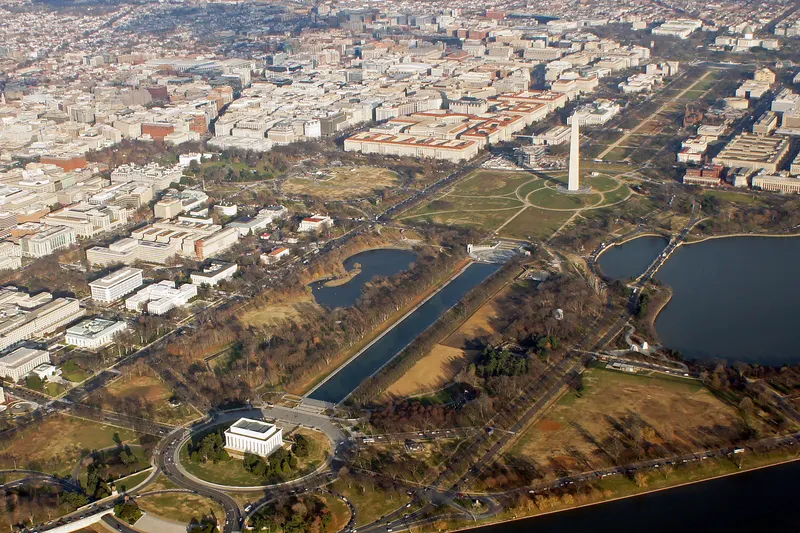
National Mall Guide, Washington, D.C.
How to plan the National Mall by section — the real walking distances, where the monuments and museum stops sit, and where to find shade, food, bathrooms, the nearest Metro and the best night routes.
Read guide
Washington, D.C. on a Budget
How to do Washington, D.C. cheaply without missing the point — free museums and monuments, where to save on hotels and Metro, smart ways to eat well for less, low-cost tours, and day trips that don't blow the budget. A practical, area-by-area money plan for a city whose best sights are already free.
Read guideMore in Things to Do
6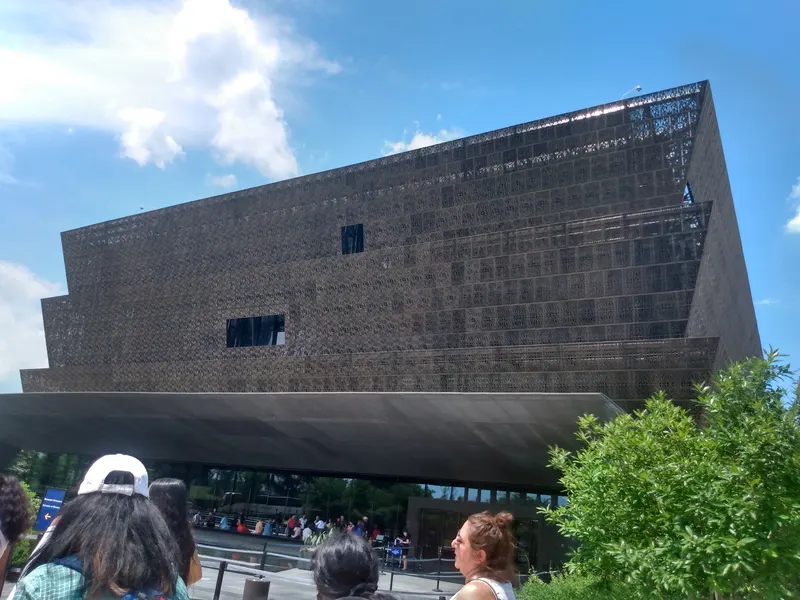
African American History Museum Guide
How to visit the National Museum of African American History & Culture on the Mall — the free timed-entry passes and how to get one, the deep underground history galleries, Sweet Home Café, the lines, how to pace an emotionally heavy visit, and the walk along the Mall.
Read guide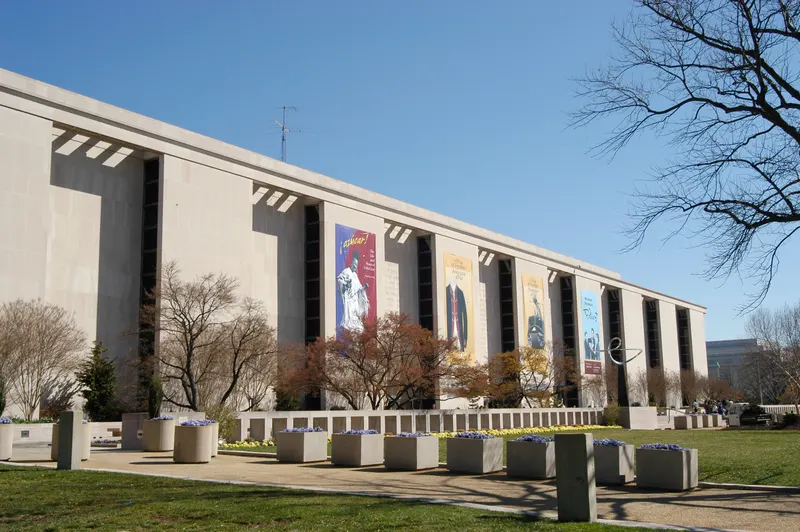
American History Museum Guide
How to visit the National Museum of American History on the Mall — the original Star-Spangled Banner, the First Ladies' gowns, the American presidency, the pop-culture icons, the food-court logistics, and how to time a visit around the school groups.
Read guideBest Museums in Washington, D.C.
Washington has more world-class museums than any sane trip can hold, and almost all of them are free. This is a guide to the best museums in DC sorted by topic, age, ticket needs, location and rainy-day value — so you can choose two or three with confidence instead of trying to see them all.
Read guide
Best Photography Spots in Washington, D.C.
Where to make great photographs in Washington — the monument reflections, the Tidal Basin blossoms, the Capitol and Lincoln axis, Georgetown's waterfront, hidden rooftops and the golden-hour and blue-hour routes that tie them together.
Read guide
Best Things to Do in Washington, D.C.
A ranked first-trip shortlist of the best things to do in Washington, D.C. — from the National Mall and the free Smithsonian museums to a Capitol tour, the Tidal Basin and Georgetown — built so you can pick a handful and still feel you saw the city.
Read guide
Best Viewpoints in Washington, D.C.
Where to find the best views in Washington — the high monuments and free towers, the rooftop bars and cultural terraces, and the river and hilltop overlooks across the Potomac, ranked by how much effort each one asks.
Read guide