
A Washington, D.C. Itinerary with Kids
A family-paced Washington, D.C. itinerary — short museum blocks at the free Smithsonians, the dinosaurs and the Hope Diamond, the National Zoo, the Mall carousel, plenty of food and bathroom breaks, stroller notes and fewer long walks, built so children and parents both enjoy the day.

Photo: Vinicius Brasil / Unsplash
- ✓Washington is one of the best big-city family trips in America — most of it is free, and much of it is built for kids.
- ✓The key is short museum blocks, not whole buildings: pick a few rooms, then get back outside.
- ✓Build the day around food, bathrooms and breaks — hungry, footsore children sink an itinerary fastest.
- ✓The free Smithsonian museums, the National Zoo and the Mall's open lawns do the heavy lifting.
- ✓Keep walks short: the Mall is bigger than it looks, so use the Metro and plan stroller-friendly routes.
How to pace DC with children
Washington is one of the easiest big cities in America to visit with kids — and one of the easiest to overdo. Nearly everything children love here is free: the Smithsonian museums, the National Zoo, the monuments and the wide-open lawns of the National Mall. The catch is scale. The Mall is bigger than it looks on a map, the museums are enormous, and the single fastest way to ruin a family day is to try to 'do' a whole building or walk the whole lawn in one go.
So the plan below is built on three rules. First, short museum blocks, not whole museums: choose a few specific things your children actually want to see — the dinosaurs, the Hope Diamond, a real spacecraft — see them well, and get back outside before the meltdown. The museums are free, so there is no pressure to extract your money's worth. Second, plan the day around food, bathrooms and breaks; a hungry, footsore child sinks an itinerary faster than any closure. Third, keep the walks short and use the Metro freely — a SmarTrip card covers rail and bus, and children under a certain age ride free (verify the current age).
Treat the timings as a rhythm, not a schedule, and be ready to bail on the last item of any block. A trip where you saw three rooms and everyone was happy beats a trip where you saw ten and nobody was.

Day 1, morning — Dinosaurs, gems and the Mall
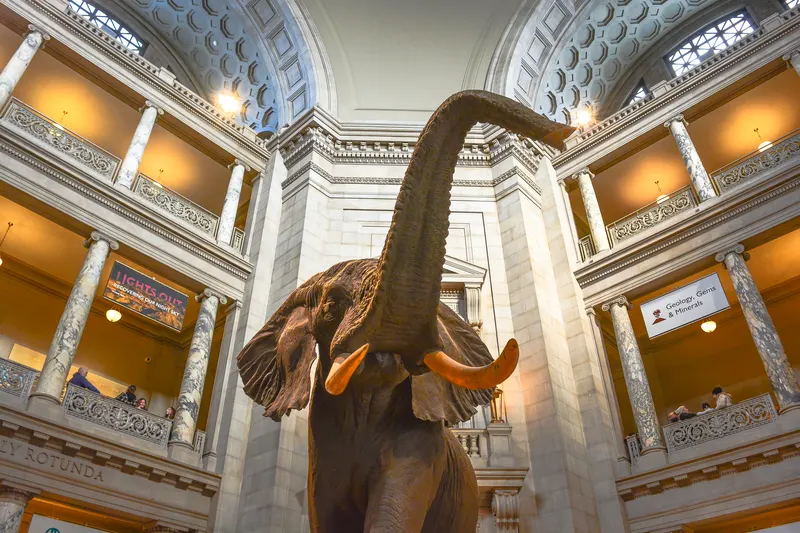
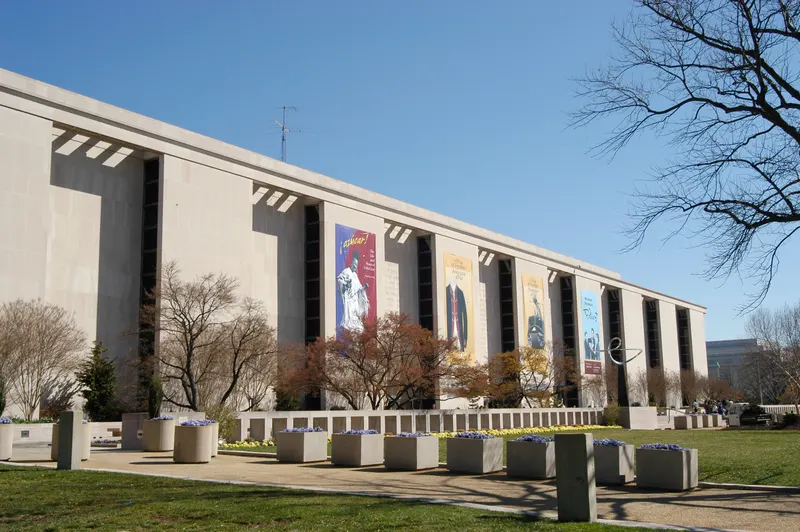
Start with the surest family win in the city: the National Museum of Natural History, on the Mall's north side. The dinosaur hall, the mammals, the insect zoo and the Hope Diamond are the crowd-pleasers, and most children will happily give it a couple of hours. Arrive at opening, when the big halls are calmest, and let the kids lead — but keep it to a block of an hour and a half or so, not the whole building. It is free, so you can come back tomorrow if they loved it.
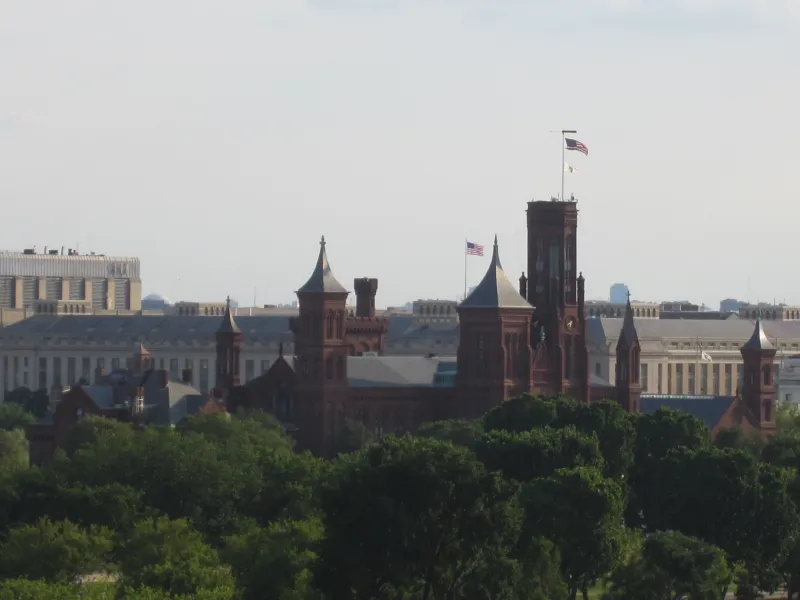
When energy dips, step straight out onto the Mall. The lawn between the museums is open space to run, and the Smithsonian Carousel sits right outside near the Smithsonian Castle — a small paid ride that buys a lot of goodwill (verify hours and price on site). The Castle's visitor centre is a good place to refill water bottles, find a bathroom and get your bearings.
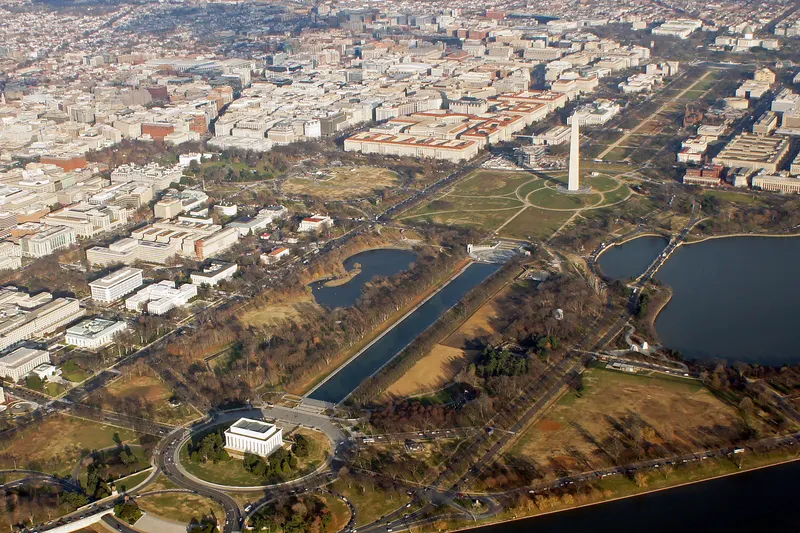
Keep the morning's walking short. The museums on the Mall's north side cluster close together, so you can move between them without crossing the whole lawn. If you have a stroller, the gravel paths are manageable but bumpy; the paved sidewalks along the edges are smoother. Most Smithsonian museums have lifts, family restrooms and stroller-friendly entrances, though bag checks and security screening at the doors can add a few minutes — factor that in with restless little ones.
A small tactic that saves the day: let each child pick one thing they most want to see before you go in, and make a beeline for it first. Children tolerate a museum far better when they have already seen 'their' dinosaur or 'their' diamond, and you can wander the rest at a relaxed pace afterward without the pressure of a must-see still hanging over you.
Day 1, midday and afternoon — Space, lunch and a break
After a real lunch — see below — cross to the Mall's south side for the National Air and Space Museum, where real rockets, planes and spacecraft are catnip for many children. Note that the museum has been undergoing a long renovation and uses free timed-entry passes, so book online before you go and check which galleries are open (verify close to your trip). If the timing does not work, the museum's larger sister site, the Udvar-Hazy Center, sits out near Dulles Airport and is a half-day trip in itself.
Lunch is worth planning rather than leaving to chance, because the on-Mall options are limited and pricey. The museum cafés are convenient but crowded; better value and variety lie a few blocks north in the Downtown grid, or you can carry a picnic and eat on the lawn, which most children prefer anyway. Either way, sit down properly at least once — it resets everyone.
Plan the afternoon to taper. By mid-afternoon, young children are usually done with marble and galleries, so head back toward your hotel for a rest, a pool swim or quiet time. A family day that ends with a calm late afternoon has far more in the tank for dinner — and for the monuments — than one that pushes through to closing.


Day 2, morning — The National Zoo
Give the second morning to the Smithsonian's National Zoo, a reliable family favourite that, like the museums, is free to enter (it uses free entry passes — verify, and note that parking is paid and limited). Come early: summer heat sends many animals into the shade and the children into a sweat, so the cooler morning hours are best for both. The big draws are the great apes, the big cats, the elephants and the small-mammal and reptile houses.
Two practical truths shape a Zoo visit with kids. First, it is built on a hill: the main path runs downhill from the Connecticut Avenue entrance, which is easy on the way in and a climb on the way out — plan strollers and tired legs accordingly. Second, it is car-free friendly: Woodley Park and Cleveland Park Metro stations sit at either end, so you can ride in and out without driving. A morning at the Zoo pairs naturally with a relaxed afternoon back near your hotel.
If your children are older or the Zoo does not appeal, swap in the U.S. Botanic Garden by the Capitol — a free, indoor-outdoor conservatory that is a gentle, stroller-easy hour — or a rainy-day museum (below). The point of day two is a softer pace after the museum-heavy first day.


Day 2, afternoon and evening — Easy wins and the monuments by dusk
Keep the second afternoon flexible and low-effort. Good family options that do not ask for much walking: the National Museum of American History (the Star-Spangled Banner, plus hands-on history galleries that suit a range of ages), a paid but very kid-friendly stop like the International Spy Museum near The Wharf for older children, or simply more time on the Mall with the carousel and the open grass. Match the choice to how the morning went.
Try to fit one early-evening monument visit before bedtime catches up with you. The Lincoln Memorial at dusk — climbing the steps, finding the seated marble Lincoln, looking back down the Reflecting Pool as the Washington Monument lights up — is a genuine wow even for small children, and the cooler, quieter evening light is far kinder than the midday heat. Keep it short, keep to the busy, well-lit paths, and head for an early dinner straight after.
Above all, protect bedtimes. A DC family trip is a marathon, not a sprint: better to see a little each day with rested children than to chase a full list and spend the evenings managing meltdowns. The city is generous enough that doing less still feels like plenty.
Rainy days have easy answers in DC, because so much of the family fun is already indoors. If the weather turns, simply swap the outdoor blocks for more museum time, the Botanic Garden conservatory, or one of the paid kid-magnets like the Spy Museum. Nothing in this plan depends on sunshine except the monuments at dusk, and those keep — they are just as moving on the next clear evening.


Getting around and keeping everyone fed
Lean on the Metro. Six colour-coded Metrorail lines reach the Mall, the Zoo and the neighbourhoods, a SmarTrip card covers rail and bus, and young children ride free up to a certain age (verify the current cutoff). For families this is transformative: it turns the city's long distances into short, sit-down rides and saves small legs for the sights themselves. Lifts at stations help with strollers, though they are not at every entrance, so check the station map if a stroller is along. Keep a folded stroller handy even for walkers — DC days are long, and a tired four-year-old is heavy.
Food is the other half of a happy family day, and DC rewards a little planning. The on-Mall options are thin and pricey, so carry snacks and water always, picnic on the lawn when the weather allows, and plan one proper sit-down meal a day in a neighbourhood — the Penn Quarter and Downtown grids are closest to the museums, and the city's food halls (Eastern Market, Union Market) are forgiving for picky eaters because everyone chooses their own. Refill water bottles at the museums and the Smithsonian Castle, especially in summer, when DC's heat and humidity catch families out fastest.

At a glance — planning a family trip
A quick planning summary for Washington, D.C. with kids. The plan assumes a base near a Metro station with easy Mall and Zoo access — Woodley Park, the Mall edge or the Downtown grid all work — so the days start and end with short journeys, not long ones. Almost everything is free; the exceptions are meals, the carousel, any paid museum or tour, and Zoo parking if you drive.
Reserve what genuinely needs it: free timed-entry passes for the Air and Space Museum and the National Zoo, and any paid attraction. Double-check museum and Zoo hours, the carousel's running times, and the current free-ride age for children on the Metro before you rely on them — these can change, so verify on the official sites close to your trip.
- Best for: families with younger and primary-school children; easily stretched for mixed ages.
- Day 1: Natural History (dinosaurs and the Hope Diamond), the Mall and carousel, Air and Space, an afternoon rest.
- Day 2: the National Zoo in the cool morning, an easy afternoon, the Lincoln Memorial at dusk.
- Pace: short museum blocks of around 90 minutes, frequent food and bathroom breaks, an afternoon rest each day.
- Getting around: lean on the Metro and SmarTrip; keep walks short; the Mall is bigger than it looks.
- Strollers: gravel Mall paths are bumpy — paved edges are smoother; the Zoo is hilly on the way out.
- Book ahead: free timed passes for Air and Space and the Zoo; verify museum and carousel hours and kids' Metro fares.

Related guides

Washington, D.C. Itineraries
Ready-made plans for Washington, D.C. — from a tight one day on the National Mall to a full long weekend, plus tailored routes for families, museum lovers, budgets and the cherry-blossom season.
Read guide
Washington, D.C. with Kids
Washington is one of the best-value family trips in America — free museums full of dinosaurs and rockets, monuments you can run between, a hillside zoo and wide-open lawns. This is a family-tested guide to things to do in DC with kids, with the museums that actually work, the parks and food breaks, and a sane way to pace it all.
Read guide
Family Hotels in Washington, D.C.
Washington is one of the best-value family trips in America, and the right hotel makes it effortless. This is a practical guide to family-friendly hotels in DC — the features that actually matter (space, breakfast, a pool, a short walk to Metro), the areas that suit families with kids of different ages, and how to turn a free-museum city into an easy, well-paced trip.
Read guideMore in Itineraries
6
A Weekend in Washington, D.C.
A Friday-to-Sunday Washington, D.C. weekend — where to base yourself, an arrival-night monuments walk, a full Saturday of the Mall, museums and a Capitol tour, a Sunday of brunch, the Tidal Basin and a neighbourhood, built around Metro access and slower evenings.
Read guide
Four Days in Washington, D.C.
An unhurried four-day Washington, D.C. itinerary — the Mall monuments and free Smithsonian museums, a Capitol tour and the founding documents, the Tidal Basin and Georgetown, then deeper museums, fuller neighbourhoods and a relaxed day trip to Arlington, Old Town Alexandria or Mount Vernon, with slower evenings throughout.
Read guide
Low-Walking Washington, D.C. Itinerary
A gentler way to see Washington, D.C. — a low-walking itinerary built for limited mobility, seniors, hot days and anyone who wants to avoid the long, exposed Mall marches. It leans on the Metro, on drop-offs and rideshare, on the few seated and short-distance options, and on the simple truth that the museums and many monuments can be seen well without crossing two miles of lawn on foot.
Read guide
Luxury Washington, D.C. Itinerary
Washington wears luxury quietly — grand historic hotels a block from the White House, chef's-counter tasting menus, private after-hours tours and a rooftop city of monument views. This is a high-end Washington, D.C. itinerary that pairs the free, world-class sights with the polish, ease and access that make the difference: where to stay, where to dine, what to book privately and how to fold in Mount Vernon in style.
Read guide
One Day in Washington, D.C.
A realistic single-day route through the capital — the western monuments early, one Smithsonian museum at midday, the Mall's headline sights, Capitol views and the monuments lit at dusk, all walkable and free.
Read guide
Summer Washington, D.C. Itinerary
How to plan Washington, D.C. in the heat — a summer itinerary that front-loads the monuments at dawn, retreats into the free, air-conditioned Smithsonian museums through the worst of the afternoon, and saves the neighborhoods, the waterfront and the lit memorials for the long evening. Built around shade, water and timing rather than a checklist, because in a DC July the schedule matters more than the sights.
Read guide