
One Day in Washington, D.C.
A realistic single-day route through the capital — the western monuments early, one Smithsonian museum at midday, the Mall's headline sights, Capitol views and the monuments lit at dusk, all walkable and free.

Photo: Casey Horner / Unsplash
- ✓One day in DC is tight but genuinely doable if you walk the Mall's two-mile axis, pick just one museum, and use the early and late hours well.
- ✓Start at the western monuments early, do one museum in the hot middle of the day, and finish with the monuments floodlit at dusk.
- ✓Almost everything on this route is free and needs no ticket — the only thing to sort ahead is a timed pass if you want a pass-only museum.
- ✓Wear real walking shoes and pack water: a proper one-day Mall route covers several miles on foot.
- ✓If you only remember one thing: see the monuments at the soft edges of the day and save the museums for midday.
Can you really see DC in a day?
You can't see all of Washington in a day — no one can, and trying is the surest way to ruin the day you have. But you can absolutely see the heart of it: the National Mall's headline monuments, one great museum, the views of the Capitol and the White House, and the marble lit up at dusk. That's a full, satisfying first taste of the capital, and because almost everything is free and packed into a walkable two-mile corridor, a single well-paced day delivers far more here than it would in most cities.
The trick is ruthless focus and good timing. This route is built around one rule: see the monuments at the soft edges of the day — early morning and dusk, when they're quiet and beautifully lit — and spend the hot, crowded middle of the day inside a single museum. Do that and you avoid the two classic one-day mistakes: wilting in the midday sun on the open Mall, and burning your best energy trying to 'do' a vast museum you should be dipping into. Below is a step-by-step plan you can follow as written, with swaps for families, museum lovers and bad weather.
A word on effort before you start. A real one-day Mall route covers several miles on foot — the Mall is bigger on the ground than it looks, and the monuments are farther apart than the map suggests. Wear genuine walking shoes, pack a refillable water bottle, dress for the weather (summer is hot and humid; winter is cold and the wind off the open lawn bites), and accept that you'll be tired and happy by the end. This is a walking day. Lean into it.


Before you go — the one thing to book
The beauty of a one-day DC plan is how little you need to arrange: the Smithsonian museums, the National Gallery, the monuments and the Mall are all free and walk-in, so you can show up and go. The single exception is timed-entry passes. A few of the most popular museums — the National Museum of African American History & Culture and the National Air and Space Museum among them — release free timed passes online, and they go fast. If one of those is your chosen museum for the day, check the official site for how passes are released and grab one before you arrive; otherwise pick a walk-in museum (most of them) and keep the day flexible.
Everything else you can decide on the day. You don't need a tour, a car or advance tickets for this route — just a charged phone, a transit card and good shoes. If you'd like to add a ticketed sight like the Washington Monument, note that those passes release on their own schedules and may sell out, so treat them as a nice-to-have rather than the spine of the day. Always verify opening hours and pass rules on official sites close to your visit, since they change and some sites close on particular days.
- Almost everything on this route is free and walk-in — the museums, monuments and Mall need no ticket.
- The exception: a few popular museums use free timed passes (book online ahead) — or just pick a walk-in one.
- No tour or car needed; bring a charged phone, a SmarTrip transit card and real walking shoes.
- Ticketed extras (e.g. the Washington Monument) release passes on their own schedules — treat as optional.
- Verify hours and pass rules on official sites close to your visit; some attractions close certain days.

Morning — start at the western monuments
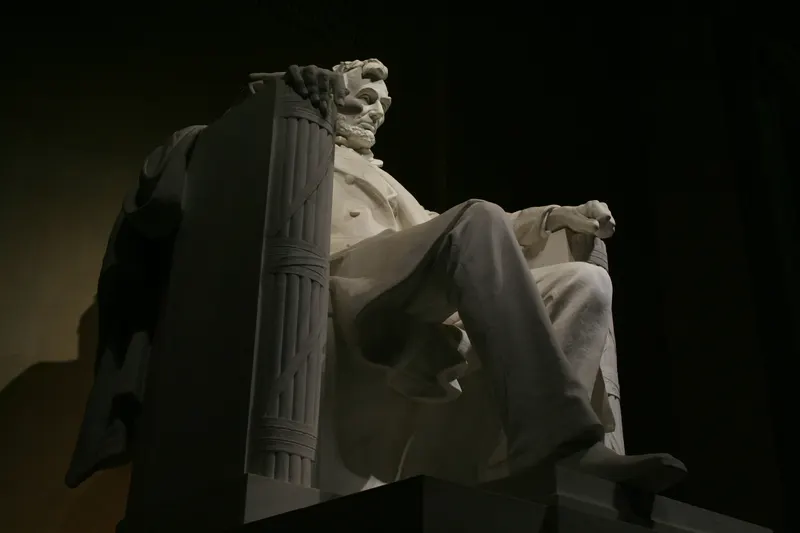
Begin early at the western end of the Mall, where the most powerful cluster of monuments stands and where the early hour pays off most. Start at the Lincoln Memorial: climb the steps, stand where countless famous speeches have been given, and look back east down the Reflecting Pool toward the Washington Monument — it's the city's signature view, and at this hour it's calm and golden. From there, the surrounding memorials are a short, moving walk apart: the Vietnam Veterans Memorial's black granite Wall, the Korean War Veterans Memorial, and the World War II Memorial with its fountains at the foot of the pool.
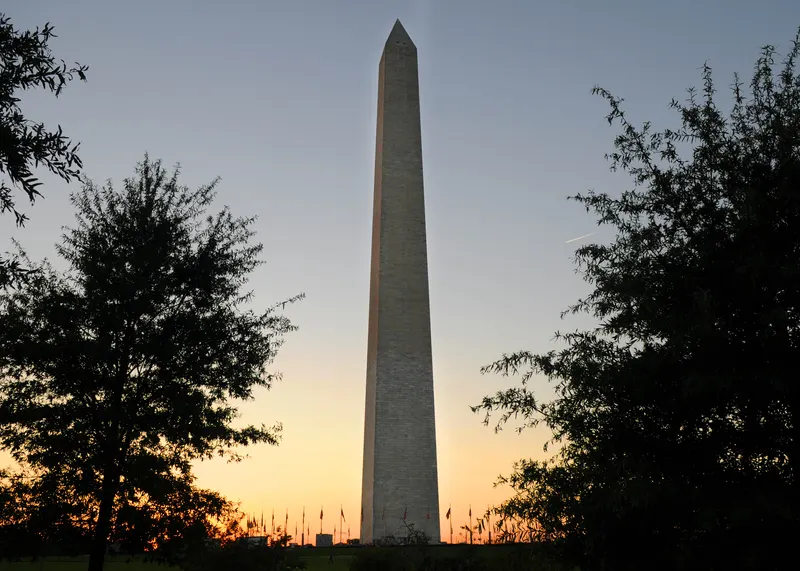
Walk this western cluster as a loop rather than a checklist, giving each memorial a few quiet minutes; together they make the emotional core of the day, and the early start means you'll often have stretches of them to yourself. When you're ready, head toward the Washington Monument at the centre of the Mall — the obelisk you can see from everywhere, and the city's pivot point. Whether or not you go up (that needs a timed pass and isn't essential), the grounds give you the best 360-degree sense of how the whole city is laid out around this single spire.
From the Monument, you're well placed to drop south to the Tidal Basin if you have the legs and the time — the Jefferson Memorial, the Martin Luther King Jr. Memorial and the FDR Memorial ring the water, and in late March or early April the cherry blossoms are here. The basin is a beautiful detour but a real one in terms of distance, so treat it as an optional extension for fast walkers; if you'd rather conserve energy for the afternoon and evening, save it and head straight for a museum. Either way, aim to be moving indoors as the day heats up.
- Start early at the Lincoln Memorial — the steps, the Reflecting Pool view back toward the Monument.
- Loop the nearby memorials: Vietnam Veterans (the Wall), Korean War, World War II.
- Walk to the Washington Monument at the Mall's centre for the best sense of the city's layout.
- Optional for fast walkers: a Tidal Basin detour for the Jefferson, MLK and FDR memorials (and spring blossoms).
- Be heading indoors as the day heats up — the open Mall is brutal at midday in summer.
Midday — pick one museum and dip in
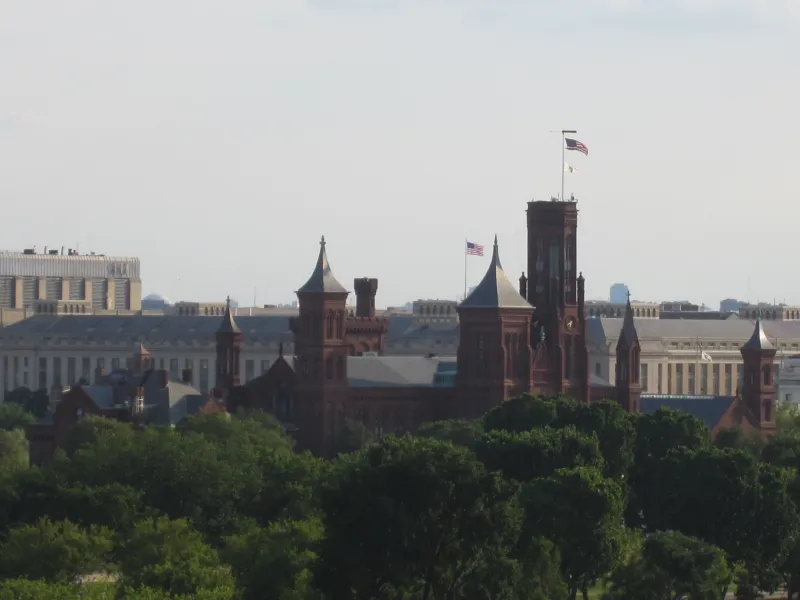
Spend the hot, busy middle of the day inside a single museum — and the operative word is single. The Smithsonian museums lining the Mall are enormous, free and superb, but they're also the fastest way to exhaust yourself if you try to 'do' a whole building. Pick one museum that matches your interests, choose two or three things you actually want to see within it, see them well, and walk back out. Because it's free, there's no pressure to get your money's worth in a marathon visit; the right move is a focused 90 minutes to two hours, not a death march through every gallery.
Which one? For a first-timer, the most popular choices are the National Air and Space Museum (the Wright Flyer, the spacecraft — note it uses free timed passes, so book ahead), the National Museum of Natural History (dinosaurs, the Hope Diamond, the gem hall — walk-in), and the National Museum of American History (the Star-Spangled Banner, the First Ladies' gowns — walk-in). The National Museum of African American History & Culture is one of the most powerful but needs a free timed pass and more time. If art is your thing, the National Gallery of Art (also free) is just across the lawn. Choose by interest, not by fame, and you'll enjoy it more.
Build a real lunch into this block. Food on the Mall itself is mostly forgettable museum-cafeteria fare, so either eat in the museum café and move on, or — better, if your route allows — step a couple of blocks off the lawn toward Penn Quarter or L'Enfant Plaza for something proper. On a one-day plan, a quick, decent lunch beats a long, mediocre one; you want fuel for the afternoon, not a two-hour sit-down that eats your remaining daylight.
- Pick one museum, see two or three things within it, then leave — don't try to finish a building.
- Popular walk-in picks: Natural History (dinosaurs, Hope Diamond) and American History (Star-Spangled Banner).
- Air & Space and the African American History museum need free timed passes — book ahead or choose a walk-in one.
- Art lovers: the National Gallery of Art is free and just across the Mall.
- Eat a quick, decent lunch — museum café or a couple of blocks off the Mall — rather than a long midday meal.

Afternoon — the Mall's headline sights and the views
After the museum, use the cooler late-afternoon hours to take in the Mall's two great institutional bookends and the city's famous views, all from the outside. Walk east toward the U.S. Capitol — its dome closes the Mall's grand axis, and the grounds and the west front offer the classic view back down the lawn toward the Monument and the Lincoln Memorial. Even without a tour (which needs a free reserved pass arranged ahead), the Capitol from its grounds is one of the day's best photo stops and a powerful sense of where the country is governed from.
Then swing toward the White House. The closest public vantage is from Lafayette Square to the north or the Ellipse to the south, with the White House Visitor Center nearby if you want context and exhibits. Actual White House tours require a request made far in advance through your member of Congress or embassy and are never guaranteed, so for a one-day trip plan to see it from the fence rather than the inside — the view from Pennsylvania Avenue still delivers. If you have energy and time, the National Archives (the Declaration, Constitution and Bill of Rights) and Ford's Theatre sit between the Capitol and the White House and make excellent quick additions.
This is also the natural point to fold in any single ticketed or pass-based sight you've booked — going up the Washington Monument, say — since the afternoon light is good and the timing is flexible. But don't overstuff this block: the goal is to enjoy the views and the architecture at a relaxed pace, banking enough energy for the evening, which is the day's quiet showstopper. If you're flagging, sit in the shade, refill your water, and let the afternoon be lighter than the morning.
- Walk east to the U.S. Capitol — the dome closes the Mall, and the grounds give the classic axis view.
- See the White House from Lafayette Square or the Ellipse; the Visitor Center adds context. Inside tours need long-advance requests.
- Quick add-ons between them: the National Archives (founding documents) and Ford's Theatre.
- Fold any booked ticketed sight (e.g. going up the Monument) into the flexible afternoon.
- Don't overstuff this block — bank energy for the evening, the day's real highlight.


Evening — the monuments after dark
If the morning is the day's emotional core, the evening is its showstopper — and the part most one-day visitors skip and regret. The monuments on the western Mall are open and floodlit through the night, the crowds fall away after sunset, and the marble lit against a dark sky is genuinely unforgettable. Time your day so you're back at the western end for sunset: the Lincoln Memorial steps at dusk, looking down the Reflecting Pool with the Washington Monument lit beyond, is the single best free moment in the city, and it costs nothing but the discipline to still be standing at the end of a long day.
Make a slow loop of the lit memorials in the blue hour and after — the Lincoln, the World War II, the Korean War (especially atmospheric after dark), and the Vietnam Wall. If you have a little more in the tank, the Tidal Basin at blue hour gives you the Jefferson Memorial mirrored in the water, lit and quiet. This evening walk is safe and well-travelled on the main monument paths, but use normal city sense after dark, stick to the lit, populated routes, and keep an eye on the last Metro times if you're relying on rail to get back. If walking the monuments at night appeals but you'd rather not navigate alone, an evening monuments tour does the route for you.
Close the day with dinner off the Mall, because the lawn has nothing worth eating after hours. A short Metro ride drops you into the city's real food neighbourhoods — Penn Quarter for convenience, 14th Street and Shaw for buzz, the Wharf or Georgetown for a waterside table. After a day on your feet you've earned a proper sit-down meal; pick a neighbourhood near your hotel or your last monument, and let the evening end somewhere with a chair and a kitchen rather than a third lap of the Mall.
- Be back at the western monuments for sunset — the Lincoln steps at dusk are the best free moment in DC.
- Loop the floodlit memorials in the blue hour: Lincoln, World War II, Korean War, the Vietnam Wall.
- Optional: the Tidal Basin at blue hour for the lit Jefferson Memorial mirrored in the water.
- Stick to lit, populated paths after dark, use city sense, and watch the last Metro times.
- Dinner off the Mall — Penn Quarter, 14th Street/Shaw, the Wharf or Georgetown — you've earned a real meal.

Swaps for families, museum lovers and bad weather
Adapt the route to who you are and what the sky is doing. With young children, shorten everything: do a trimmed western-monuments loop, swap the dense museum for the most kid-proof one (Natural History's dinosaurs and the Air & Space spacecraft are reliable winners), build in more breaks and snacks, and consider skipping the evening loop if bedtime looms — or doing just the Lincoln Memorial at dusk and calling it there. The Mall is stroller-friendly but long, so plan around tired legs and the nearest Metro stops.
Museum lovers can flip the weighting: cut the monument loop to its essentials (Lincoln, the Wall, the Monument view) and spend a longer, deeper midday-to-afternoon block across two free museums or one museum plus the National Gallery, then catch just the Lincoln at dusk to bookend the day. And if it rains or the heat is brutal, invert the whole plan — make the museums and the National Archives the spine of the day, dash between them on the Metro, and treat the monuments as quick photo stops between downpours. The museums are DC's all-weather insurance, and they're free, so a wet one-day trip is still a great one.
- Families: trim the monument loop, pick the most kid-proof museum, add breaks, and maybe do only the Lincoln at dusk.
- Museum lovers: cut the monuments to essentials and spend longer across two free museums or the National Gallery.
- Rain or extreme heat: flip the day — museums and the Archives as the spine, monuments as quick stops.
- The free museums are the all-weather fallback, so a wet or hot one-day trip still works well.


Timing, transport and a few common questions
On a one-day trip the clock is your tightest constraint, so a little timing logic goes a long way. Aim to be on the western Mall not long after sunrise, give the monuments roughly two hours, the midday museum about two, the Capitol-and-White-House afternoon loop another two or three with lunch folded in, and then be back at the western end for sunset. That's a long but achievable day. If you arrive late or have an evening departure, simply trim from the middle — cut to one museum highlight or skip the White House — rather than sacrificing the dawn monuments or the dusk lighting, which are the bookends that make the day.
For transport, the Metro is your friend at the start and end of the day and for the dinner hop, but the heart of the Mall route is on foot — the monuments are too close together to bother with rail between them and too far apart to ignore the distance, so good shoes do most of the work. The nearest Metro stations sit at the edges of the Mall rather than in the middle of it, so plan to walk in and out. A SmarTrip card covers rail and bus; keep some battery on your phone for maps and an eye on the last train if you're staying out for the night monuments.
A few questions come up again and again. Is one day enough? For the heart of the city, yes — but it's a full, walking-heavy day, so don't expect to also fit a day trip or more than one museum. Do you need to pay for anything? Almost nothing — the route is built from free sights, with timed passes (free) the only thing to consider booking. What's the one unmissable moment? The Lincoln Memorial at dusk, looking down the Reflecting Pool with the Monument lit beyond. And what should you skip if you're short on time? The Tidal Basin detour and the inside of any single building — see the founding sights from outside and bank the energy for the evening. As always, verify hours and any pass rules on official sites close to your visit.
- Rough timing: monuments ~2h in the morning, one museum ~2h midday, the federal-views loop ~2–3h with lunch, sunset back west.
- Arriving late or leaving in the evening? Trim from the middle — protect the dawn monuments and the dusk lighting.
- Walk the Mall's core; use the Metro for the start, the end and the dinner hop. Stations sit at the Mall's edges.
- One day is enough for the heart of the city, but not for a day trip or a second museum.
- Unmissable: the Lincoln Memorial at dusk. Skip if short: the Tidal Basin detour and going inside any one building.
At a glance — the one-day plan
The whole day in one card. Hours and pass rules change, so confirm the specifics on official sites before you go, and adjust the pace to your own legs.
- Morning: western monuments early — Lincoln, the Reflecting Pool, the war memorials, the Washington Monument.
- Midday: one museum, two or three things within it, plus a quick lunch off the Mall.
- Afternoon: the Capitol and White House from outside, with the Archives or Ford's Theatre if time allows.
- Evening: the monuments floodlit at dusk — the Lincoln steps at sunset are the day's high point.
- Dinner: off the Mall, in a real food neighbourhood, after you've earned it.
- Book ahead only if your chosen museum needs a free timed pass; wear real shoes and carry water.
Related guides
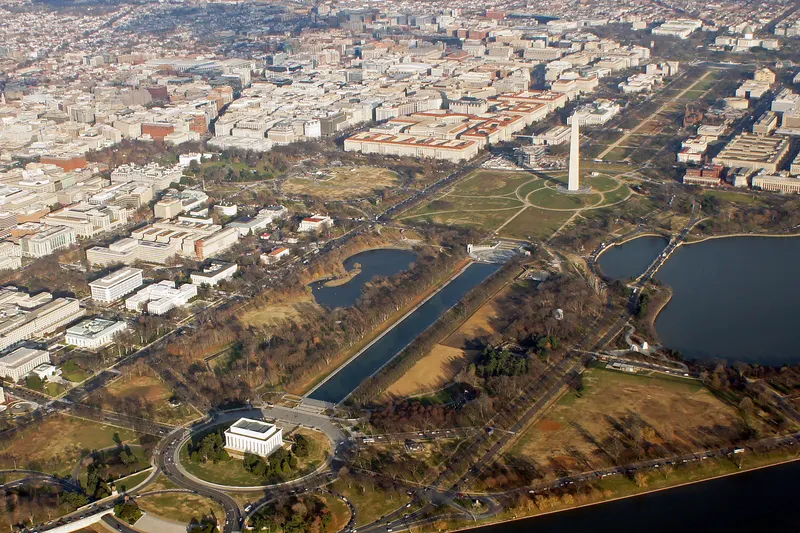
National Mall Guide, Washington, D.C.
How to plan the National Mall by section — the real walking distances, where the monuments and museum stops sit, and where to find shade, food, bathrooms, the nearest Metro and the best night routes.
Read guide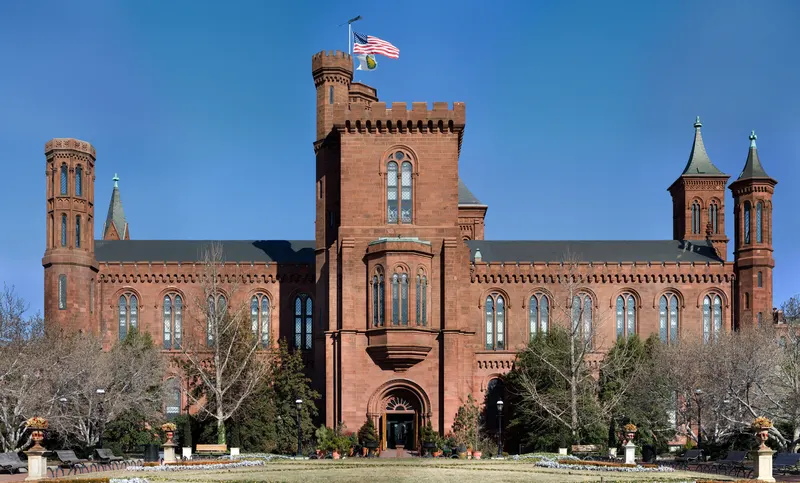
Smithsonian Museums Guide
How to plan a sane day across Washington's free Smithsonian museums — which to prioritise by interest and age, which need free timed-entry passes, how long each really takes, where to eat, and how the buildings line up along the National Mall.
Read guide
Washington, D.C. Monuments by Night
An atmospheric, sensible evening route through Washington's floodlit memorials — the Lincoln, the war memorials, the Tidal Basin loop and the Washington Monument — with self-guided and guided-tour options, and honest safety advice.
Read guideMore in Itineraries
6
A Washington, D.C. Itinerary with Kids
A family-paced Washington, D.C. itinerary — short museum blocks at the free Smithsonians, the dinosaurs and the Hope Diamond, the National Zoo, the Mall carousel, plenty of food and bathroom breaks, stroller notes and fewer long walks, built so children and parents both enjoy the day.
Read guide
A Weekend in Washington, D.C.
A Friday-to-Sunday Washington, D.C. weekend — where to base yourself, an arrival-night monuments walk, a full Saturday of the Mall, museums and a Capitol tour, a Sunday of brunch, the Tidal Basin and a neighbourhood, built around Metro access and slower evenings.
Read guide
Four Days in Washington, D.C.
An unhurried four-day Washington, D.C. itinerary — the Mall monuments and free Smithsonian museums, a Capitol tour and the founding documents, the Tidal Basin and Georgetown, then deeper museums, fuller neighbourhoods and a relaxed day trip to Arlington, Old Town Alexandria or Mount Vernon, with slower evenings throughout.
Read guide
Low-Walking Washington, D.C. Itinerary
A gentler way to see Washington, D.C. — a low-walking itinerary built for limited mobility, seniors, hot days and anyone who wants to avoid the long, exposed Mall marches. It leans on the Metro, on drop-offs and rideshare, on the few seated and short-distance options, and on the simple truth that the museums and many monuments can be seen well without crossing two miles of lawn on foot.
Read guide
Luxury Washington, D.C. Itinerary
Washington wears luxury quietly — grand historic hotels a block from the White House, chef's-counter tasting menus, private after-hours tours and a rooftop city of monument views. This is a high-end Washington, D.C. itinerary that pairs the free, world-class sights with the polish, ease and access that make the difference: where to stay, where to dine, what to book privately and how to fold in Mount Vernon in style.
Read guide
Summer Washington, D.C. Itinerary
How to plan Washington, D.C. in the heat — a summer itinerary that front-loads the monuments at dawn, retreats into the free, air-conditioned Smithsonian museums through the worst of the afternoon, and saves the neighborhoods, the waterfront and the lit memorials for the long evening. Built around shade, water and timing rather than a checklist, because in a DC July the schedule matters more than the sights.
Read guide