
White House Visitor Center & Viewpoints
The free, no-ticket way to experience the White House — the Visitor Center's exhibits, the best public views from Pennsylvania Avenue and Lafayette Square, and how it all fits with a tour request.
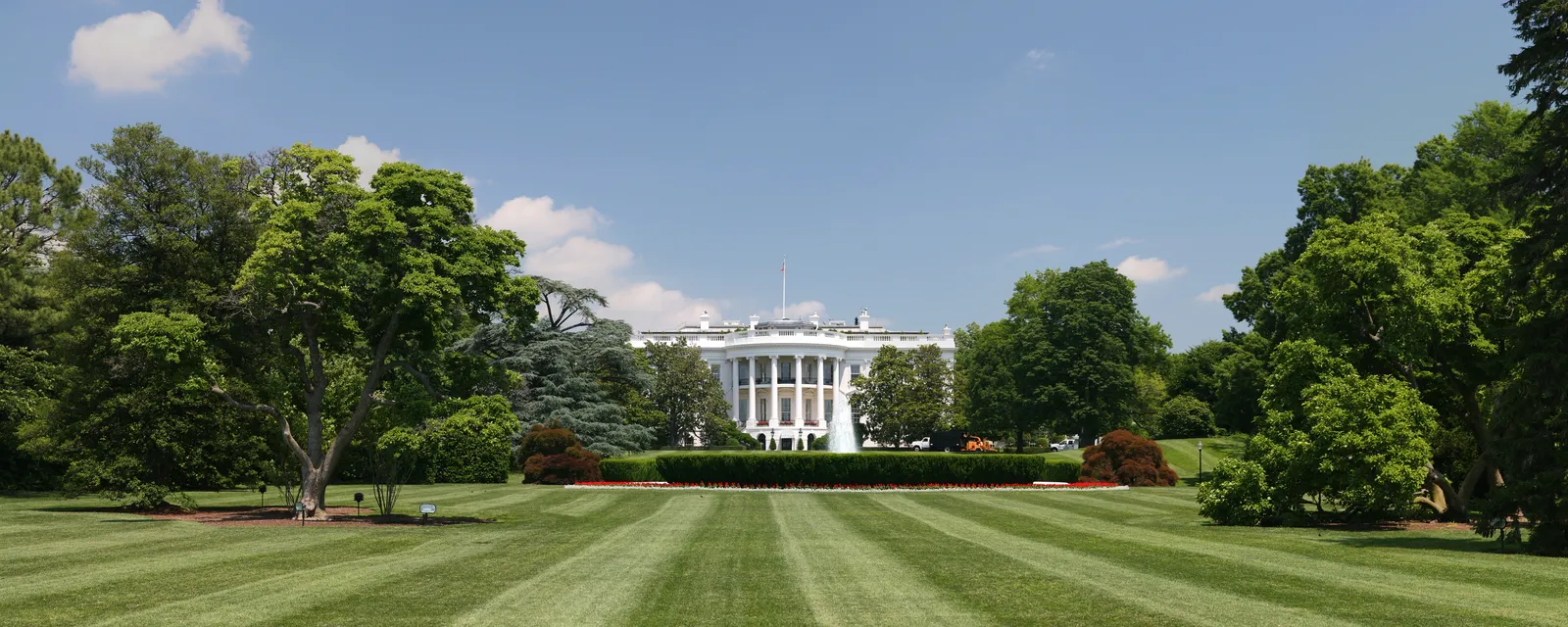
Photo: Daniel Schwen / Wikimedia Commons · CC BY-SA 3.0
- ✓The White House Visitor Center is free, needs no ticket and no congressional request, and is open to everyone — the easy way to experience the house when a tour isn't on the cards.
- ✓Its galleries hold artefacts, a film and exhibits on the building's architecture, history and the families who have lived there, run by the National Park Service and the White House Historical Association.
- ✓For the classic North Portico view, stand at the fence on Pennsylvania Avenue; for the South Lawn and rounded South Portico, walk around to the Ellipse and E Street.
- ✓Lafayette Square, the park directly north of the house, is the calm, leafy place to sit and take in the facade.
- ✓The center sits a short walk from the Mall, the National Archives and Penn Quarter, so it slots neatly into a downtown day.
The White House you can always see
A public tour of the White House is hard to get and harder to time — it runs only on request through a member of Congress or an embassy, with no tickets sold and no guarantees. The good news is that none of that stands between you and the building itself. The White House is one of the most recognisable houses on earth, and you can stand close enough to photograph it, learn its whole story, and feel you have properly visited, all without a single ticket or request.
The two pieces of that free experience are the views from the public sidewalks around the grounds and the White House Visitor Center a couple of blocks south. Taken together they make a self-contained morning or afternoon that needs no planning beyond turning up — which, in a city where the headline sights so often demand a timed pass, is a genuine relief.


Inside the Visitor Center
The White House Visitor Center occupies the grand Patrick V. McNamara setting of a historic federal building south of the house, and it is run jointly by the National Park Service and the nonprofit White House Historical Association. Admission is free and no ticket or reservation is required — you simply walk in through security, which is lighter than the screening for an actual tour.
Inside, the galleries are organised around the building rather than around politics: how the house was designed and built, how it has been altered and rebuilt over two centuries, the rooms and their furnishings, and the everyday life of the families and staff who have made it a home as well as an office. There are original artefacts and objects connected to past administrations, interactive displays, and a film that introduces the building's history. It is the kind of place you can move through quickly or linger in, and because it is free there is no pressure either way.
Plan a comfortable hour or so if you want to watch the film and read the exhibits properly, less if you are passing through. The center also has the practical comforts that the rest of a White House visit lacks — a place to step out of the weather, restrooms, and a shop run by the Historical Association whose proceeds support the preservation of the house.
- Free admission, no ticket and no congressional request needed — just walk in.
- Exhibits cover the architecture, history, rooms and the families and staff of the White House.
- Allow roughly an hour to do the film and galleries justice; less for a quick look.
- Indoor comfort, restrooms and a museum shop make it a useful base on a long downtown day.
- Hours and exhibit details can change — verify on the official site before a special trip.
Where to stand for the best views
The picture-postcard view — the columned North Portico, the north fountain and the long lawn — is taken from the public sidewalk on the closed-to-traffic stretch of Pennsylvania Avenue directly in front of the house. This is where the crowds gather, where the railings frame the shot, and where you'll get the image most people picture when they think of the White House. Come early or late in the day and you'll have more room and softer light.
For the other face of the house, walk around to the south side. From the Ellipse — the open green just south of the grounds — and along E Street you look across the South Lawn to the rounded South Portico and the curved Truman Balcony, a quite different and less photographed angle. The two views are a short, flat walk apart, and seeing both gives you the full shape of the building in a way a single side never does.
Don't overlook Lafayette Square, the historic park directly north of the house across Pennsylvania Avenue. It is the calm counterpoint to the railings — leafy, lined with statues and grand old buildings, and the natural place to sit for a few minutes and take the facade in rather than just snapping it. Together the north fence, the south lawn view and the square make a satisfying slow loop of the exterior.
- North Portico (the classic shot): the Pennsylvania Avenue fence, directly in front of the house.
- South Lawn & South Portico: from the Ellipse and along E Street on the south side.
- Lafayette Square: the park just north, for a calmer, seated view of the facade.
- Early morning and the hour before dusk give the best light and the smallest crowds.
How it fits with a tour request
If you have requested a public tour through your representative or embassy, the Visitor Center is the ideal complement: it fills in the history and the rooms you move through quickly on the brisk self-guided walk, so doing the center first or after deepens the tour considerably. Many people find the center actually tells them more than the tour does, precisely because you can linger.
If your tour hasn't come through — or you never requested one — the center plus the exterior views are not a consolation prize so much as a complete experience in their own right. You will have seen both faces of the house, sat in Lafayette Square, watched the film, read the story of the building and walked away with the photographs everyone wants. For most visitors on a tight DC schedule, that is the sensible plan, and it costs nothing.
Getting there and planning the day
The White House sits at the top of downtown, an easy walk from the National Mall and the museums. The closest Metro stations are within a few blocks — verify the current best stop and any service changes on WMATA before you set out, since the surrounding streets see frequent closures for events and security. On foot, it links naturally to the National Archives, the Smithsonian museums and the lively restaurants of Penn Quarter just to the east.
Because security cordons and street closures around the house can shift at short notice, keep your plan flexible. The Visitor Center and the fence views are robust to most disruptions, but it's worth checking official notices the morning of if you're making a special trip. Build the White House into a downtown loop rather than a standalone errand, and a closure or a crowd won't derail the day.
- Walkable from the Mall, the National Archives and Penn Quarter — easy to combine into one day.
- Check WMATA for the current closest Metro station and any service changes before you go.
- Street closures and security cordons around the house are common and can change with no notice.
- Build it into a downtown loop so a closed street or a crowd doesn't undo your plans.
Common questions
Do I need a ticket for the White House Visitor Center? No. The center is free and open to all, with no ticket and no congressional request required — just walk in through security.
Is the Visitor Center the same as a White House tour? No. The center is a separate, freely accessible museum about the house. A tour of the house itself must be requested in advance through a member of Congress or an embassy.
Where do I get the classic photo of the White House? From the public sidewalk on Pennsylvania Avenue directly in front of the North Portico, where the railings frame the view.
Can I see the South Lawn? Yes — walk around to the Ellipse and E Street on the south side for the South Portico and lawn view.
How long should I plan? Allow about an hour for the Visitor Center plus time to walk the exterior views; together they make an easy half-day combined with nearby sights.
Are hours fixed? Hours and exhibits can change, and street closures around the house are common — verify on the official NPS and WMATA pages before a special trip.

Related guides

White House Tour Guide
How a public White House tour actually works — who can request one, how far ahead to ask, what security to expect, the realistic odds, and the views you can have without a ticket.
Read guide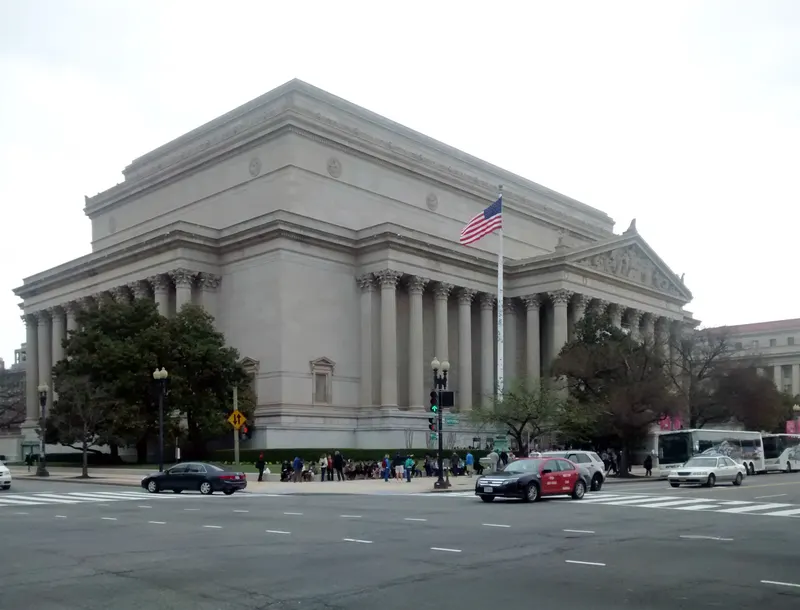
National Archives Museum Guide
How to see the Declaration of Independence, the Constitution and the Bill of Rights at the National Archives in Washington — free entry, the timed-reservation option, the best times to beat the crowds, and what else is in the museum.
Read guide
Downtown & Penn Quarter, Washington, D.C.
The most central place to stay in Washington — Penn Quarter and the surrounding downtown, where the free museums, the big theatres, the arena, the restaurants and four Metro lines all sit within a few walkable blocks of the National Mall.
Read guideMore in Things to Do
6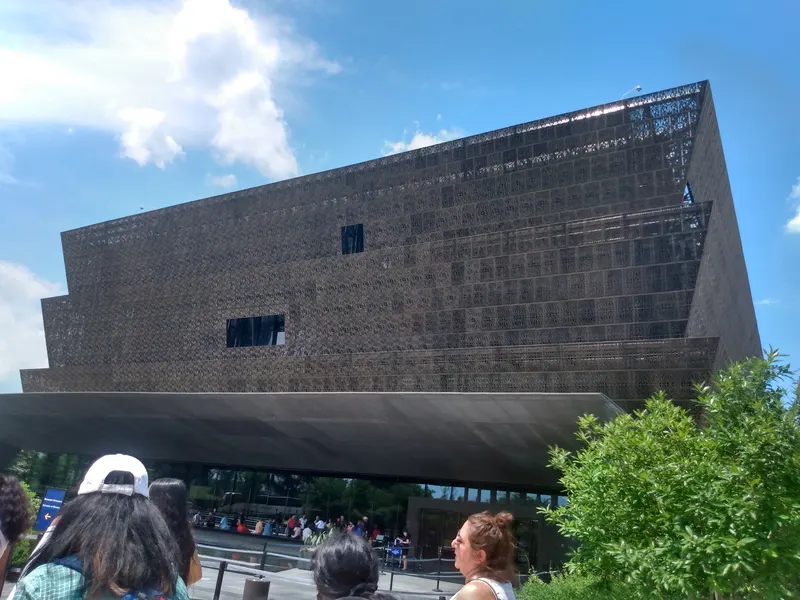
African American History Museum Guide
How to visit the National Museum of African American History & Culture on the Mall — the free timed-entry passes and how to get one, the deep underground history galleries, Sweet Home Café, the lines, how to pace an emotionally heavy visit, and the walk along the Mall.
Read guide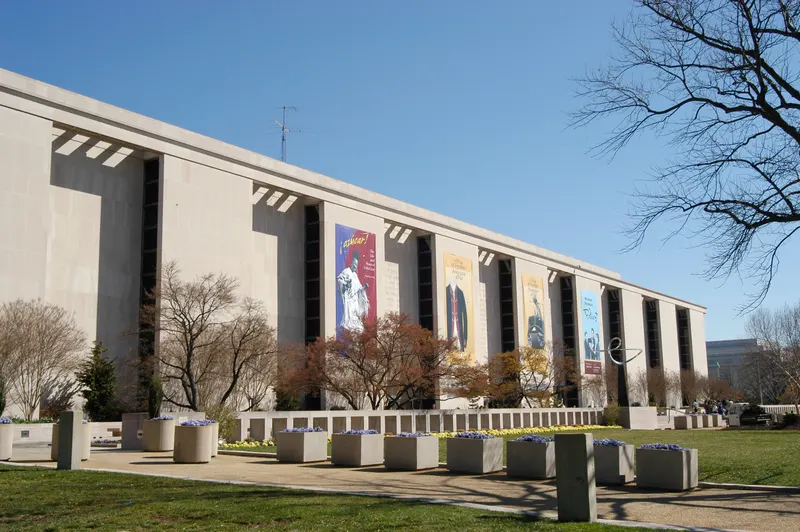
American History Museum Guide
How to visit the National Museum of American History on the Mall — the original Star-Spangled Banner, the First Ladies' gowns, the American presidency, the pop-culture icons, the food-court logistics, and how to time a visit around the school groups.
Read guide
Best Museums in Washington, D.C.
Washington has more world-class museums than any sane trip can hold, and almost all of them are free. This is a guide to the best museums in DC sorted by topic, age, ticket needs, location and rainy-day value — so you can choose two or three with confidence instead of trying to see them all.
Read guide
Best Photography Spots in Washington, D.C.
Where to make great photographs in Washington — the monument reflections, the Tidal Basin blossoms, the Capitol and Lincoln axis, Georgetown's waterfront, hidden rooftops and the golden-hour and blue-hour routes that tie them together.
Read guide
Best Things to Do in Washington, D.C.
A ranked first-trip shortlist of the best things to do in Washington, D.C. — from the National Mall and the free Smithsonian museums to a Capitol tour, the Tidal Basin and Georgetown — built so you can pick a handful and still feel you saw the city.
Read guide
Best Viewpoints in Washington, D.C.
Where to find the best views in Washington — the high monuments and free towers, the rooftop bars and cultural terraces, and the river and hilltop overlooks across the Potomac, ranked by how much effort each one asks.
Read guide