
Lincoln Memorial Guide, Washington, D.C.
When to visit the Lincoln Memorial, the views from its steps, how to reach it by Metro, the Reflecting Pool route and what to notice inside — the marble statue, the Gettysburg Address and the history made on these steps.
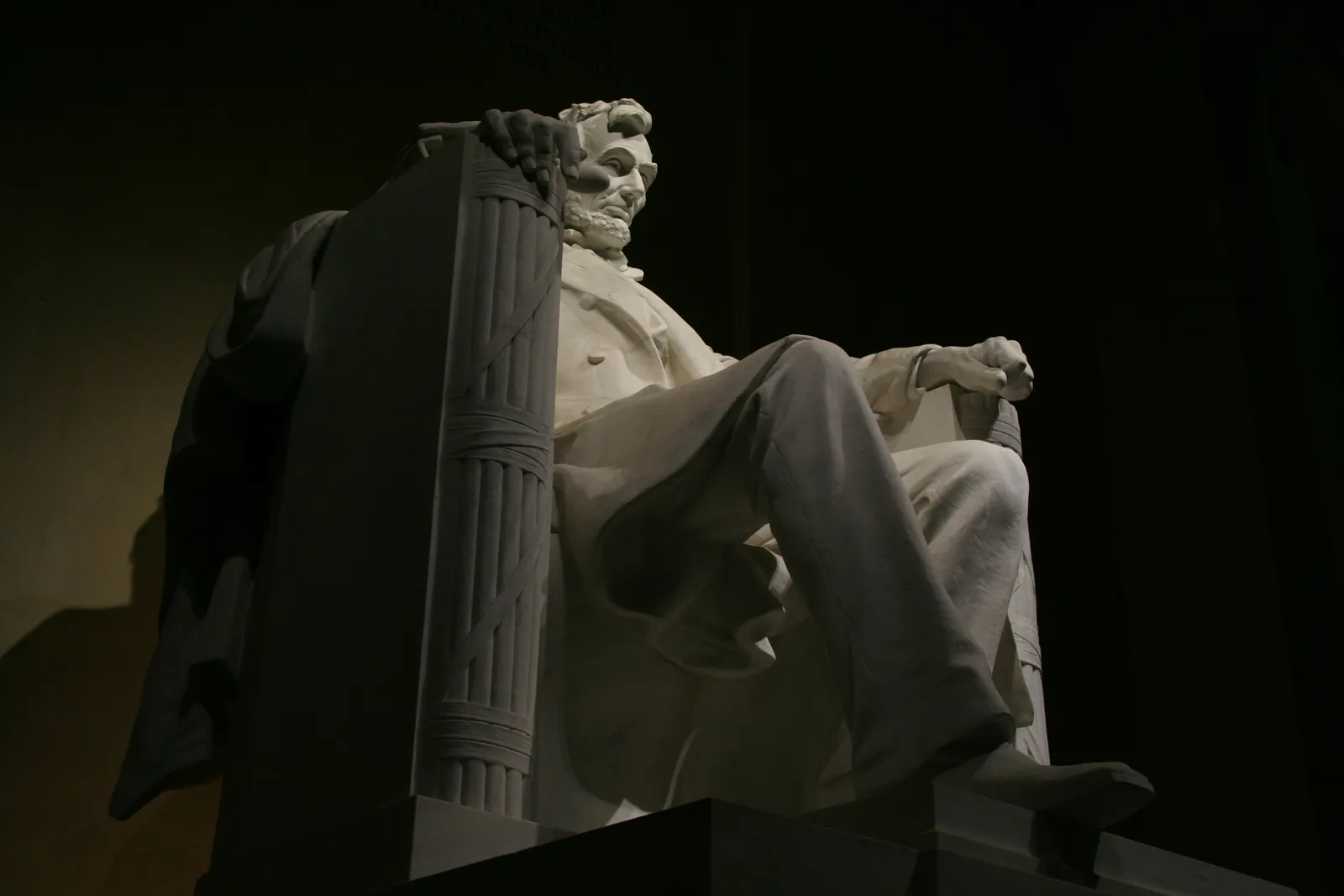
Photo: Gregory Varnum / Wikimedia Commons · CC BY-SA 3.0
- ✓Free, outdoors and open through the night — the best free view in DC is from these steps.
- ✓Daniel Chester French's seated Lincoln is nineteen feet of white Georgia marble inside a Doric temple.
- ✓The Gettysburg Address and the Second Inaugural are carved on the side walls.
- ✓These are the steps where Marian Anderson sang in 1939 and Dr. King delivered 'I Have a Dream' in 1963.
- ✓Come at dawn or after dark for the quietest, most moving experience.
Why the Lincoln Memorial is the heart of the Mall
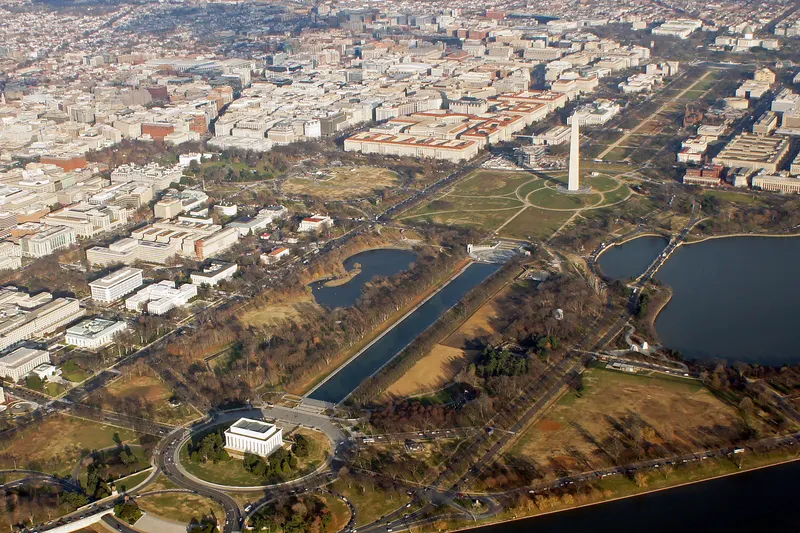
Of all Washington's memorials, the Lincoln is the one most visitors carry home. It sits at the western head of the National Mall, a great white Doric temple raised on a broad flight of steps, with the figure of Abraham Lincoln seated inside, gazing east down the Reflecting Pool toward the Washington Monument and the Capitol beyond. Stand at the top of the steps and you are looking down the whole length of the city's central axis — the single most quoted view in DC.
It is also free, outdoors and open at all hours, which is why it works so well at the edges of the day. There is no ticket, no line and no closing time. The Lincoln Memorial is less a building you tour than a place you stand in for a while, and the standing is the point.

At a glance
A quick orientation before you go. Treat any volatile detail as something to verify on the National Park Service site close to your visit.
- Cost: free. No ticket or reservation needed.
- Hours: the memorial grounds and chamber are generally open and staffed by rangers daily; lit through the night. Verify current ranger and bookstore hours on nps.gov.
- Statue: a 19-foot seated Lincoln in white Georgia marble, sculpted by Daniel Chester French; the building is a Doric temple with 36 outer columns.
- Inscriptions: the Gettysburg Address (south wall) and the Second Inaugural Address (north wall).
- Nearest Metro: Foggy Bottom–GWU (Blue/Orange/Silver) is closest, then a walk; verify line status on WMATA.
- Best time: dawn for solitude, sunset for light, after dark for atmosphere.
- Pairs with: Vietnam Veterans Memorial, Korean War Veterans Memorial and the World War II Memorial, all within the same loop.

What to notice inside
Step up into the central chamber and the statue dominates everything — nineteen feet of seated Lincoln, hands resting on the arms of a great chair, expression grave and thoughtful. It was sculpted by Daniel Chester French and carved from blocks of white Georgia marble; the scale is deliberate, meant to convey both the man and the weight of what he carried.
Turn to the side walls and read the inscriptions. On the south wall is the Gettysburg Address in full; on the north, the Second Inaugural Address, with its plea to bind up the nation's wounds 'with malice toward none, with charity for all.' Above them, murals run the length of the chamber. The 36 outer columns are often said to represent the states in the Union at Lincoln's death — small details that reward a slow look rather than a quick photo.
Then step back out to the top of the steps and look east. The Reflecting Pool leads the eye straight to the Washington Monument, with the Capitol dome behind it. This is the composition every visitor photographs, and it is best when the pool is still — early morning or a calm evening.

History made on these steps
The Lincoln Memorial is not only a monument; it is a stage where some of the defining moments of American civil rights took place. In 1939, after the Daughters of the American Revolution barred her from singing at Constitution Hall, the contralto Marian Anderson performed for a crowd of tens of thousands on these steps on Easter Sunday. And in August 1963, at the March on Washington, Dr. Martin Luther King, Jr. stood here and delivered the 'I Have a Dream' speech to a quarter of a million people gathered along the Reflecting Pool.
An inscription on the landing now marks the approximate spot where King stood. Knowing the history changes the way the place feels: it is one thing to admire the architecture, and another to stand where those words were spoken, looking out over the same ground the crowds filled. Take a moment for it.
When to visit
The Lincoln Memorial is busy through the middle of the day, year-round, and especially during cherry-blossom season and high summer. The two times it rewards you most are dawn and after dark. At sunrise the steps are nearly empty, the light is soft on the marble, and the Reflecting Pool is at its stillest. After sunset the floodlights come on, the crowds fall away, and the seated Lincoln glows between the columns — for many visitors this is the most memorable single moment of a DC trip, and it costs nothing.
Because it never closes, it slots naturally into an evening plan: see the museums by day, then walk the west-end memorials at dusk and finish on the Lincoln's steps as the light goes. If you want company and stories, a guided monuments-by-night tour times its loop to end somewhere just like this.


Getting there and the Reflecting Pool route
The Lincoln Memorial sits at the far western end of the Mall, which makes it the least Metro-convenient of the headline sights — the nearest station, Foggy Bottom–GWU, still leaves a walk of several blocks (verify line colours on WMATA before travelling). That distance is part of why it stays quieter than the central museums, and the approach itself is rewarding: most visitors walk to it along the Reflecting Pool from the World War II Memorial, which gives you the classic head-on view of the temple growing larger as you come.
The natural walking route ties the whole west end together. From the Lincoln steps, the Vietnam Veterans Memorial Wall is a short stroll to the north and the Korean War Veterans Memorial the same to the south, with the World War II Memorial at the eastern end of the pool. You can see all four in one unhurried loop, on foot, for free — the best single walking circuit on the Mall.
A little history of the building itself
The memorial took shape slowly. Congress authorised a Lincoln memorial decades after the president's death, and the building was dedicated in 1922 after years of work by the architect Henry Bacon, who modelled it on a Greek Doric temple. The choice was deliberate: a form associated with democracy, raised on a commanding site at the far west of the Mall, on land reclaimed from the Potomac flats. Daniel Chester French's seated statue, carved from Georgia marble by the Piccirilli brothers, was originally planned smaller and enlarged so it would not be dwarfed by the chamber around it.
It is worth knowing that the memorial was, for its era, also a statement that the nation's wounds were still healing — and that its meaning kept growing. Within two decades it had become the natural stage for the civil-rights moments that now define it as much as the architecture does. Few buildings in America have so completely outgrown their original brief, which is part of why standing in it feels weightier than a guidebook line about columns and marble would suggest.
Practical tips and accessibility
There are restrooms and a bookstore at the memorial, water fountains nearby, and rangers on hand to answer questions and give short talks. In summer, bring water and visit early or late to dodge the heat on the exposed approach. Keep your voice low inside the chamber — it is a contemplative space, and the acoustics carry.
For accessibility, an elevator and a step-free entrance serve the chamber so you do not have to climb the grand front steps, and the surrounding paths are paved. As with everything on the Mall, treat specific hours, closures and any ticketing for nearby sights as things to confirm on the official National Park Service page shortly before you go, since they shift with the season and with maintenance.



Related guides

Washington, D.C. Monuments & Memorials Guide
Which of Washington's monuments and memorials to prioritise, the most efficient way to walk them, and when to come for fewer crowds — from the Lincoln and Jefferson to the war memorials and the Tidal Basin.
Read guide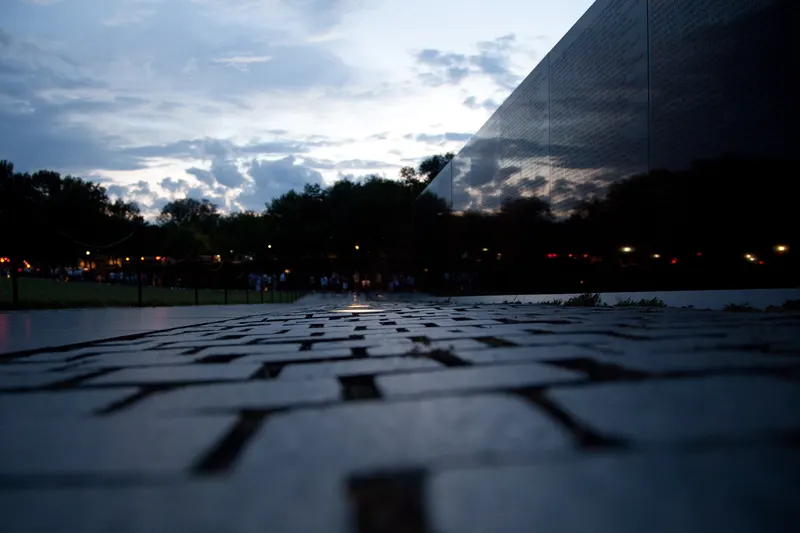
Vietnam Veterans Memorial Guide
A respectful guide to the Vietnam Veterans Memorial on the National Mall — Maya Lin's black-granite Wall, how to find a name, the Three Servicemen and Vietnam Women's Memorial statues, the etiquette of visiting, and how to pair it with the Lincoln and Korean War memorials.
Read guide
Best Viewpoints in Washington, D.C.
Where to find the best views in Washington — the high monuments and free towers, the rooftop bars and cultural terraces, and the river and hilltop overlooks across the Potomac, ranked by how much effort each one asks.
Read guideMore in Things to Do
6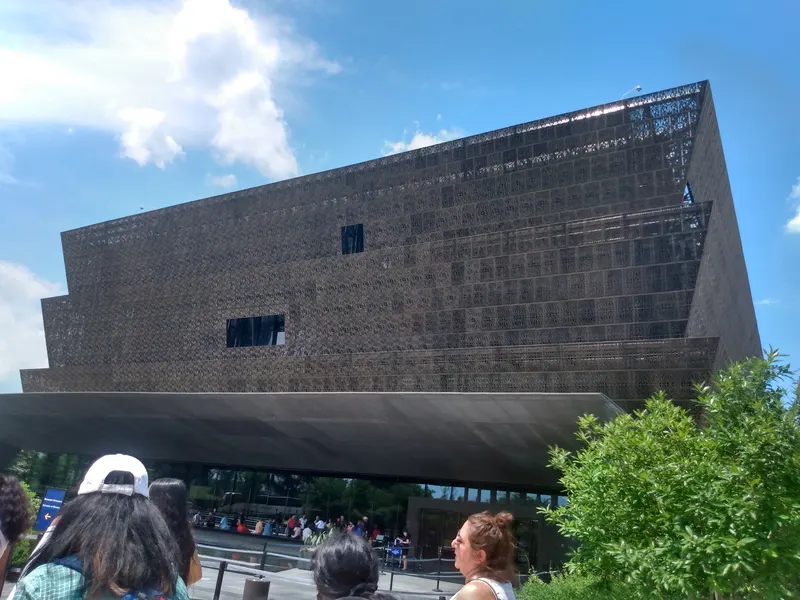
African American History Museum Guide
How to visit the National Museum of African American History & Culture on the Mall — the free timed-entry passes and how to get one, the deep underground history galleries, Sweet Home Café, the lines, how to pace an emotionally heavy visit, and the walk along the Mall.
Read guide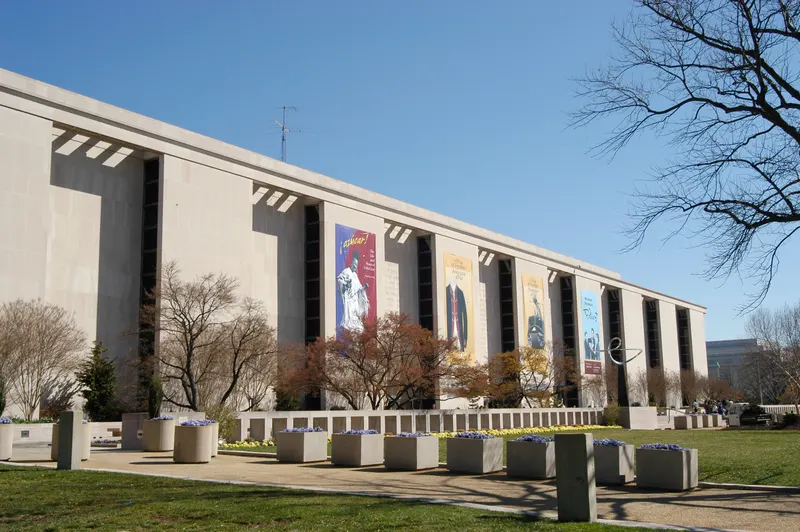
American History Museum Guide
How to visit the National Museum of American History on the Mall — the original Star-Spangled Banner, the First Ladies' gowns, the American presidency, the pop-culture icons, the food-court logistics, and how to time a visit around the school groups.
Read guide
Best Museums in Washington, D.C.
Washington has more world-class museums than any sane trip can hold, and almost all of them are free. This is a guide to the best museums in DC sorted by topic, age, ticket needs, location and rainy-day value — so you can choose two or three with confidence instead of trying to see them all.
Read guide
Best Photography Spots in Washington, D.C.
Where to make great photographs in Washington — the monument reflections, the Tidal Basin blossoms, the Capitol and Lincoln axis, Georgetown's waterfront, hidden rooftops and the golden-hour and blue-hour routes that tie them together.
Read guide
Best Things to Do in Washington, D.C.
A ranked first-trip shortlist of the best things to do in Washington, D.C. — from the National Mall and the free Smithsonian museums to a Capitol tour, the Tidal Basin and Georgetown — built so you can pick a handful and still feel you saw the city.
Read guide
Best Washington, D.C. Tours
When a tour is genuinely worth it in Washington and when the city is better free and self-guided — monument night tours, bike and Segway loops, food and neighbourhood walks, official Capitol and government-building tours, and the day trips that need a coach.
Read guide