
Library of Congress Guide
How to visit the Library of Congress — the free timed-entry passes for the magnificent Thomas Jefferson Building, the Great Hall and Main Reading Room views, the Gutenberg Bible and Jefferson's library, and the easy Capitol Hill walk that links it to the Capitol and the Supreme Court.
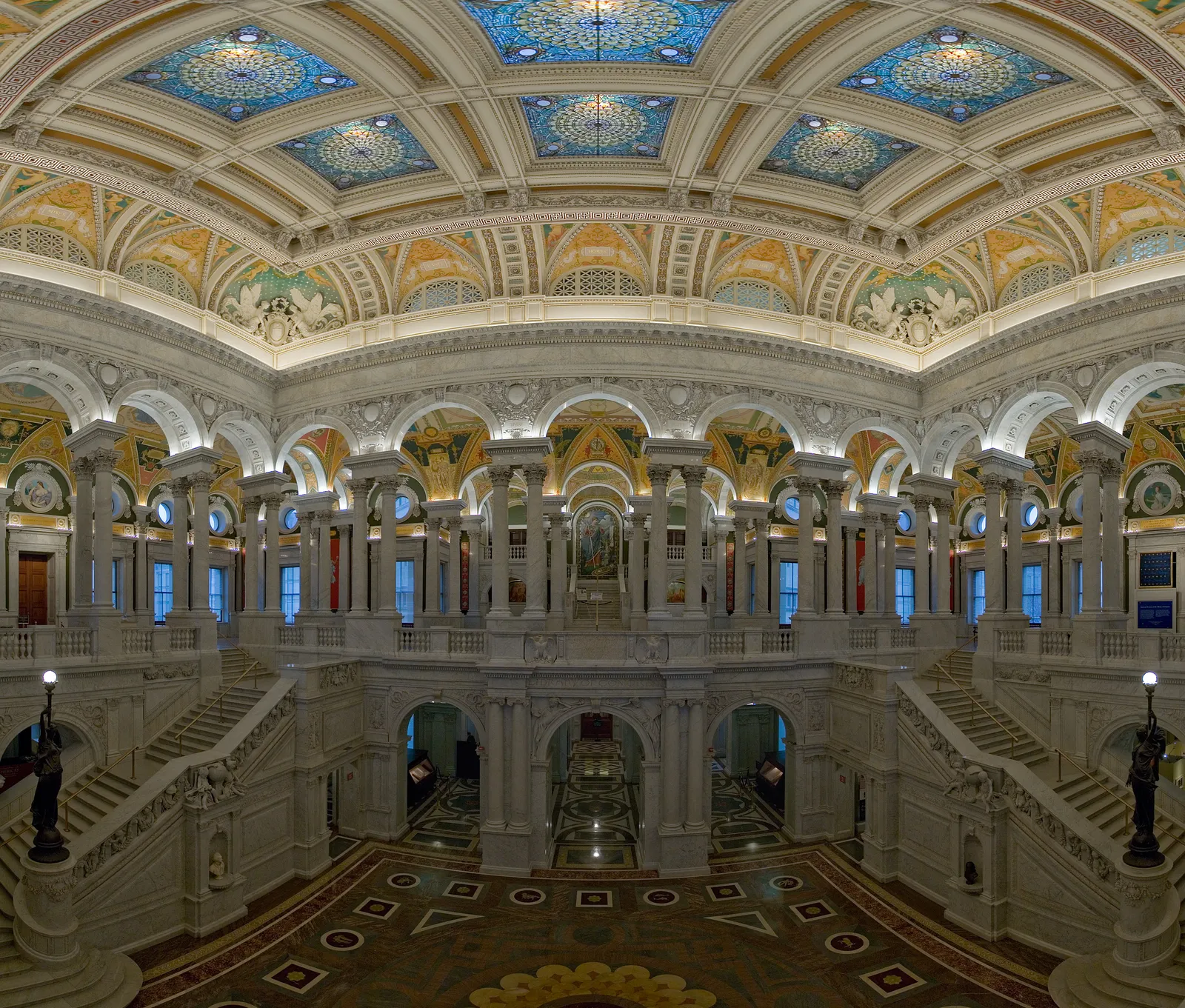
Photo: Diliff / Wikimedia Commons · CC BY-SA 3.0
- ✓The Thomas Jefferson Building is the most beautiful interior in Washington you can see for free — a riot of marble, mosaic, gold leaf and stained glass.
- ✓Entry is free, but the building uses free timed-entry passes during busy periods — reserve online ahead so a long line doesn't cost you your slot.
- ✓The Great Hall and the view over the famous octagonal Main Reading Room are the headline sights, alongside a Gutenberg Bible and Thomas Jefferson's own reconstructed library.
- ✓It is the largest library in the world by collection size, and the oldest federal cultural institution in the United States.
- ✓It stands beside the U.S. Capitol and across from the Supreme Court, and connects to the Capitol Visitor Center by an underground tunnel.
The most beautiful room in Washington
Of all the free things to do in Washington, the Library of Congress is the one that most surprises first-time visitors. They come expecting a library and find instead the single most lavish interior in the city — the Thomas Jefferson Building, opened in 1897, where the marble Great Hall rises through two storeys of columns, mosaics, murals and gold leaf to a stained-glass ceiling, and a grand staircase carries you up into the spectacle. It was built to announce that the young United States could match the great libraries and palaces of Europe, and on the evidence of the Great Hall, it succeeded.
The Library of Congress is also a serious institution behind the splendour: the largest library in the world by the size of its collections, the research arm of the United States Congress, and the oldest federal cultural body in the country. For a visitor, though, the draw is the building — and the rare chance to stand inside an interior this ornate without paying a cent. Even a short visit to the Great Hall is one of the highlights of any DC trip.

Free entry — and the timed-pass system
Admission to the Library of Congress is free, but during busy periods the Jefferson Building uses free timed-entry passes to manage the crowds, and reserving one online in advance is the difference between walking in and waiting in line. The pass costs nothing; it simply guarantees you a slot. In quieter seasons you may be able to walk in without one, but in spring, summer and around the cherry blossoms the timed passes are worth securing before you arrive. Check the official visit page for the current requirement, since the system is adjusted from time to time.
Plan your visit around the building's open days and hours, which can vary and are listed on the Library's site — verify them before you go. The Jefferson Building is the one to prioritise; the Library's other buildings on Capitol Hill are primarily working facilities. As with every federal building here, you clear airport-style security on the way in, so travel light and allow a little time for the line even with a pass in hand.
- Admission is free; timed-entry passes (also free) are used in busy periods — reserve online ahead.
- Quieter seasons may allow walk-in entry; verify the current pass requirement before you go.
- Prioritise the Thomas Jefferson Building — it holds the famous interiors and exhibits.
- Airport-style security on entry; pack light and allow time for the line.
- Hours and the pass system can change — confirm on the official visit page.
What to see inside
Start in the Great Hall, the ground-and-first-floor showpiece where most of the photographs are taken — give yourself time to look up, because the ceiling, the staircases and the inlaid floors reward it. From the second floor, the Library's most famous view opens up: the overlook into the octagonal Main Reading Room, a domed, columned space ringed with statues where researchers still work below. You can't normally walk among the desks, but the gallery view down into the room is one of the great sights of the city.
The Jefferson Building also holds genuine treasures. Among them is a Gutenberg Bible, one of the earliest substantial books printed in Europe with movable type, and 'Thomas Jefferson's Library' — the reconstruction of the personal book collection Jefferson sold to Congress in 1815 to rebuild the Library after the British burned the original, arranged on curving shelves much as he organised knowledge himself. Rotating exhibitions draw on the Library's vast holdings of maps, manuscripts, photographs and rare books, so there is usually something special on beyond the permanent highlights.
Free guided tours and orientation talks are typically offered to help you make sense of the building and its art — well worth joining if the timing fits, because the murals and inscriptions carry layers of meaning that are easy to miss on your own. Check the day's tour schedule when you arrive.
- The Great Hall: the marble, mosaic and gold-leaf showpiece — look up.
- The Main Reading Room overlook: the domed octagonal chamber seen from the second-floor gallery.
- A Gutenberg Bible and Thomas Jefferson's reconstructed personal library.
- Rotating exhibitions from the Library's maps, manuscripts and rare-book collections.
- Free guided tours and talks decode the building's art — join one if the timing works.
Tickets, tours and the Reading Room
A point that confuses many visitors: the free timed-entry pass gets you into the Jefferson Building to see the Great Hall, the exhibits and the Reading Room overlook — but actually entering the Main Reading Room floor is a different thing. The working reading room is for those using the collections, and access to set foot inside it is limited and arranged separately, sometimes via special timed tickets or open-house days. For nearly all visitors, the spectacular gallery view from above is the experience, and it is more than enough.
To use the collections as a researcher you need a free Reader Identification Card, obtained on site — relevant only if you intend to actually request and read materials, not for general sightseeing. If your interest is simply seeing the building, ignore the reader card entirely: reserve a timed-entry pass, walk the Great Hall, take in the Reading Room from the gallery, and see the exhibits.
- The timed-entry pass covers the Great Hall, exhibits and the Reading Room overlook.
- Standing inside the Main Reading Room is limited and arranged separately — verify current options.
- A free Reader Card is only for those using the collections, not for sightseers.
- For most visitors, the gallery view of the Reading Room is the experience — no extra ticket needed.
Reading the building's art
Part of what makes the Jefferson Building so absorbing is that almost nothing in it is decoration for its own sake — the whole interior is a programme about knowledge and civilisation, executed by dozens of American artists in the 1890s. The murals, mosaics and inscriptions across the Great Hall and the upper galleries personify the arts and sciences, quote poets and philosophers, and chart the spread of learning, so the building is effectively a vast illustrated argument for the value of a library. Once you start noticing the inscriptions over the doorways and the figures in the ceiling, the room opens up.
You don't need to decode all of it to enjoy it, but a little context turns a pretty hall into a far richer stop, which is exactly why the free guided tours are worth joining. Look up at the stained-glass ceiling of the Great Hall, find the cherubs on the staircase newels representing different occupations, and seek out Minerva, goddess of wisdom, presiding over the second floor. The detail rewards however much attention you give it, and it's the kind of thing you'll want to photograph slowly rather than rush past.
- The interior is a deliberate programme about knowledge, art and civilisation — not just ornament.
- Murals, mosaics and carved inscriptions across the halls personify the arts and sciences.
- Look up for the stained-glass ceiling, and find the staircase cherubs and the figure of Minerva.
- A free guided tour unlocks the meaning behind the art — well worth the time if it fits.
The Capitol Hill walk
The Library's position is part of its appeal. The Jefferson Building stands on First Street immediately beside the U.S. Capitol and directly across from the Supreme Court, so the three institutions sit within a couple of minutes' flat walk of one another. Better still, an underground tunnel connects the Jefferson Building directly to the Capitol Visitor Center, so on a hot or wet day you can move between the two without going back outside.
Plan the Hill as one rich half-day. If you've arranged a Capitol tour in advance, pair it with a timed-entry slot at the Library and a walk-in stop at the Supreme Court, and you have one of the best free runs of grandeur in the country. The Library is the most photogenic of the three, so save a little camera battery and a little patience for the Great Hall.
Common questions
Is the Library of Congress free? Yes — admission is free. During busy periods the Jefferson Building uses free timed-entry passes, which you reserve online; the pass itself costs nothing.
Do I need a ticket? You may need a free timed-entry pass in busy seasons. Reserve one online ahead to be safe, and verify the current requirement before you go.
Can I go inside the Main Reading Room? Generally you view it from the second-floor gallery overlook. Setting foot on the reading-room floor is limited and arranged separately — check current options.
What are the must-sees? The marble Great Hall, the Main Reading Room overlook, a Gutenberg Bible and Thomas Jefferson's reconstructed personal library.
How long should I plan? Around an hour to ninety minutes covers the Great Hall, the overlook and the main exhibits; longer if you join a tour or there's a special exhibition.
Is it near the Capitol? Yes — it's beside the Capitol and across from the Supreme Court, with an underground tunnel linking it to the Capitol Visitor Center.
Sources

Related guides

U.S. Capitol Tour Guide
How to tour the United States Capitol — booking a free pass through the Capitol Visitor Center or your member of Congress, what the guided tour covers (the Rotunda, the old Hall, the Crypt), how to clear security, and how to add the Library of Congress and a House or Senate gallery visit.
Read guide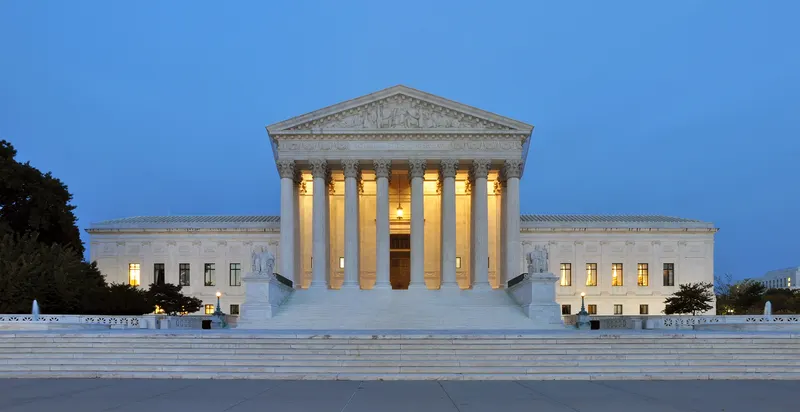
Supreme Court Visitor Guide
How to visit the U.S. Supreme Court — when the building is open to the public, hearing arguments, the courtroom lectures, the ground-floor exhibits, security, and the easy Capitol Hill walk that links it to the Capitol and the Library of Congress.
Read guide
Capitol Hill, Washington, D.C.
The neighbourhood behind the dome — Capitol Hill's pastel rowhouses, the U.S. Capitol and Library of Congress, the weekend bustle of Eastern Market, the Barracks Row restaurants and the family-friendly, residential character that makes it one of the best bases in the city.
Read guideMore in Things to Do
6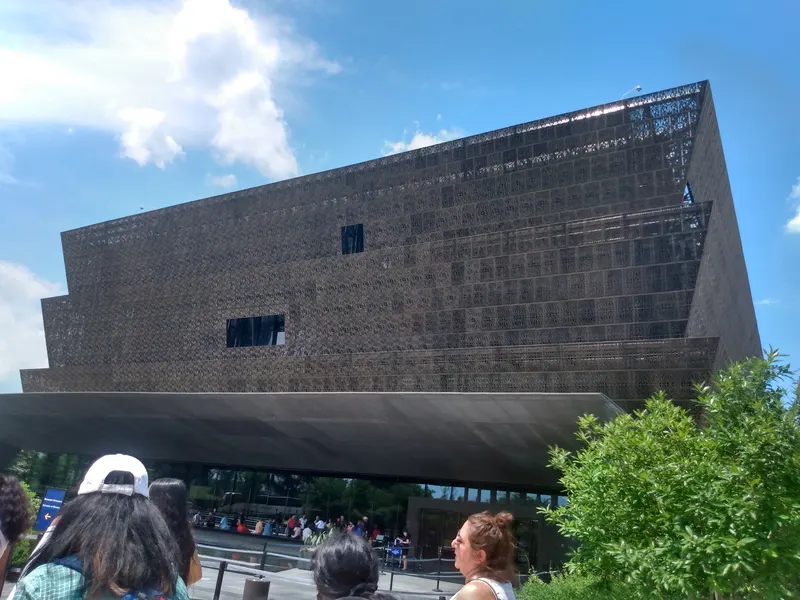
African American History Museum Guide
How to visit the National Museum of African American History & Culture on the Mall — the free timed-entry passes and how to get one, the deep underground history galleries, Sweet Home Café, the lines, how to pace an emotionally heavy visit, and the walk along the Mall.
Read guide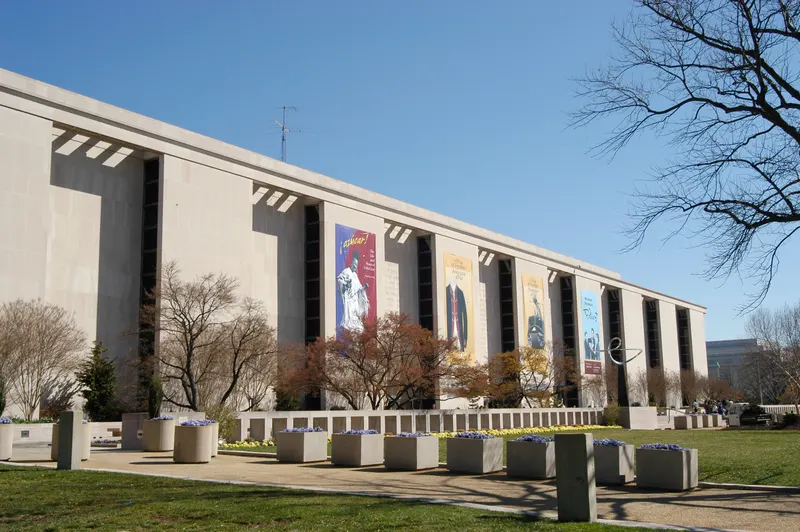
American History Museum Guide
How to visit the National Museum of American History on the Mall — the original Star-Spangled Banner, the First Ladies' gowns, the American presidency, the pop-culture icons, the food-court logistics, and how to time a visit around the school groups.
Read guide
Best Museums in Washington, D.C.
Washington has more world-class museums than any sane trip can hold, and almost all of them are free. This is a guide to the best museums in DC sorted by topic, age, ticket needs, location and rainy-day value — so you can choose two or three with confidence instead of trying to see them all.
Read guide
Best Photography Spots in Washington, D.C.
Where to make great photographs in Washington — the monument reflections, the Tidal Basin blossoms, the Capitol and Lincoln axis, Georgetown's waterfront, hidden rooftops and the golden-hour and blue-hour routes that tie them together.
Read guide
Best Things to Do in Washington, D.C.
A ranked first-trip shortlist of the best things to do in Washington, D.C. — from the National Mall and the free Smithsonian museums to a Capitol tour, the Tidal Basin and Georgetown — built so you can pick a handful and still feel you saw the city.
Read guide
Best Viewpoints in Washington, D.C.
Where to find the best views in Washington — the high monuments and free towers, the rooftop bars and cultural terraces, and the river and hilltop overlooks across the Potomac, ranked by how much effort each one asks.
Read guide