
Best Washington, D.C. Tours
When a tour is genuinely worth it in Washington and when the city is better free and self-guided — monument night tours, bike and Segway loops, food and neighbourhood walks, official Capitol and government-building tours, and the day trips that need a coach.

Photo: Vlad Tchompalov / Unsplash
- ✓Much of Washington is free and easy to do yourself — the Mall, the monuments and the Smithsonians need no tour at all — so the question is always which tours add something self-guiding can't.
- ✓The monuments-by-night tour is the one most travellers are glad they booked: transport between far-apart memorials, the marble floodlit, and the history told as you go.
- ✓Bikes and Segways cover the Mall's long distances far faster than walking — a genuinely good fit for a sprawling, flat, monument-dotted city.
- ✓Official government tours (the Capitol, the White House, the Library of Congress) are free but must be arranged ahead, sometimes months out, on their own systems — not through commercial sellers.
- ✓Day trips to Mount Vernon, Gettysburg or the Shenandoah are where a guided coach earns its keep, reaching places the Metro doesn't.
Do you even need a tour in DC?
Washington is one of the most do-it-yourself-friendly cities a traveller can visit. The National Mall is free, open and walkable; the monuments cost nothing and never close; seventeen Smithsonian museums plus the National Gallery charge no admission. With a Metro card and a phone you can see the headline city for the price of transport, and a great many visitors should. So the honest framing for tours in DC is not 'which tour should I take' but 'where does a guide, a vehicle, or an official booking actually add something I cannot get for free on my own?'
There are real answers. A guide adds context and stories to monuments that otherwise stand mute. A vehicle — a bus, a bike, a boat — solves the city's one genuine problem, which is distance: the Mall is two miles end to end and the best sights are spread across a wide, flat city. And an official booking is simply the only way into certain buildings. This guide sorts DC tours by what they actually solve, so you spend money only where it buys you something the free city can't.


Monument and sightseeing tours: the night loop wins
Of all the commercial tours in Washington, the one most travellers come away genuinely glad they booked is a monuments-by-night tour. After dark the memorials are floodlit and the crowds have gone, and the experience is unforgettable — but the monuments are also far apart and the Mall is poorly lit in stretches, so a tour that drives or trolleys you between the Lincoln, the Jefferson, the war memorials and the Tidal Basin solves the logistics while a guide supplies the history. It turns a long, dark, confusing walk into the most atmospheric two hours of a DC trip. If you'd rather do it free, the route is walkable and safe along the well-trafficked core — but the guided version removes the friction.
By day, the hop-on-hop-off bus and trolley loops are the classic first-timer choice: they string the major sights together and let you cover ground in summer heat without walking yourself flat. They're convenient rather than essential — the same stops are mostly free to reach by Metro and foot — so weigh the ticket against how much walking your group can handle. River and harbour cruises on the Potomac, departing from The Wharf or Georgetown, offer a different angle on the monuments and a pleasant break from pavement, especially at sunset.
- Monuments-by-night tour — transport between far-apart memorials, floodlit marble, history as you go. The standout.
- Hop-on-hop-off bus / trolley — convenient sight-stringing for summer or low-walking groups; not essential.
- Potomac cruises from The Wharf or Georgetown — a restful, sunset-friendly view of the monuments from the water.
- Self-guided alternative: the night route is walkable and safe along the well-lit, busy core.


Bikes, Segways and walking tours
Washington is flat, spread out and threaded with car-free paths, which makes it one of the best big American cities to see by bike. A guided bike tour of the Mall and Tidal Basin covers in a couple of hours what would be an exhausting half-day on foot, and you can roll right up to monuments a walker reaches slowly. Segway tours do the same job with no effort at all, popular with those who'd rather not pedal. If you'd prefer to go it alone, the regional Capital Bikeshare docks are scattered across the core and let you build your own loop — verify current pricing and dock locations before relying on them.
Walking tours are where local knowledge pays off, and they work best off the Mall, in places with stories rather than distances. Neighbourhood walks of Georgetown, Capitol Hill, U Street / Shaw (with its Black Broadway and civil-rights history) or Lafayette Square peel back layers a monument loop never touches. There are also themed walks — spies, scandals, ghosts, architecture — that turn the federal city into a narrative. These tours add genuine value precisely where the free, self-guided approach gives you the least: the human history behind the marble.
- Guided bike tour of the Mall & Tidal Basin — covers the long distances fast; an excellent fit for DC.
- Segway tours — the same coverage with no pedalling; popular and easy.
- Capital Bikeshare for DIY loops — docks across the core; verify current pricing and locations.
- Neighbourhood & themed walking tours — Georgetown, Capitol Hill, U Street, spies and scandals; local knowledge that self-guiding can't match.

Food and drink tours
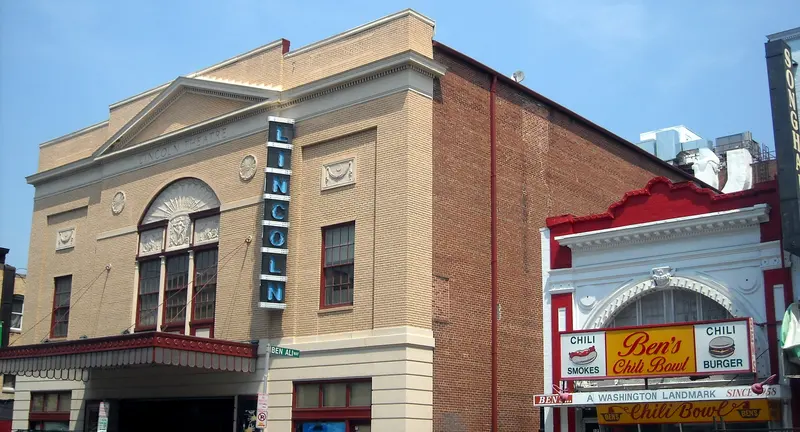
Food tours are one of the better-value guided experiences in Washington, because the city's best eating is scattered across neighbourhoods a visitor wouldn't necessarily find alone. A guided crawl through Eastern Market on Capitol Hill, the U Street and Shaw corridor (with its half-smokes and Ethiopian restaurants), or Union Market in NoMa packs tastings, history and the geography of a neighbourhood into a couple of hours, and answers the perennial DC question of what, exactly, to eat — the half-smoke, mumbo sauce, Chesapeake crab and the city's deep Ethiopian tradition.
These tours shine for first-timers and for anyone who'd rather not gamble on restaurant choices in an unfamiliar quarter. That said, the self-guided version is easy and cheap: pick a food hall — Union Market or Eastern Market — and graze, or build a half-smoke-and-Ethiopian evening around U Street yourself. As with everything in DC, a tour buys you curation and context; the food itself is just as reachable without one if you've done a little reading first.
- Guided food crawls of U Street/Shaw, Eastern Market or Union Market — tastings, history and what to order, in one walk.
- Best for first-timers unsure what or where to eat in DC's spread-out food scene.
- DIY alternative: graze a food hall, or build your own half-smoke-and-Ethiopian U Street evening.
- Either way, the signatures to chase: the half-smoke, mumbo sauce, Chesapeake seafood and Ethiopian injera.

Official government tours: free, but book ahead
Some of the most memorable 'tours' in Washington are run by the government itself, are free, and cannot be bought from a commercial seller — and they reward the visitor who plans early. A U.S. Capitol tour, starting from the Capitol Visitor Center, takes you through the Rotunda and Statuary Hall; you can reserve passes online ahead or, sometimes, get same-day passes, and constituents can also request a staff-led tour through their member of Congress. The Library of Congress next door uses free timed-entry passes for its breathtaking Jefferson Building, and the Supreme Court opens to visitors with courtroom lectures on non-session days.
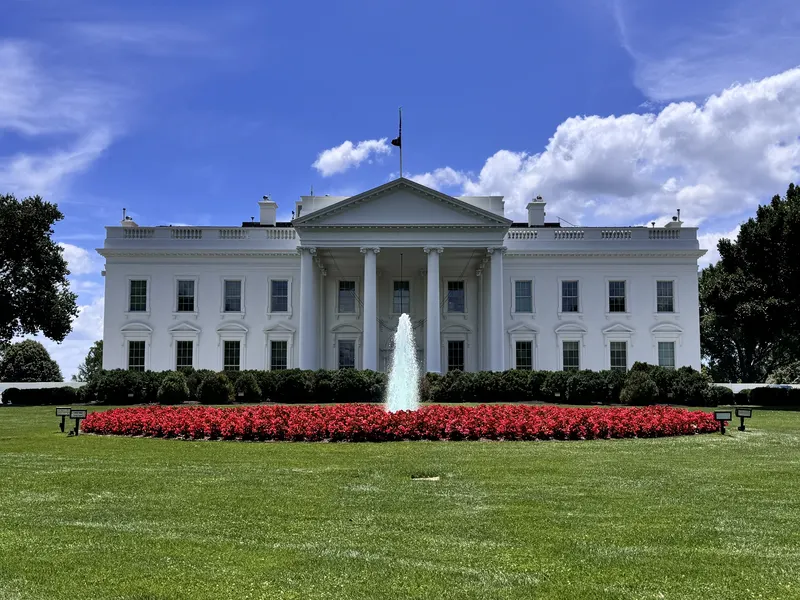
The White House is the hardest ticket in town: public tours are free but must be requested well in advance through your member of Congress (U.S. citizens) or your embassy (foreign visitors), with limited availability and no guarantee — so manage expectations and have the White House Visitor Center as a backup. The key point with all of these is that they run on their own official systems and their own calendars; commercial 'tours' that claim to get you inside should be treated with caution. Verify the current booking process and lead times directly with each institution before your trip.
- U.S. Capitol — free tours from the Visitor Center; reserve passes online or via your member of Congress.
- Library of Congress — free timed-entry passes for the Jefferson Building's spectacular interior.
- Supreme Court — visitor access and courtroom lectures on non-session days; free.
- White House — free but request months ahead via Congress (citizens) or your embassy (visitors); not guaranteed.
- All run on official systems and calendars — book direct and verify lead times; be wary of commercial 'access' offers.
Day-trip tours: where a coach earns its keep
The clearest case for booking a tour in Washington is the day trip, because the best destinations beyond the city sit beyond the reach of the Metro. Mount Vernon — George Washington's Potomac estate — Gettysburg, Harpers Ferry, Monticello and the Shenandoah's Skyline Drive all reward a visit and all are far easier with a guided coach that handles the driving, the route and the history. Battlefield tours in particular gain enormously from a guide who can make sense of the ground. A coach turns a logistically awkward outing into a relaxed day.
A couple of nearer trips don't need a tour at all: Old Town Alexandria is a short Metro ride to a cobbled, walkable riverfront, and Annapolis is an easy hour by car or bus. For those, self-guiding is simple and cheaper. But for anything that needs a long drive or a guide to bring it alive, a day-trip tour is money well spent — and often the difference between seeing a place properly and not seeing it at all.
- Worth a guided coach: Mount Vernon, Gettysburg, Harpers Ferry, Monticello, the Shenandoah — places the Metro can't reach.
- Battlefield tours especially benefit from an expert guide to read the ground.
- Skip the tour for Old Town Alexandria (a Metro ride) and Annapolis (an easy hour) — both are simple to self-guide.
- Book reputable operators, check pickup points and verify what's included before you commit.

Booking smart: a quick checklist
A few rules keep a DC tour budget honest. Decide first whether the thing you want is free and self-guidable — most of the Mall is — and pay only for context, transport or access you genuinely can't get alone. Book official government tours (Capitol, White House, Library of Congress) directly through their own systems, early, and never through a third party promising inside access. For commercial tours, read recent reviews, confirm the meeting point and what's included, and check the weather and season — summer heat makes a vehicle tour far more bearable than a long walk, while spring and autumn favour bikes and walking.
Finally, match the tour to your group. A monuments-by-night loop or a Potomac cruise suits almost everyone; bikes and walking tours suit the able and curious; food tours suit the adventurous eater; day-trip coaches suit anyone wanting to range beyond the city without driving. Spend where the city is hard — distance, access and untold history — and keep the rest of your DC trip free, self-guided and your own. As ever, verify current schedules, prices and booking rules before you commit, since these change.

Related guides
National Mall Guide, Washington, D.C.
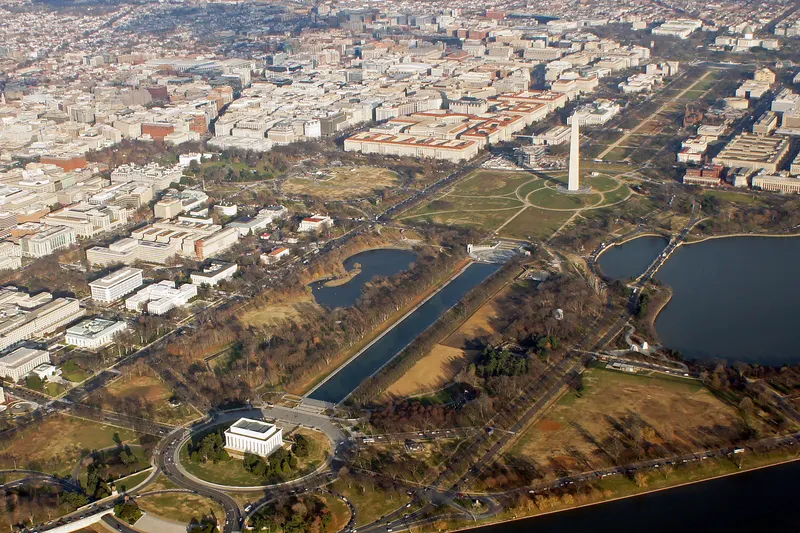
How to plan the National Mall by section — the real walking distances, where the monuments and museum stops sit, and where to find shade, food, bathrooms, the nearest Metro and the best night routes.
Read guide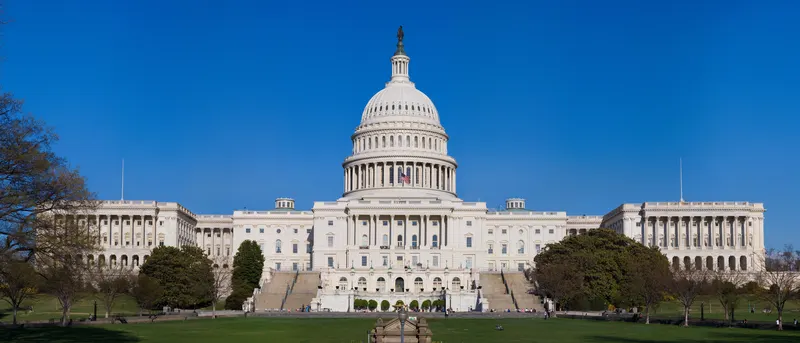
U.S. Capitol Tour Guide
How to tour the United States Capitol — booking a free pass through the Capitol Visitor Center or your member of Congress, what the guided tour covers (the Rotunda, the old Hall, the Crypt), how to clear security, and how to add the Library of Congress and a House or Senate gallery visit.
Read guide
Best Day-Trip Tours from Washington, D.C.
When a guided day-trip tour beats going it alone from Washington, D.C. — the case for tours to Mount Vernon, Gettysburg, Shenandoah, the Virginia wineries and nearby cities, what each one solves, and how and when to book without overpaying.
Read guideMore in Things to Do
6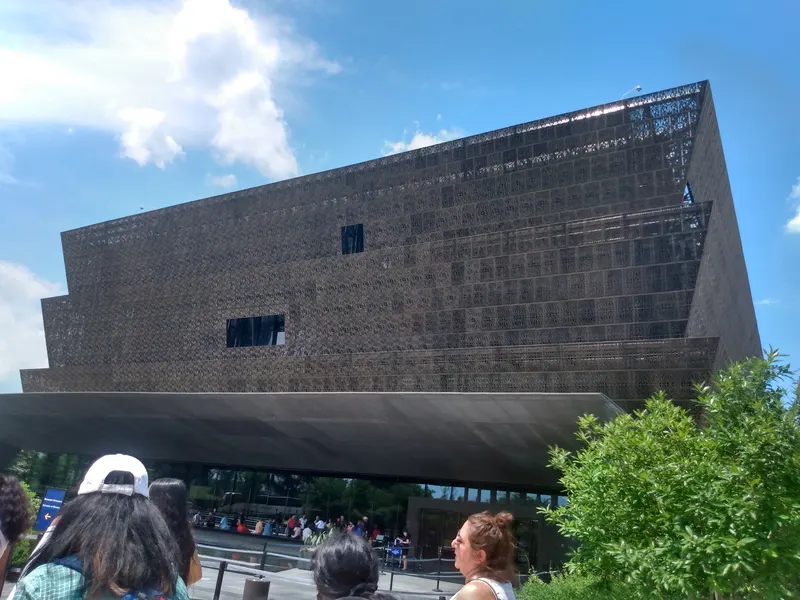
African American History Museum Guide
How to visit the National Museum of African American History & Culture on the Mall — the free timed-entry passes and how to get one, the deep underground history galleries, Sweet Home Café, the lines, how to pace an emotionally heavy visit, and the walk along the Mall.
Read guide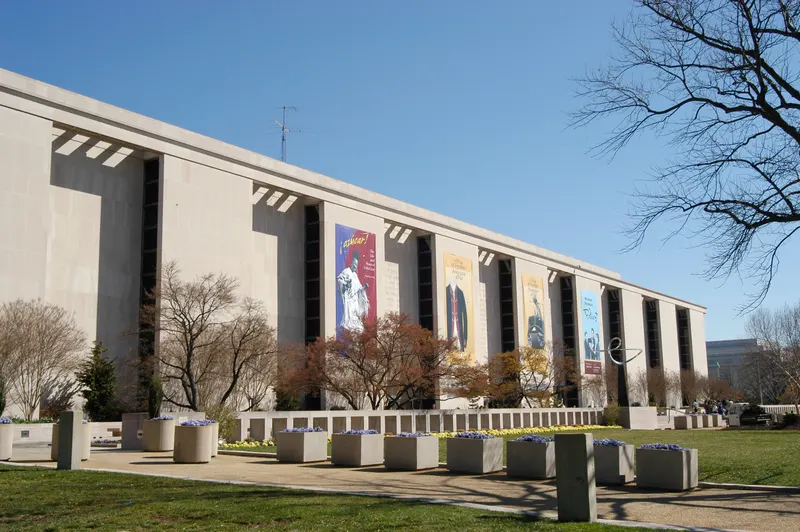
American History Museum Guide
How to visit the National Museum of American History on the Mall — the original Star-Spangled Banner, the First Ladies' gowns, the American presidency, the pop-culture icons, the food-court logistics, and how to time a visit around the school groups.
Read guide
Best Museums in Washington, D.C.
Washington has more world-class museums than any sane trip can hold, and almost all of them are free. This is a guide to the best museums in DC sorted by topic, age, ticket needs, location and rainy-day value — so you can choose two or three with confidence instead of trying to see them all.
Read guide
Best Photography Spots in Washington, D.C.
Where to make great photographs in Washington — the monument reflections, the Tidal Basin blossoms, the Capitol and Lincoln axis, Georgetown's waterfront, hidden rooftops and the golden-hour and blue-hour routes that tie them together.
Read guide
Best Things to Do in Washington, D.C.
A ranked first-trip shortlist of the best things to do in Washington, D.C. — from the National Mall and the free Smithsonian museums to a Capitol tour, the Tidal Basin and Georgetown — built so you can pick a handful and still feel you saw the city.
Read guide
Best Viewpoints in Washington, D.C.
Where to find the best views in Washington — the high monuments and free towers, the rooftop bars and cultural terraces, and the river and hilltop overlooks across the Potomac, ranked by how much effort each one asks.
Read guide