
National Book Festival Guide
How to plan a day at the Library of Congress National Book Festival — the free, one-day celebration of reading the Library has run since 2001. The format, the author stages, the family and children's programming, how to get there on Metro, where to stay near the convention center, and how to fold the festival into a wider literary weekend in the capital. Dates and authors change every year, so verify the current programme before you travel.
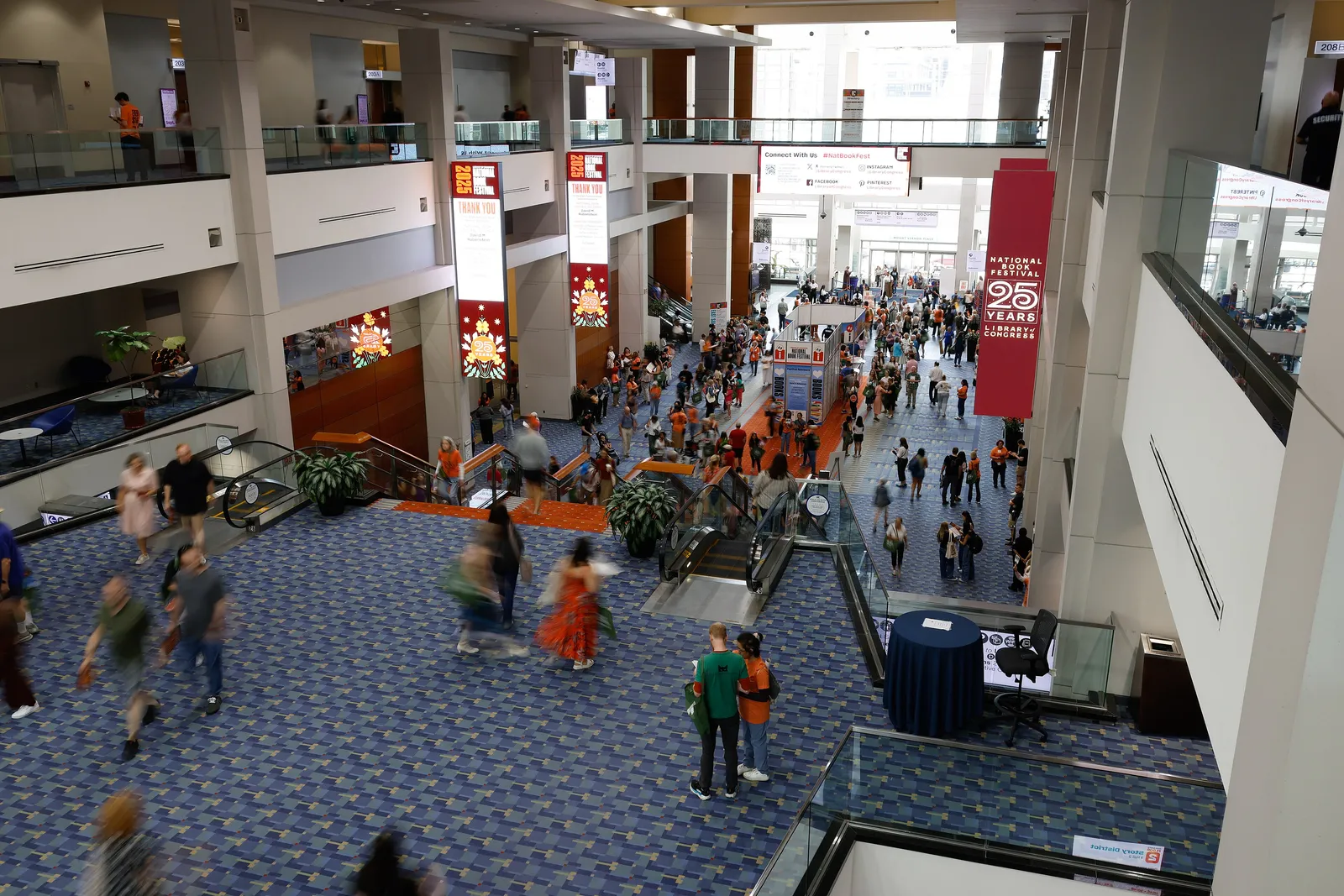
Photo: Hassan Albadawi / Wikimedia Commons · CC BY-SA 4.0
- ✓The National Book Festival is the Library of Congress's free, one-day celebration of books and reading, held annually since 2001 — verify the current year's date and venue before planning.
- ✓It is free to attend, with author talks, panels, signings and a large children's and family programme running across many simultaneous stages.
- ✓In recent years it has been held indoors at the Walter E. Washington Convention Center in Downtown DC; confirm the current venue, as it has changed format over the years (it began on the National Mall).
- ✓It draws huge crowds and big-name authors, so a little planning — pick your must-see talks in advance, build in slack for queues and signings — goes a long way.
- ✓The festival is the natural centrepiece of a literary DC weekend, pairing perfectly with the Library of Congress itself and the free Smithsonian museums nearby.
The Book Festival at a glance
Before the planning, the essentials. Because the festival's date, venue and programme are set fresh each year, treat everything here as durable advice to confirm against the current edition on the Library of Congress's official festival pages.
- What it is: the National Book Festival, the Library of Congress's free annual celebration of books and reading, held every year since 2001.
- Cost: free to attend. Author talks, panels, signings and children's programming are all included — verify any registration or ticketed-extra details for the current year.
- When: it is an annual, typically single-day event; the date moves each year, so check the current schedule before booking travel.
- Where: in recent years it has run indoors at the Walter E. Washington Convention Center in Downtown DC. It has changed format and location over the years (it started on the National Mall), so confirm the current venue.
- Getting there: the convention center sits beside the Mount Vernon Square / Convention Center Metro station (Green and Yellow lines) — easy and car-free to reach.
- Best for: readers and families. Expect crowds and big-name authors; plan your must-see stages ahead and pad your day for queues and signings.
What the festival is
The National Book Festival is the Library of Congress's annual gift to readers: a free, large-scale celebration of books and reading that the Library has staged every year since 2001. Over a single packed day it gathers hundreds of authors, poets, illustrators and storytellers for talks, panels, readings and signings, organised by genre and theme across many simultaneous stages. It is one of the largest literary events in the United States, and crucially it costs nothing to walk in — a fitting expression of the Library of Congress's mission in a city full of free institutions.
The festival has evolved over its history. It began outdoors on the National Mall, and in more recent years it has moved indoors to the Walter E. Washington Convention Center in Downtown DC — a change that swaps tents and summer heat for air-conditioned halls but keeps the sprawling, multi-stage character intact. Because the format has shifted before, the single most important thing to confirm is the current year's venue, date and structure: don't assume this year mirrors last year.
What stays constant is the experience: a vast hall (or grounds) full of readers moving between author stages, queuing for signings, browsing books, and dipping into the children's and family programming that runs alongside the adult talks. It rewards both the planner who maps out must-see sessions and the wanderer happy to stumble into a talk by an author they've never heard of. Either way, it's free, it's enormous, and it's one of the best reasons to be a book lover in Washington for a weekend.


How to do a festival day well
With hundreds of authors across many stages in a single day, the festival rewards a plan. When the line-up and schedule are released, go through it and pick the handful of talks you genuinely don't want to miss, noting the stage and the time for each. Then accept that you cannot see everything — the joy of the day is partly in the gaps, the talks you wander into between your fixed points. A loose itinerary of three or four anchor sessions, with room to drift in between, beats a rigid back-to-back schedule that leaves no slack.
Build in time for queues and signings. Popular authors draw long lines both to get into their talks and to have books signed afterwards, so if a signing matters to you, factor it in as its own block rather than a quick add-on. Bring the books you want signed if the festival's policy allows it (verify), or budget time to buy on site. Comfortable shoes, water and snacks make a long day in a crowded hall far more pleasant, and a tote for the books you'll inevitably acquire is practically a festival uniform.
Arrive earlier than you think you need to. A free, popular, one-day event concentrates demand, so getting in early lets you orient yourself, find your first stage and settle before the crowds peak. Check the current year's details on entry, any registration or wristbands, bag policy and accessibility before you go — the indoor convention-center format has its own logistics, and confirming them ahead saves friction on the day.


Families and children's programming
The National Book Festival is one of the most family-friendly events on the DC calendar. Alongside the adult author talks, it runs a substantial children's and young-people's programme — picture-book authors and illustrators, storytellers, and activities aimed squarely at younger readers — so it works as a day out for families as much as for solo bookworms. The indoor convention-center setting helps here too: it keeps children out of the late-summer heat and gives plenty of space to move around.
If you're bringing children, plan the day around their stamina rather than the full schedule. Pick one or two children's sessions as anchors, leave generous gaps for snacks, toilets and downtime, and don't over-programme — a crowded hall is tiring for small legs. Strollers, the convention center's facilities and the children's-area layout are all worth checking in advance against the current year's plan so you arrive knowing where to head first.
For families it's also worth pairing the festival with the city's other free, child-friendly draws. The Smithsonian museums on and near the Mall — Natural History, Air and Space, American History — are free, indoors and endlessly engaging for kids, and the National Zoo is free too. A festival morning followed by a museum afternoon makes a full, low-cost day, and because almost everything is free, there's no pressure to extract maximum value from any single stop.
Getting there and where to stay
The convention-center venue is one of the easiest big-event sites in DC to reach without a car. The Walter E. Washington Convention Center sits right above the Mount Vernon Square / Convention Center Metro station, served by the Green and Yellow lines, so for almost any visitor the train is the right answer — driving and parking on a busy festival day is more hassle than it's worth. A SmarTrip card covers the rail journey, and the station deposits you essentially at the door.
For where to stay, Downtown DC around the convention center is the obvious choice if you want to roll out of bed and into the festival — and it keeps you close to Penn Quarter's restaurants and theatres for the evening. But because the whole core of the city is so well connected by Metro, almost any central, transit-served base works; you're only ever a few stops from the convention center. Pick a hotel near a Green or Yellow Line station and the commute to the festival is trivial.
Late summer is shoulder season in Washington — warm and sometimes humid, but past the spring and early-summer peak — so hotel value is often reasonable, with the caveat that a popular festival weekend can tighten availability, so book ahead once you've confirmed the date. Families may prefer a base with a bit more space and easy Metro access over being right downtown; either way, the train makes the festival reachable from across the city.


A literary DC weekend around the festival
The festival is the centrepiece, but it pairs beautifully with the rest of literary Washington to make a full bookish weekend. The most natural companion is the Library of Congress itself, the institution that runs the festival: its Thomas Jefferson Building on Capitol Hill is one of the most beautiful interiors in the city — a soaring, ornate Beaux-Arts main reading room and Great Hall — and it's free to visit. Seeing the Library on the day before or after the festival closes the loop nicely, connecting the event to the extraordinary institution behind it.
From there, a literary weekend almost plans itself out of DC's free institutions. The nearby National Archives holds the founding documents; the Folger Shakespeare Library on Capitol Hill is a temple to the Bard; and the city's independent bookshops — particularly around Capitol Hill and the U Street and Dupont corridors — reward an afternoon of browsing. Slot one museum or institution per half-day around the festival and you have a relaxed, reading-themed couple of days that never feels rushed.
Keep the rhythm gentle. A festival day is long and crowd-heavy, so bookend it with slower, quieter literary pleasures rather than another packed schedule — a calm morning in the Jefferson Building, an afternoon in a bookshop, a candlelit dinner with the day's haul of new books on the table. Verify the festival's current date first, build the weekend around it, and you have one of the most distinctively Washington trips there is: a city that is, after all, home to the world's largest library, throwing a party for readers.
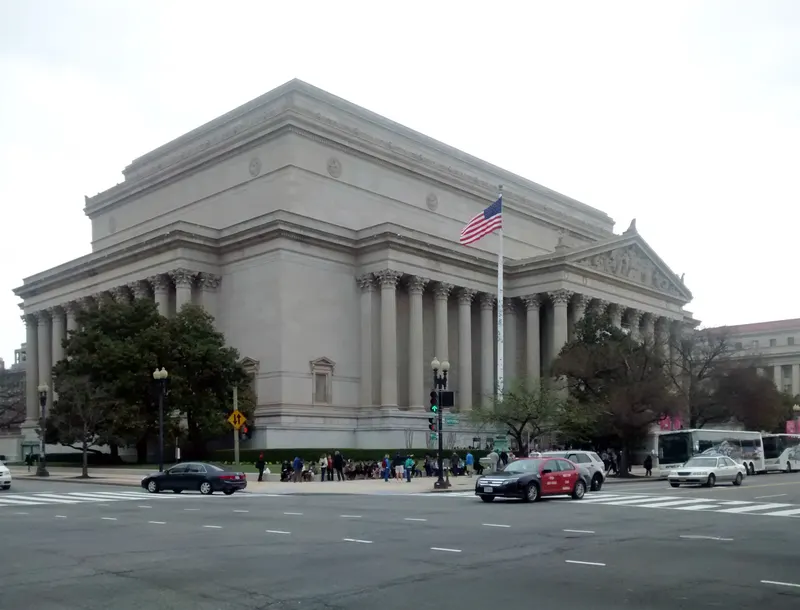 National Archives
The free home of the founding documents — a fitting stop on a literary, history-minded weekend.
 Capitol Hill
The neighborhood of the Library of Congress and Folger — bookshops, row houses and Eastern Market.
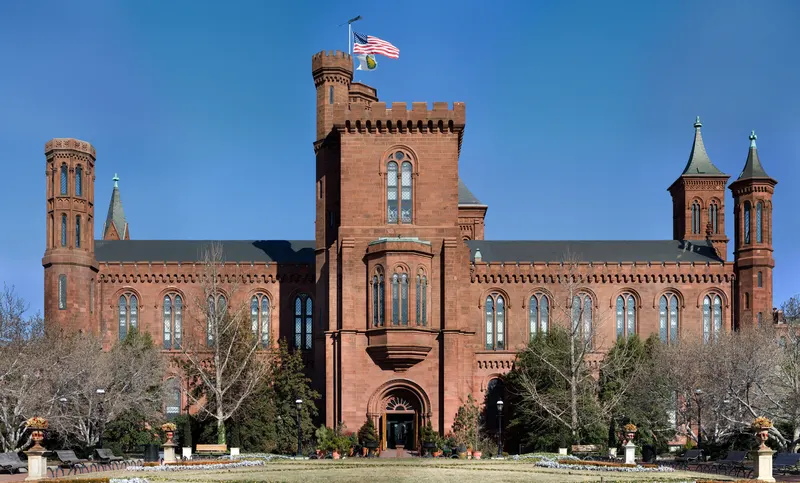 Smithsonian Museums Guide
The free museums that fill out a festival weekend, all within a short Metro ride.
Related guides
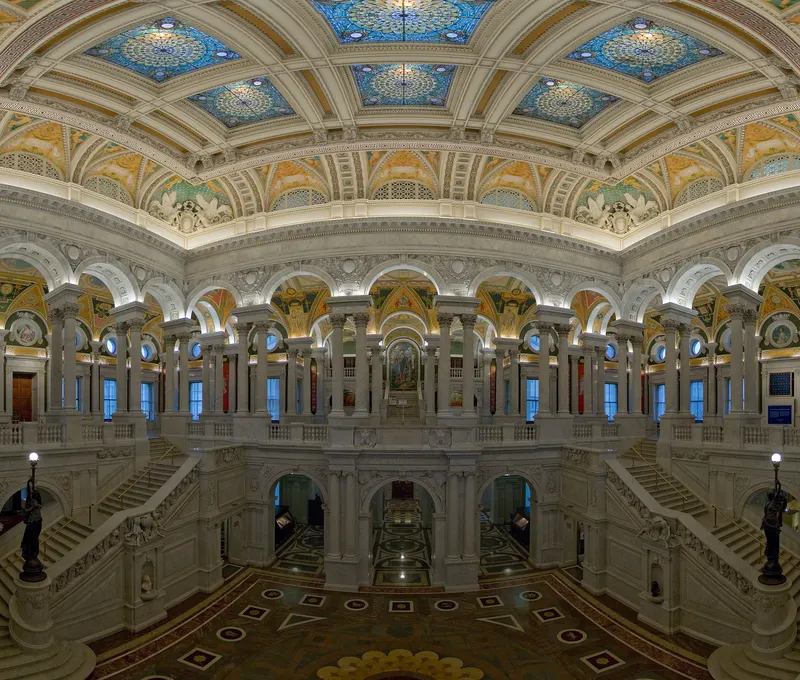
Library of Congress Guide
How to visit the Library of Congress — the free timed-entry passes for the magnificent Thomas Jefferson Building, the Great Hall and Main Reading Room views, the Gutenberg Bible and Jefferson's library, and the easy Capitol Hill walk that links it to the Capitol and the Supreme Court.
Read guide
Family Hotels in Washington, D.C.
Washington is one of the best-value family trips in America, and the right hotel makes it effortless. This is a practical guide to family-friendly hotels in DC — the features that actually matter (space, breakfast, a pool, a short walk to Metro), the areas that suit families with kids of different ages, and how to turn a free-museum city into an easy, well-paced trip.
Read guide
Washington, D.C. in August
What an August trip to Washington is really like — the quiet, sticky tail of summer, when Congress is in recess and the city slows, hotel rates ease off the spring and Fourth-of-July peaks, the free museums become the cool centre of every day, and the water — pools, rivers and the nearby Chesapeake beaches — is the obvious weekend escape.
Read guideMore in Things to Do
6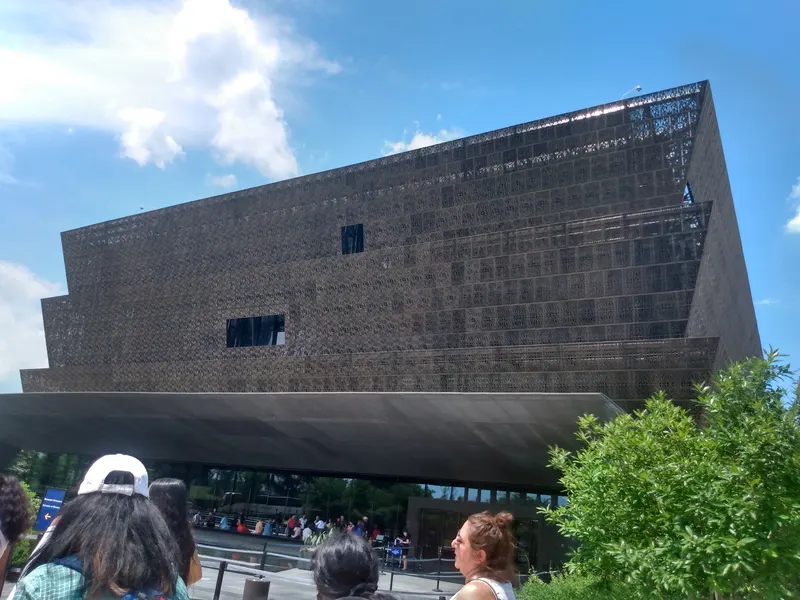
African American History Museum Guide
How to visit the National Museum of African American History & Culture on the Mall — the free timed-entry passes and how to get one, the deep underground history galleries, Sweet Home Café, the lines, how to pace an emotionally heavy visit, and the walk along the Mall.
Read guide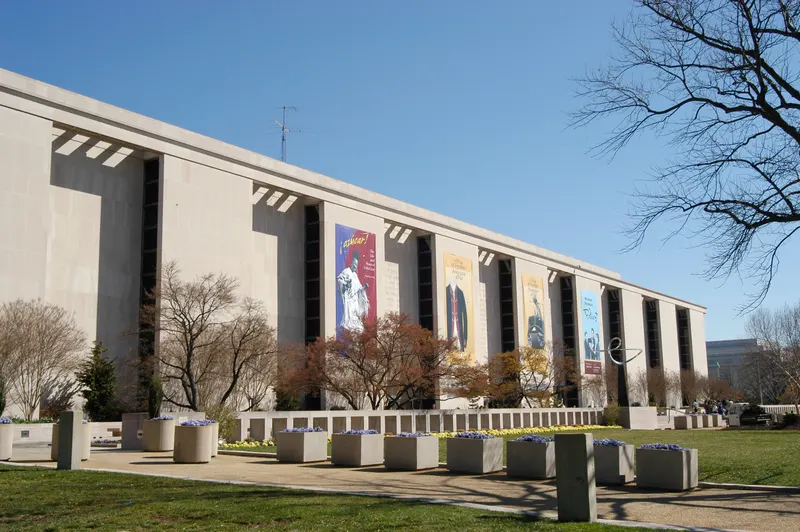
American History Museum Guide
How to visit the National Museum of American History on the Mall — the original Star-Spangled Banner, the First Ladies' gowns, the American presidency, the pop-culture icons, the food-court logistics, and how to time a visit around the school groups.
Read guide
Best Museums in Washington, D.C.
Washington has more world-class museums than any sane trip can hold, and almost all of them are free. This is a guide to the best museums in DC sorted by topic, age, ticket needs, location and rainy-day value — so you can choose two or three with confidence instead of trying to see them all.
Read guide
Best Photography Spots in Washington, D.C.
Where to make great photographs in Washington — the monument reflections, the Tidal Basin blossoms, the Capitol and Lincoln axis, Georgetown's waterfront, hidden rooftops and the golden-hour and blue-hour routes that tie them together.
Read guide
Best Things to Do in Washington, D.C.
A ranked first-trip shortlist of the best things to do in Washington, D.C. — from the National Mall and the free Smithsonian museums to a Capitol tour, the Tidal Basin and Georgetown — built so you can pick a handful and still feel you saw the city.
Read guide
Best Viewpoints in Washington, D.C.
Where to find the best views in Washington — the high monuments and free towers, the rooftop bars and cultural terraces, and the river and hilltop overlooks across the Potomac, ranked by how much effort each one asks.
Read guide