
Washington, D.C. Hidden Gems
The Washington beyond the Mall — the marooned Capitol Columns, the Gothic cathedral on the hill, the wooded valley of Rock Creek, off-radar museums, walled gardens and the quiet neighbourhoods that most first-time visitors never reach.

- ✓Most visitors never leave the National Mall — which means the city's most atmospheric corners stay quiet, and a half-day off the lawn changes how DC feels entirely.
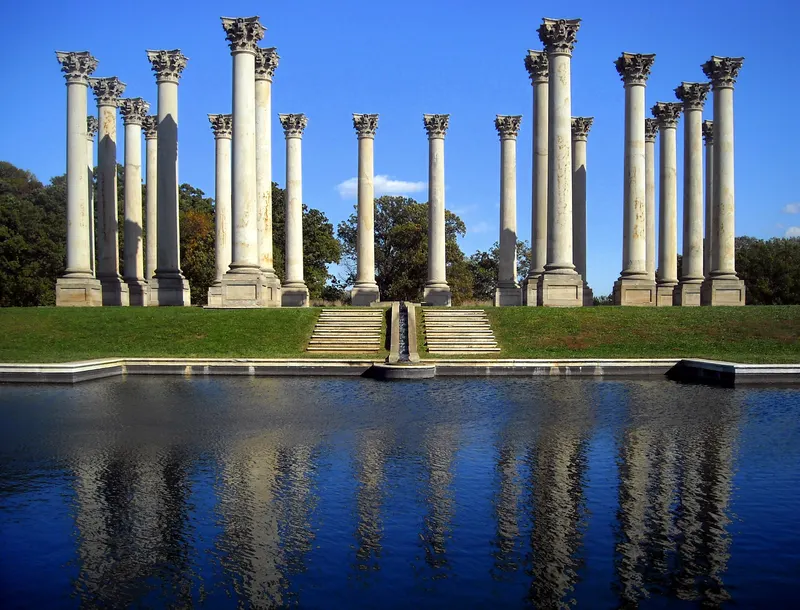
- ✓The National Arboretum's Capitol Columns — twenty-two original Capitol columns standing alone in a meadow — are the city's most surreal and least-crowded photograph.
- ✓Rock Creek Park threads a wild, wooded valley right through the middle of Washington, with trails, a historic mill and a planetarium most tourists never find.
- ✓Several superb smaller museums — Renwick, Phillips, Anderson House, the Postal Museum — sit just off the Mall and reward an hour without the crowds.
- ✓Many of these gems are away from the Metro, so plan transport ahead; a few charge admission while the Mall museums are free, so verify hours and prices before you go.
The city most visitors miss
Almost everyone who comes to Washington spends their time on a single two-mile strip — the National Mall, with its monuments and its free museums. It is the right place to start, and it is genuinely one of the great civic spaces on earth. But it is also a small fraction of the city, and the curious traveller who steps even a little way off it finds a Washington that is greener, older, quieter and stranger than the marble core suggests. This page is for the second day, the return trip, or the visitor who simply wants the city without the crowds.
The gems below fall into a few groups: surreal outdoor places like the Capitol Columns and the wooded valley of Rock Creek; the great Gothic cathedral up on the city's highest hill; a handful of small museums and historic houses that the Smithsonian crowds walk straight past; and the residential neighbourhoods where Washington actually lives. None of them require special access or insider knowledge — only the willingness to leave the lawn for an afternoon.



Surreal outdoors: the Capitol Columns and Rock Creek
The strangest, most photogenic hidden place in Washington sits well to the northeast, at the U.S. National Arboretum: the National Capitol Columns. Twenty-two Corinthian sandstone columns that once held up the east portico of the Capitol were removed during a 1950s expansion and, decades later, re-erected here in the middle of a wide grassy meadow — a row of classical ruins standing in open field, like a fragment of Rome dropped into Maryland. At sunrise, or in late April when the Arboretum's azalea hillsides bloom, it is unforgettable, and you will often have it almost to yourself. The Arboretum is large, free to enter, and far from the Metro, so allow time and check current access.
Closer to the centre, Rock Creek Park is the gem hiding in plain sight: one of the largest urban forests in any American city, a genuinely wild wooded valley that cuts north–south right through Washington. You can walk creekside trails under old hardwoods, visit the restored 19th-century Peirce Mill, take in a show at the Rock Creek Park Planetarium, or simply lose the city for an hour. It connects the National Zoo and the upper-northwest neighbourhoods, so it pairs naturally with a Cathedral or Zoo morning. Trails and facilities open and close seasonally — verify before relying on any single site.
- National Arboretum — the Capitol Columns in their meadow; azaleas in late April; free, but far from the Metro.
- Rock Creek Park — a wild wooded valley through the heart of the city, with trails and Peirce Mill.
- The Bishop's Garden at the National Cathedral — a free, walled medieval-style garden, one of the loveliest quiet spots in town.
- Kenilworth Park & Aquatic Gardens (in season) — historic water-lily ponds in the far northeast; verify the bloom calendar.
- Theodore Roosevelt Island — a forested memorial island in the Potomac, reached by footbridge for a quiet walk.
The Cathedral on the hill
The greatest single sight most first-time visitors miss is Washington National Cathedral. Up in the leafy upper northwest, on Mount St. Alban — the highest point in the city — stands a full-scale, hand-built Gothic cathedral, begun in 1907 and not finished until 1990. Walk in off the street and the federal capital vanishes: you are under a stone-vaulted ceiling thirty metres up, light pouring through more than two hundred stained-glass windows, including the famous Space Window set with a sliver of Moon rock from Apollo 11. Hunt high on the towers for the carved grotesques, among them a Darth Vader added after a children's design competition.
Outside, the walled Bishop's Garden is one of the prettiest, most romantic quiet corners in Washington, free to wander, and the central tower — climbed on a separate ticket — gives one of the broadest views in the city. The catch is that the Cathedral sits away from the Metro, so reach it by bus, rideshare, or by walking up from Woodley Park. Worship is always free; daytime sightseeing is usually ticketed on weekdays and Saturdays, and tower climbs and specialty tours sell out — so verify hours, admission and the climb schedule before you make the trip up the hill.
- A genuine hand-built Gothic cathedral — vaulted nave, flying buttresses, eighty-three years in the making.
- The Space Window — abstract stained glass set with a fragment of Moon rock from Apollo 11.
- The Darth Vader grotesque, high on the northwest tower — bring binoculars or a zoom lens to find it.
- The free, walled Bishop's Garden, and the tower climb for the city's broadest view (separate ticket).
- Off the Metro: reach it by bus, rideshare or a walk up from Woodley Park. Verify hours and admission.
Small museums the crowds walk past
Washington's free Smithsonians are so vast that they overshadow a clutch of smaller, calmer museums nearby that are arguably more rewarding per hour. The Renwick Gallery, in a jewel-box Second Empire building across from the White House, shows contemporary craft and design and is free; its installations have produced some of the most-photographed museum moments in the city. The Phillips Collection in Dupont Circle is America's first museum of modern art, an intimate former mansion home to Renoir's Luncheon of the Boating Party and a meditative Rothko Room. Anderson House, also near Dupont, is a beaux-arts mansion you can tour, a survivor of the Gilded-Age 'Embassy Row' era.
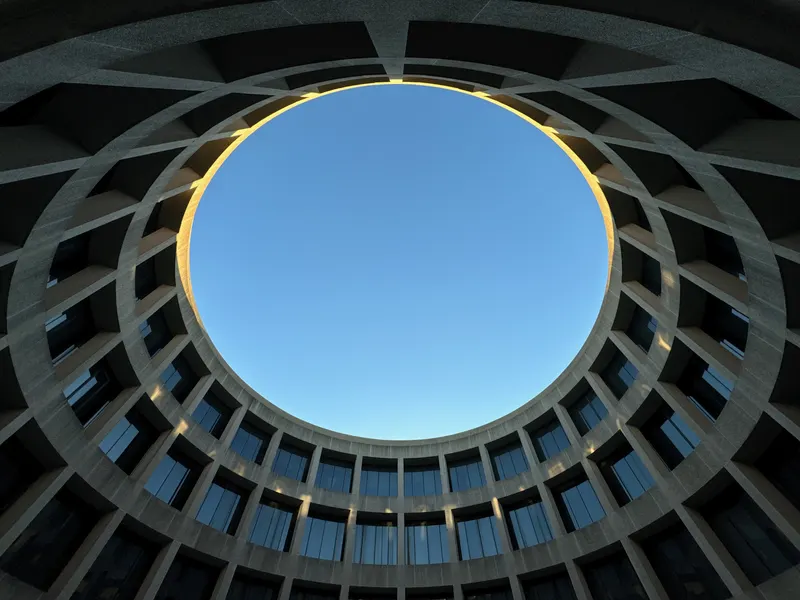
On the museum-curious side, the National Postal Museum beside Union Station is a genuinely engaging, free, and almost empty Smithsonian — superb for families and stamp-and-history buffs alike. The Folger Shakespeare Library on Capitol Hill holds the world's largest Shakespeare collection behind an art-deco marble front. And the Hirshhorn, though on the Mall, is the gem hiding among the giants — DC's free museum of modern and contemporary art in its striking concrete drum, with a sunken sculpture garden. Admission policies vary (the Smithsonian sites are free; the Phillips and Anderson House charge), so check current details before you go.
- Renwick Gallery — free Smithsonian craft and design in a jewel-box building by the White House.
- The Phillips Collection (Dupont) — America's first modern-art museum; the Rothko Room and Renoir. Ticketed.
- National Postal Museum (by Union Station) — free, calm, surprisingly engaging; great for families.
- Anderson House & the Folger Shakespeare Library — Gilded-Age mansion and the world's top Shakespeare collection.
- The Hirshhorn — free modern art in its concrete drum on the Mall, the quiet one among the giants.

Quiet neighbourhoods and a bite away from the lawn
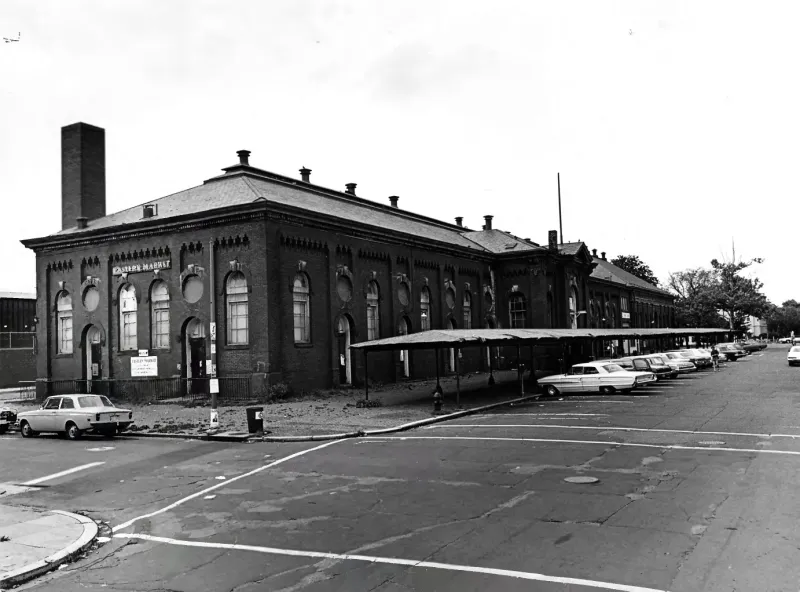
Some of the best hidden gems in Washington are simply the residential neighbourhoods where the city actually lives. Capitol Hill, a short walk behind the Capitol, is all pastel rowhouses, leafy streets and the red-brick bustle of Eastern Market — the city's oldest continuously operating public market, with a weekend stall scene of crafts, produce and famous blueberry-buckwheat pancakes. Georgetown rewards a wander far from its shopping spine: the C&O Canal towpath, the cobbled side streets, and the old waterfront. Up north, Adams Morgan and the U Street / Shaw corridor hold the city's mural-lined, music-soaked, immigrant-rich heart.
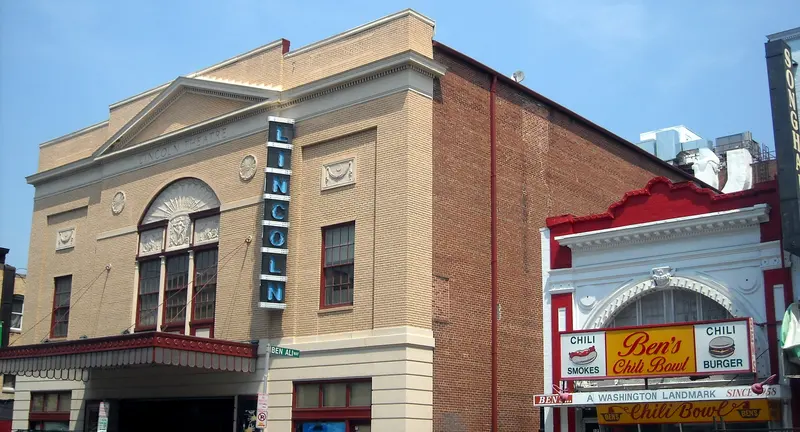
Eat where Washingtonians do and the city opens up further. Shaw and U Street hold one of the largest Ethiopian dining scenes in the country; the half-smoke at Ben's Chili Bowl is a genuine local institution; and the food halls — Union Market in NoMa, Eastern Market on the Hill — are the friendliest, most local-feeling places to graze. The honest rule for finding the hidden Washington is the same as the rule for eating well in it: see the marble by day, then ride one or two Metro stops into a real neighbourhood and let the federal city fall away behind you.
- Capitol Hill & Eastern Market — pastel rowhouses and the city's oldest public market, busiest at weekends.
- Georgetown's quiet side — the canal towpath, cobbled alleys and the historic waterfront.
- Shaw, U Street & Adams Morgan — murals, music, Ethiopian food and the half-smoke at Ben's Chili Bowl.
- Union Market (NoMa) — a buzzy food hall and a wholly different, off-Mall side of the city.
- The simple rule: monuments by day, neighbourhoods by evening — that's where the real DC is.

Monuments and corners even regulars miss
Even on the Mall itself there are quiet pockets that the headline-monument crowds rush past. The District of Columbia War Memorial — a small domed marble bandstand honouring the city's own First World War dead — sits tucked among the trees near the Reflecting Pool, almost always empty, and is one of the most peaceful spots in the federal core. The George Mason Memorial, with its relaxed bronze of the underrated Founding Father on a bench, hides in a small garden near the Tidal Basin. And the Einstein Memorial outside the National Academy of Sciences — a giant, climbable bronze of a slouching Einstein under the stars — is a beloved local secret just off the Mall's northwest edge.
Look up and out, too. The Kennedy Center's free rooftop terrace gives one of the few open high views over the river and back to the monuments, quiet and under-used at sunset. (The Old Post Office tower long held this spot, but its observation deck closed to the public in October 2025 with no reopening date.) The Spanish Steps in Kalorama, a fountained stair tucked into an embassy-lined residential hill, are a romantic surprise far from any tour route. And the Exorcist Steps in Georgetown — the steep stone staircase from the film — draw cult fans to an otherwise ordinary corner. None of these needs a ticket; all of them reward the visitor curious enough to wander a block off the obvious path.
- DC War Memorial — a quiet domed bandstand near the Reflecting Pool, almost always empty.
- George Mason Memorial — a relaxed bronze in a hidden garden near the Tidal Basin.
- Einstein Memorial — a giant, climbable bronze under the stars, just off the Mall's northwest edge.
- The Spanish Steps (Kalorama) and the Exorcist Steps (Georgetown) — two very different stair-side surprises.
- Kennedy Center rooftop terrace — a free, open, under-used high view over the river and the monuments (the Old Post Office tower that long held this spot closed to the public in October 2025).
Planning an off-Mall day
The one practical theme that runs through every gem here is transport. The reason these places stay quiet is partly that they are not all a short walk from a Metro station the way the Mall museums are — the Arboretum, the Cathedral and parts of Rock Creek in particular need a bus, a rideshare, or a deliberate plan. Group them geographically rather than zig-zagging: the Cathedral, Zoo and Rock Creek make a natural upper-northwest day; the Arboretum and Kenilworth Gardens pair as a northeast morning; Dupont's museums and Embassy Row form an easy walking afternoon.
Mind two other things. First, while the Mall's Smithsonians are free, several of the gems here charge admission or need a separate ticket — the Phillips, Anderson House, the Cathedral's daytime sightseeing and tower climb — so verify current prices and hours before you set out. Second, seasonality matters more off the Mall: the Arboretum's azaleas, Kenilworth's water lilies and Rock Creek's autumn colour all run to a calendar. Get the season and the transport right and these are the corners of Washington you will remember longest — precisely because almost no one else made it there.
Related guides
U.S. National Arboretum Guide
How to visit the U.S. National Arboretum in northeast Washington — the famous Capitol Columns, the azalea hillside, the Bonsai Museum and gardens, the transport reality of getting there, and when the detour is worth it.
Read guide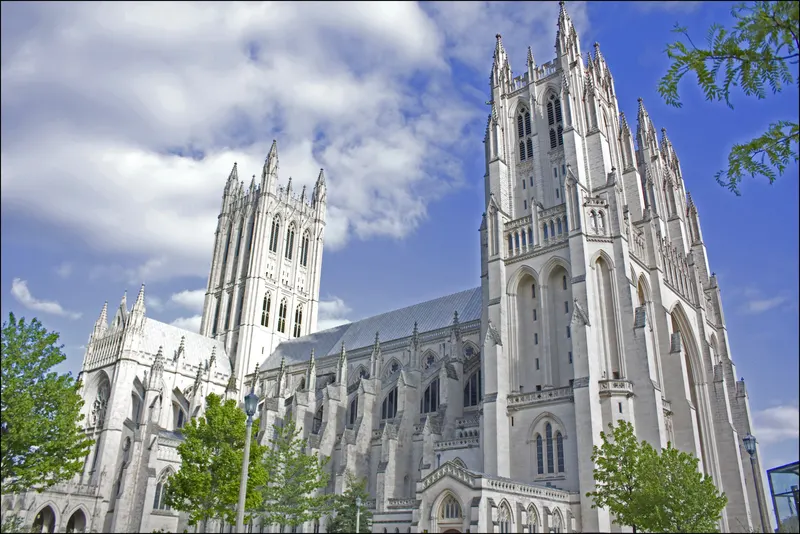
Washington National Cathedral Guide
How to visit Washington National Cathedral — the soaring Gothic nave, the famous stained glass and the Space Window, the tower climb and gardens, plus how to reach Mount St. Alban without a car.
Read guide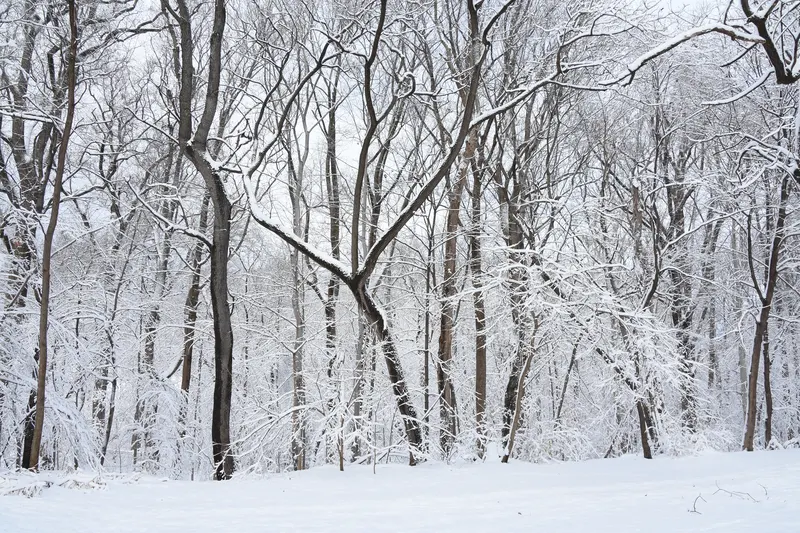
Rock Creek Park Guide
How to use Rock Creek Park — the trails, picnic groves and the Nature Center, the best ways in, how it pairs with the National Zoo, and how to take a real nature break in Washington without overcommitting your day.
Read guideMore in Things to Do
6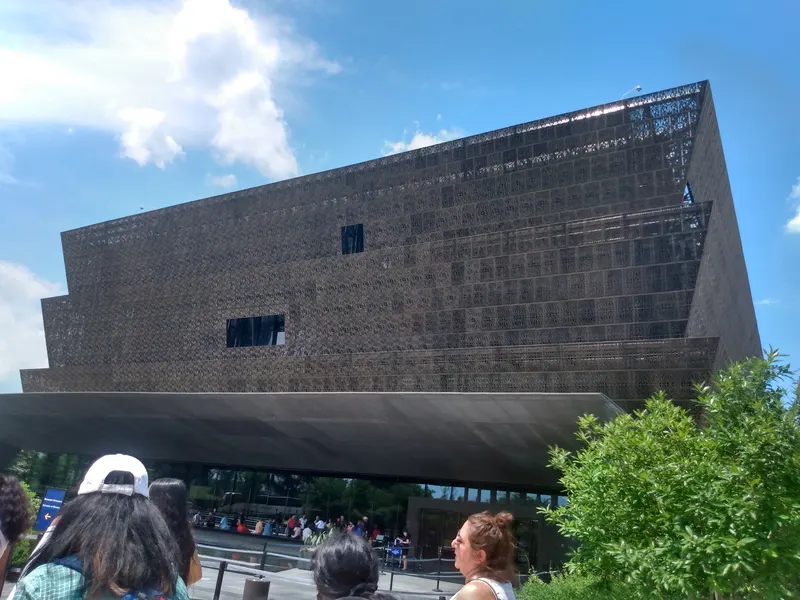
African American History Museum Guide
How to visit the National Museum of African American History & Culture on the Mall — the free timed-entry passes and how to get one, the deep underground history galleries, Sweet Home Café, the lines, how to pace an emotionally heavy visit, and the walk along the Mall.
Read guide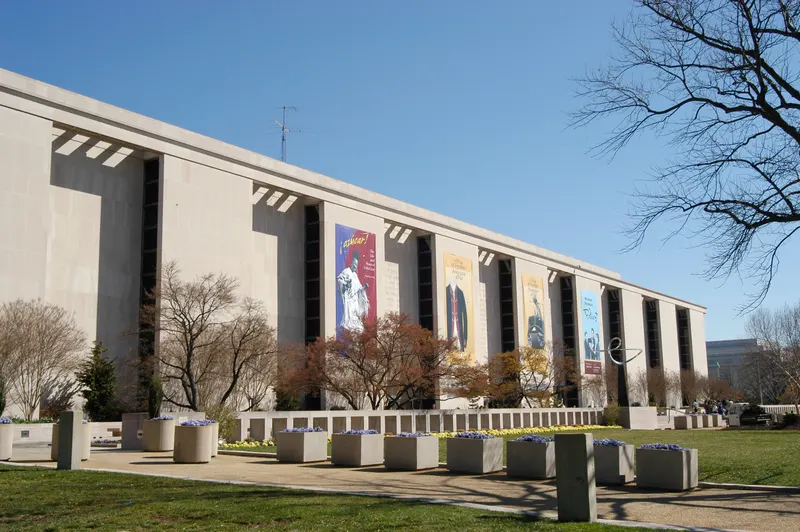
American History Museum Guide
How to visit the National Museum of American History on the Mall — the original Star-Spangled Banner, the First Ladies' gowns, the American presidency, the pop-culture icons, the food-court logistics, and how to time a visit around the school groups.
Read guide
Best Museums in Washington, D.C.
Washington has more world-class museums than any sane trip can hold, and almost all of them are free. This is a guide to the best museums in DC sorted by topic, age, ticket needs, location and rainy-day value — so you can choose two or three with confidence instead of trying to see them all.
Read guide
Best Photography Spots in Washington, D.C.
Where to make great photographs in Washington — the monument reflections, the Tidal Basin blossoms, the Capitol and Lincoln axis, Georgetown's waterfront, hidden rooftops and the golden-hour and blue-hour routes that tie them together.
Read guide
Best Things to Do in Washington, D.C.
A ranked first-trip shortlist of the best things to do in Washington, D.C. — from the National Mall and the free Smithsonian museums to a Capitol tour, the Tidal Basin and Georgetown — built so you can pick a handful and still feel you saw the city.
Read guide
Best Viewpoints in Washington, D.C.
Where to find the best views in Washington — the high monuments and free towers, the rooftop bars and cultural terraces, and the river and hilltop overlooks across the Potomac, ranked by how much effort each one asks.
Read guide