
Eastern Market Food Guide
How to eat and browse Eastern Market on Capitol Hill — Washington's oldest continually operating public market, the indoor South Hall food merchants, the famous weekend pancakes, the outdoor farmers' and arts-and-crafts markets, and how to pair it all with a Capitol Hill day.
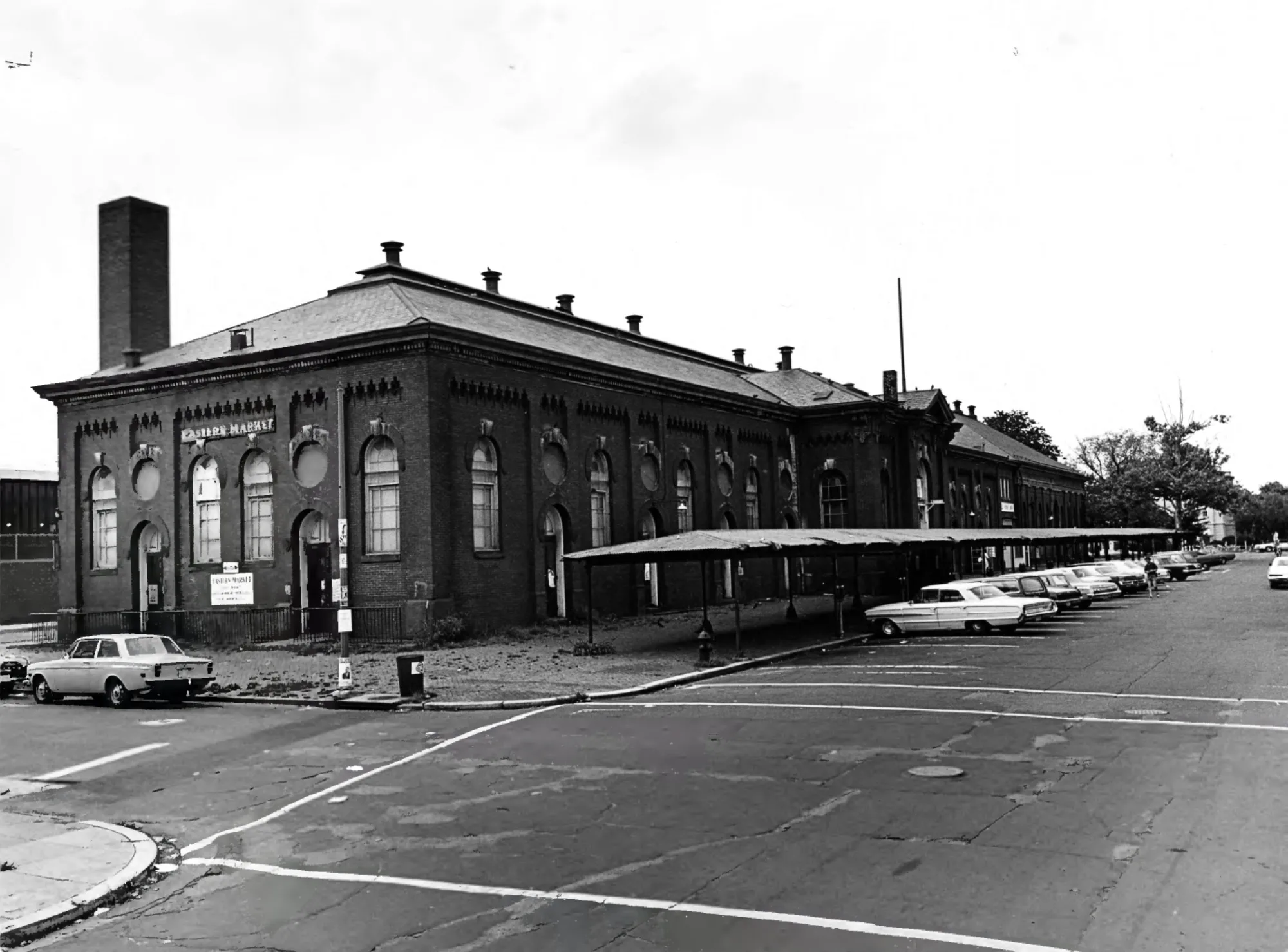
Photo: Robert Hughes / Wikimedia Commons · Public domain
- ✓Eastern Market is DC's oldest continually operating public market — a red-brick South Hall on Capitol Hill that's traded since the 1870s and still does, despite a major fire and rebuild.
- ✓Indoors, the South Hall is a row of independent food merchants: a butcher, a fishmonger, a cheese counter, a bakery, produce and a beloved breakfast counter.
- ✓The weekend is the event: outdoor farmers' stalls plus a large arts-and-crafts and flea market spill along Seventh Street and into the neighbourhood.
- ✓It's a working neighbourhood market that locals actually shop, not a tourist set-piece — which is exactly what makes it worth the trip.
- ✓It sits a short walk from the Capitol and Library of Congress, with its own Metro stop (Eastern Market, Blue/Orange/Silver), so it slots easily into a Capitol Hill morning.
- ✓Hours differ between the indoor hall and the outdoor markets, and individual merchants set their own — verify before you plan a specific breakfast or stall.
The Hill's living market
Eastern Market is the food heart of Capitol Hill and one of the most genuinely characterful stops in the city. The handsome red-brick market hall on Seventh Street SE has been trading since the 1870s, which makes it Washington's oldest continually operating public market — a working institution that survived a devastating fire and was rebuilt and reopened so the neighbourhood could keep shopping where it always had. It is not a curated attraction dressed up as a market; it is a market, full of regulars buying their dinner, which is precisely why visitors love it.
The pleasure of Eastern Market is that it does two things at once. Inside the South Hall you get a classic indoor market of independent food merchants — a butcher, a fishmonger, a cheese counter, a bakery, a produce stand and a famous breakfast spot — trading much as they have for generations. Outside, especially on weekends, the market explodes into the surrounding streets with farmers' stalls and a big arts-and-crafts and flea scene. Come on the right day and the whole block becomes a slow, sociable browse through food, flowers, art and bric-a-brac, with the Capitol dome a few streets away.

Inside the South Hall: what to eat
The South Hall is the indoor core, and the stalls along it are old-school food merchants rather than a hip food court. Expect a proper butcher and a fishmonger, a cheese and deli counter, a bakery, fresh produce and a flower seller — the makings of a real meal at home, and the reason locals shop here. For a visitor, the move is to graze: pick up cheese and bread for a Capitol picnic, sample what's at the counters, and treat the hall as a place to assemble lunch from the best of several stalls. The merchants change slowly here, but it's still worth checking who's trading and their hours before you build a plan around one counter.
The single most famous order inside is breakfast: Eastern Market's South Hall is known for its weekend pancakes — blueberry-buckwheat especially — served at a busy lunch-counter that draws a long, good-natured line on Saturday and Sunday mornings. If that's your goal, come early; the queue is part of the experience but it grows fast. A full hot breakfast or a stack of pancakes here, then a wander through the outdoor markets, is one of the better unhurried mornings on the Hill. As always, verify the breakfast counter's current days and hours before you set your alarm for it.
- The indoor South Hall is a row of true food merchants: butcher, fishmonger, cheese and deli, bakery, produce and flowers.
- Graze and assemble — pick up bread, cheese and more for a picnic near the Capitol.
- The famous order is weekend breakfast: blueberry-buckwheat pancakes at the South Hall lunch counter.
- Come early on Saturday or Sunday for the pancake line; it's part of the experience but builds quickly.
- Merchants and hours vary — verify the counter you're aiming for before you go.
The weekend markets outside
If you can choose your day, choose the weekend — that's when Eastern Market is fullest and most fun. The outdoor scene wraps the indoor hall: a farmers' market with produce, flowers and prepared food, and a separate arts-and-crafts and flea market that fills the plaza and the closed-off block of Seventh Street with vendors selling art, prints, jewellery, antiques, vintage and the kind of one-off finds you can't plan for. It's a browse rather than a shop-with-a-list, and it draws a happy mix of Hill locals, families and visitors. The two outdoor markets are run separately from the indoor hall and from each other, so days and hours don't always line up — check the current schedules before you commit to a particular Saturday or Sunday plan.
On a weekday the experience is quieter and more about the indoor merchants than the outdoor stalls, which is fine if you want a calmer browse and a pancake without the line. But the weekend is when the market truly becomes a neighbourhood event, and it pairs beautifully with the surrounding streets: the brick rowhouses, the small shops and cafés along Seventh and on nearby Barracks Row, and the easy stroll back toward the Capitol. Treat the outdoor markets as the headline act and the indoor hall as the reliable anchor, and pick your day accordingly.
- Weekends bring the full experience: an outdoor farmers' market plus a large arts-and-crafts and flea market on Seventh Street.
- Expect art, antiques, vintage, jewellery and produce — a browse, not a checklist shop.
- The outdoor markets run separately from the indoor hall, with their own days and hours — verify before you go.
- Weekdays are quieter and more about the indoor merchants; weekends are the neighbourhood event.
Pairing it with a Capitol Hill day
Eastern Market's best asset for a visitor is its location: it's deep in Capitol Hill, a short walk from the Capitol, the Library of Congress and the Supreme Court, which makes it the natural food stop on a day spent around the seat of government. The smart sequence is to do your timed or ticketed government sights in the morning — when you have to be on someone else's schedule — and let the market be the relaxed, on-your-own-time bookend, either an early breakfast before or a late, grazing lunch after. It's also a short hop to Barracks Row (Eighth Street SE), the neighbourhood's main eat-and-drink strip, if you want a sit-down meal to follow the market browse.
Because so much of Capitol Hill's appeal is the residential fabric around the monuments — the leafy streets, the rowhouses, the corner shops — the market is the most enjoyable way to step off the federal track and into the actual neighbourhood for an hour. Pair it with the Hill's headline sights and you get a fuller, more human day than the Mall alone delivers. For the wider area — the Capitol, the Library of Congress, where to stay and what else to see — the Capitol Hill neighbourhood guide ties it all together.
- A short walk from the Capitol, Library of Congress and Supreme Court — the natural food stop on a Hill day.
- Do the ticketed government sights first; make the market the relaxed, on-your-own-time bookend.
- Barracks Row (Eighth Street SE) is close for a sit-down meal after a market browse.
- The most enjoyable way to step off the federal track into the real residential neighbourhood.
Getting there and practicalities
Getting to Eastern Market is genuinely easy: it has its own Metro stop, Eastern Market station (Blue, Orange and Silver lines), a couple of blocks from the hall, which is a rare convenience for a neighbourhood market. From the Mall or downtown it's a short ride, and a SmarTrip card covers rail and bus across the city. If you're already on Capitol Hill, it's an easy, flat walk through the rowhouse streets. Driving and parking are far more trouble than they're worth, especially on a busy weekend, so come by Metro.
A few practical notes worth carrying: hours differ between the indoor South Hall and the two outdoor markets, and individual merchants set their own times, so always check the current schedules before banking on a specific breakfast, stall or merchant. Weekends are busiest and most rewarding; bring a tote if you plan to shop the merchants or the farmers' stalls, and a little cash never hurts at the smaller outdoor vendors even where cards are taken. Above all, treat it as a place to wander and graze rather than tick off — that's how the Hill actually uses it.
- Eastern Market station (Blue / Orange / Silver) is a couple of blocks away — come by Metro, not car.
- A SmarTrip card covers rail and bus; from the Mall or downtown it's a short ride.
- Indoor and outdoor markets keep different hours, set per-merchant — verify before relying on a specific one.
- Bring a tote for shopping and a little cash for smaller outdoor vendors; weekends are busiest and best.
At a glance
A quick reference for fitting Eastern Market into a Capitol Hill day. Indoor and outdoor markets keep separate, per-merchant hours, so confirm the current schedules before you build a plan around a particular breakfast or stall.
- What it is: DC's oldest continually operating public market — an indoor food hall plus weekend outdoor markets, on Capitol Hill.
- Where: Seventh Street SE, a few blocks east of the Capitol and Library of Congress.
- Nearest Metro: Eastern Market station (Blue / Orange / Silver), a couple of blocks away.
- Best day: a weekend for the full outdoor farmers' and arts-and-crafts scene; weekdays are quieter.
- Don't miss: the South Hall food merchants and the famous weekend blueberry-buckwheat pancakes (come early).
- Cost: free to browse; pay only for what you buy or eat.
- Pairs with: the Capitol, Library of Congress, Supreme Court and Barracks Row dining.
- Verify: indoor vs outdoor hours and the breakfast counter's current days before you go.
Common questions
Is Eastern Market worth visiting? Yes — it's DC's oldest public market and a real, working part of Capitol Hill, with food merchants indoors and a big weekend arts and farmers' scene outside. It's a highlight for anyone who likes markets.
What's the best day to go? A weekend for the full experience — the outdoor farmers' and arts-and-crafts markets only really fire then. Weekdays are quieter and more about the indoor hall. Verify current hours.
What should I eat? Graze the indoor South Hall merchants and, on weekends, queue for the famous blueberry-buckwheat pancakes at the breakfast counter. Come early to beat the line.
How is it different from Union Market? Eastern Market is an older, traditional public market with an outdoor weekend scene on Capitol Hill; Union Market in NoMa is a modern indoor food hall. They're different moods — many visitors enjoy both.
How do I get there? Eastern Market Metro station (Blue / Orange / Silver) is a couple of blocks away. It's a short ride from the Mall and an easy walk if you're already on the Hill.
Is it free? Yes — browsing the market is free; you only pay for what you buy or eat. Treat specific merchants, prices and hours as 'verify before you go'.

Related guides

Capitol Hill, Washington, D.C.
The neighbourhood behind the dome — Capitol Hill's pastel rowhouses, the U.S. Capitol and Library of Congress, the weekend bustle of Eastern Market, the Barracks Row restaurants and the family-friendly, residential character that makes it one of the best bases in the city.
Read guide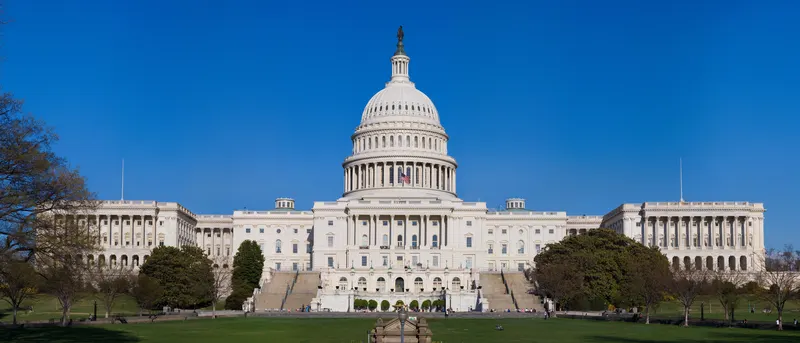
U.S. Capitol Tour Guide
How to tour the United States Capitol — booking a free pass through the Capitol Visitor Center or your member of Congress, what the guided tour covers (the Rotunda, the old Hall, the Crypt), how to clear security, and how to add the Library of Congress and a House or Senate gallery visit.
Read guide
Best Brunch in Washington, D.C.
Where to brunch in Washington, D.C. — the best brunch neighbourhoods, how reservations and bottomless deals work, family-friendly picks and the smartest way to plan a slow weekend morning around the city's sights.
Read guideMore in Food & Drink
6
Adams Morgan & U Street Nightlife
How to have a great night out in Washington, D.C. — comparing the two big going-out districts, Adams Morgan and the U Street / Shaw corridor: live music and jazz, cocktail bars and dives, rooftops, late-night food, and how to get home safely by Metro, bus and ride-hail.
Read guide
Best Cocktail Bars in Washington, D.C.
Where to drink well in Washington, D.C. — the city's craft cocktail bars by mood and neighbourhood, from date-night rooms and grand hotel bars to speakeasy-style hideaways, with advice on reservations, timing and dressing the part.
Read guide
Best Coffee & Cafés in Washington, D.C.
A guide to coffee in Washington, D.C. — the local specialty roasters, the work-friendly cafés, the museum-adjacent stops near the Mall, and which neighbourhoods have the densest coffee clusters, plus how to find a good cup on a sightseeing day.
Read guide
Best Ethiopian Food in Washington, D.C.
Why Washington is one of America's great Ethiopian eating cities — where to find it in Shaw and on U Street, how to order injera and shared platters, the vegan fasting feast, and how to fit an Ethiopian dinner into a DC trip.
Read guide
Best Food Halls & Markets in Washington, D.C.
The best food halls and public markets in Washington, D.C. — Union Market in NoMa, historic Eastern Market on Capitol Hill, the Wharf's Municipal Fish Market and more. The easiest group, family and indecisive-table meals in the city, with what to eat and when to go.
Read guide
Best Restaurants in Washington, D.C.
A traveller-ready guide to the best restaurants in Washington, D.C., sorted by neighbourhood, mood, budget, reservation need and sightseeing route — from the city's defining half-smoke and Ethiopian feasts to José Andrés's flagships and the rooms worth booking weeks ahead.
Read guide