
White House Tour Guide
How a public White House tour actually works — who can request one, how far ahead to ask, what security to expect, the realistic odds, and the views you can have without a ticket.
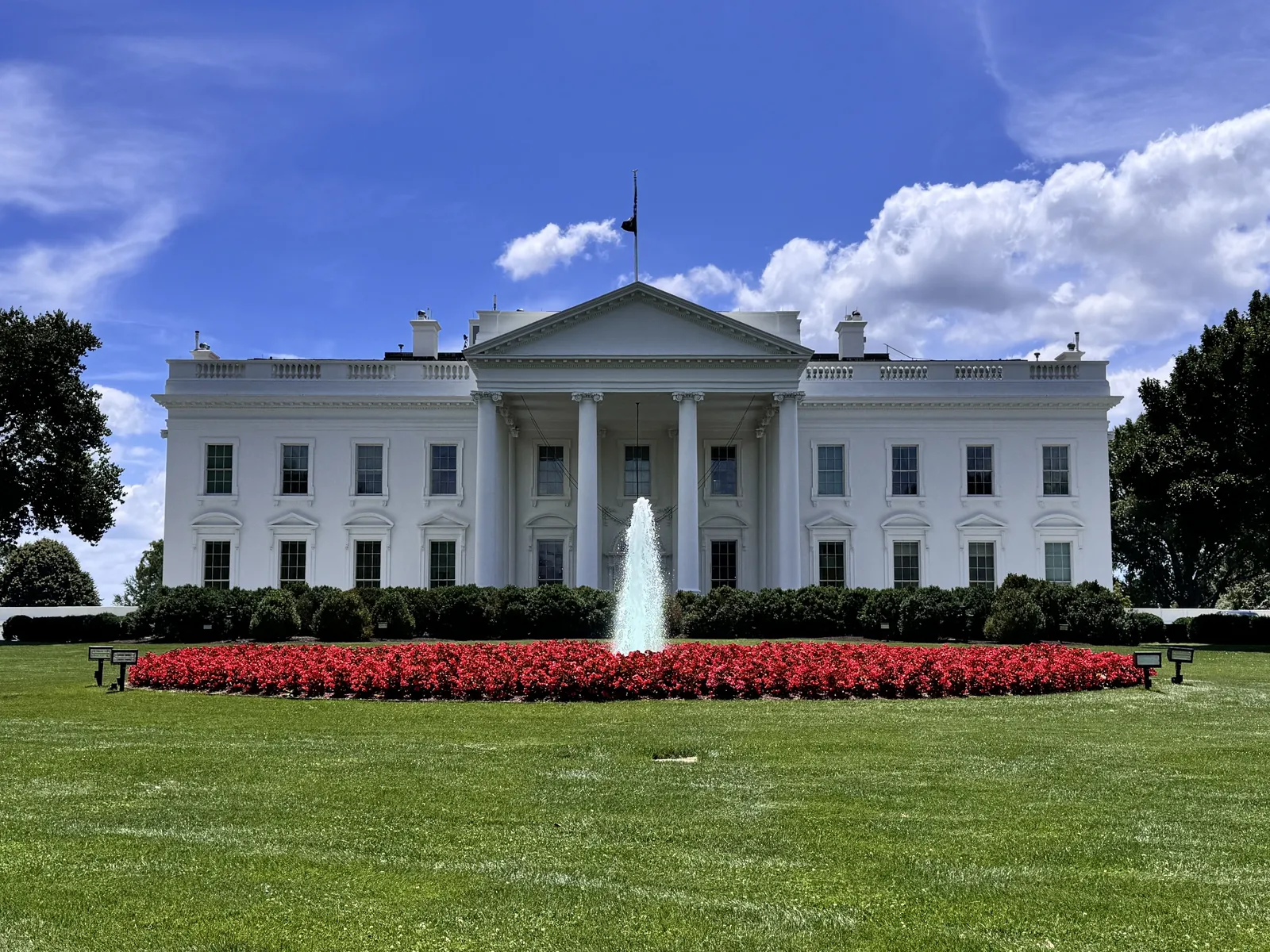
Photo: DJTechYT / Wikimedia Commons · CC BY-SA 4.0
- ✓There is no ticket counter and no online booking for the White House — every public tour is arranged through a member of Congress, or, for overseas visitors, through your embassy in Washington.
- ✓Requests go in early: the guidance is to ask many weeks ahead, and demand far outstrips the spaces, so an early request and a flexible date matter more than anything.
- ✓Tours are free, self-guided and walk you through the grand public rooms of the State Floor — not the Oval Office or the residence. The tour route and entrance have changed in recent years, so confirm the current path when your visit is confirmed.
- ✓Security is strict and the prohibited-items list is long; bring a valid photo ID that matches your request exactly and travel light.
- ✓Even without a tour you can stand at the fence on Pennsylvania Avenue and in Lafayette Square, and the nearby White House Visitor Center tells the building's story for free.
There is no ticket — only a request
The first thing to understand about visiting the White House is that you cannot buy a ticket. There is no box office, no timed-entry pass online, no tour operator who can sell you a way in. Public tours of the White House are free, and the only way to ask for one is through a member of Congress — which means the process feels more like petitioning your government than booking a sightseeing slot. That is part of the charm of it, and part of the reason a successful visit feels earned.
For citizens of the United States, the route runs through your senators or your representative in the House. Each congressional office handles a pool of tour requests for its constituents, submits them to the White House, and passes back whatever the answer is. For visitors from other countries, the equivalent path is your country's embassy in Washington, which can submit a request on your behalf. Either way, the request is the product — there is no shortcut around it, and anyone selling you 'White House tour tickets' is selling something the White House does not offer.

How to request a tour, step by step
The mechanics are straightforward once you know where to start. Plan well ahead — the standing guidance is to submit your request as far in advance as you can, typically many weeks before your trip, because the number of people who want in vastly exceeds the spaces available on any given day. Treat a White House tour as the one fixed point you build the trip around, not a thing you slot in once you arrive.
Identify the right office, send your request through their website or tour-request form, and supply the details they ask for — full legal names, dates of birth and identification information for everyone in your party, which the White House requires for its security screening. Then wait. Confirmation, if it comes, usually arrives close to the date, and it will spell out the exact time, the entrance to use and the rules. Because timing is uncertain, keep the morning or afternoon of your requested day loose so a late confirmation doesn't collide with something you can't move.
- US visitors: request through your two senators or your House representative, via their official websites.
- International visitors: request through your country's embassy in Washington, D.C.
- Submit as far ahead as possible — weeks, not days — and give a flexible date if you can.
- Provide full legal names and the ID details for every person in your party exactly as on their documents.
- Watch for confirmation close to the date, and don't book anything immovable for that time slot.
What the tour is — and is not
A public tour is a self-guided walk through the historic public rooms, not a guided march and not a peek into the working West Wing. You move at your own pace through the grand, named State Floor rooms — the kind of spaces used for state dinners and ceremonies — with Secret Service officers and staff on hand to answer questions along the way. The exact rooms and route can change (the tour entrance and stops have been revised in recent years), so check the current path when your visit is confirmed. You will not see the Oval Office, the private residence or the President; those are not part of any public visit.
Plan for a fairly brisk experience rather than a leisurely afternoon. The route is a loop through the public rooms, and the whole thing tends to be measured in tens of minutes rather than hours. It is memorable precisely because of where you are standing, not because of how long it lasts — the value is in having walked through the people's house at all.
Security, ID and what you can't bring
Expect airport-grade security and then some. Everyone is screened, the guest list is checked against the names submitted in advance, and a valid government-issued photo ID is required for every adult — it must match the request, so use the exact name on the document when you apply. Arrive at the time and entrance you're told, not earlier and not at a different gate, and build in margin for the line.
The prohibited-items list is long and changes, so check the current version before you go rather than relying on memory. As a rule, travel as light as you possibly can: large bags, strollers, and many everyday items are not permitted, and there is no coat or bag check on site, so anything you can't bring in has nowhere to go. The simplest approach is to carry almost nothing — your ID, your phone if allowed, and little else.
- Bring a valid government-issued photo ID for every adult; the name must match your tour request exactly.
- Travel light — there is no bag or coat check, so prohibited items simply can't come.
- The prohibited-items list is long and subject to change; check the official list shortly before your visit.
- Arrive at the assigned time and entrance, and allow extra time for screening.
If the tour doesn't come through
Be realistic: many requests are not granted, tours can be suspended at short notice for events or security, and even a confirmed slot can shift. None of that should ruin a visit, because the White House is one of the few world landmarks you can enjoy almost as well from the outside. From the fence on Pennsylvania Avenue you get the classic North Portico view, and from the south side along E Street you can see the South Lawn and the rounded South Portico. Lafayette Square, the park directly north, is the calm, leafy place to take it all in.
Then walk two minutes to the White House Visitor Center, which is free, needs no request and is open to all. Its exhibits, films and artefacts tell the story of the building and the families who have lived in it — a satisfying substitute that many visitors find they enjoy more than the brisk tour itself. Pair the fence views and the visitor center, and you have had a proper White House morning whether or not the tour ever materialised.
Common questions
How do I get White House tour tickets? You don't — there are no tickets. US citizens request a free tour through a member of Congress; international visitors request through their embassy in Washington.
How far ahead should I request? As far ahead as you can, typically many weeks before your trip. Demand greatly exceeds capacity, so early and flexible requests do best.
How much does it cost? Nothing. Public tours of the White House are free; anyone charging you for entry is not selling a real White House tour.
Will I see the Oval Office or the President? No. Public tours cover the historic public rooms only — not the West Wing, the residence or the Oval Office.
What if my request isn't granted? You can still see the house from the fence on Pennsylvania Avenue and from Lafayette Square, and visit the free White House Visitor Center nearby.

Related guides

White House Visitor Center & Viewpoints
The free, no-ticket way to experience the White House — the Visitor Center's exhibits, the best public views from Pennsylvania Avenue and Lafayette Square, and how it all fits with a tour request.
Read guide
Capitol & White House Tour Planning
How official tours of the two most famous buildings in Washington actually work — the request windows, who to ask, the security to expect, realistic odds, and the strong free backups if a tour doesn't come through.
Read guide
Downtown & Penn Quarter, Washington, D.C.
The most central place to stay in Washington — Penn Quarter and the surrounding downtown, where the free museums, the big theatres, the arena, the restaurants and four Metro lines all sit within a few walkable blocks of the National Mall.
Read guideMore in Things to Do
6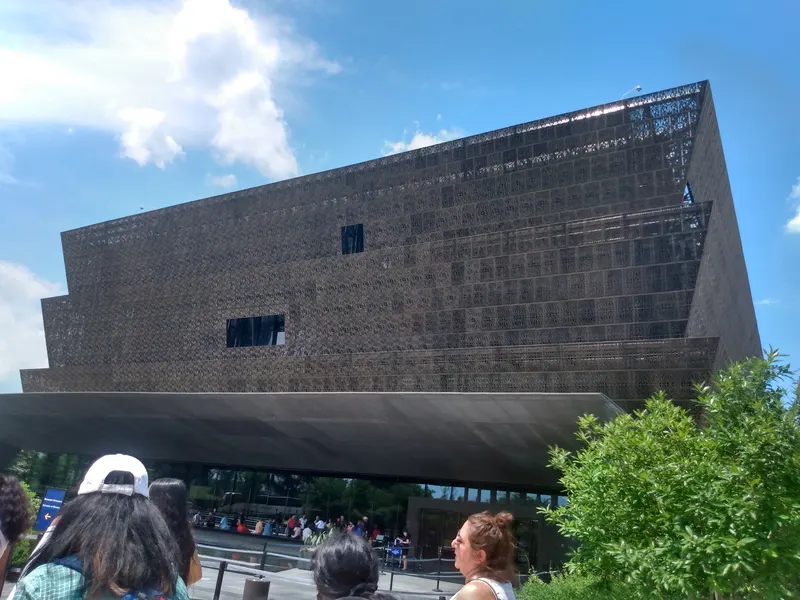
African American History Museum Guide
How to visit the National Museum of African American History & Culture on the Mall — the free timed-entry passes and how to get one, the deep underground history galleries, Sweet Home Café, the lines, how to pace an emotionally heavy visit, and the walk along the Mall.
Read guide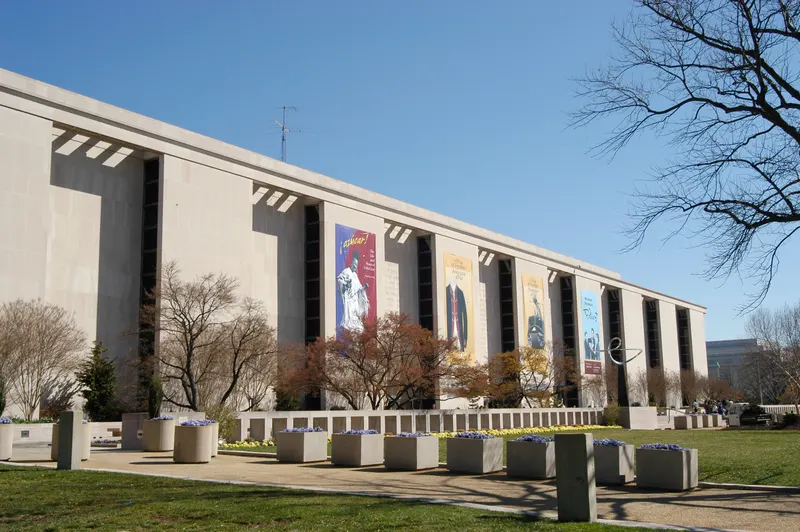
American History Museum Guide
How to visit the National Museum of American History on the Mall — the original Star-Spangled Banner, the First Ladies' gowns, the American presidency, the pop-culture icons, the food-court logistics, and how to time a visit around the school groups.
Read guide
Best Museums in Washington, D.C.
Washington has more world-class museums than any sane trip can hold, and almost all of them are free. This is a guide to the best museums in DC sorted by topic, age, ticket needs, location and rainy-day value — so you can choose two or three with confidence instead of trying to see them all.
Read guide
Best Photography Spots in Washington, D.C.
Where to make great photographs in Washington — the monument reflections, the Tidal Basin blossoms, the Capitol and Lincoln axis, Georgetown's waterfront, hidden rooftops and the golden-hour and blue-hour routes that tie them together.
Read guide
Best Things to Do in Washington, D.C.
A ranked first-trip shortlist of the best things to do in Washington, D.C. — from the National Mall and the free Smithsonian museums to a Capitol tour, the Tidal Basin and Georgetown — built so you can pick a handful and still feel you saw the city.
Read guide
Best Viewpoints in Washington, D.C.
Where to find the best views in Washington — the high monuments and free towers, the rooftop bars and cultural terraces, and the river and hilltop overlooks across the Potomac, ranked by how much effort each one asks.
Read guide