
What to Eat in Washington, D.C.
The dishes that define eating in Washington, D.C. — the half-smoke and mumbo sauce, the Ethiopian injera feasts of Shaw, Chesapeake blue crab and Old Bay, Salvadoran pupusas, jumbo slices and the local orders worth seeking out before you worry about which restaurant.
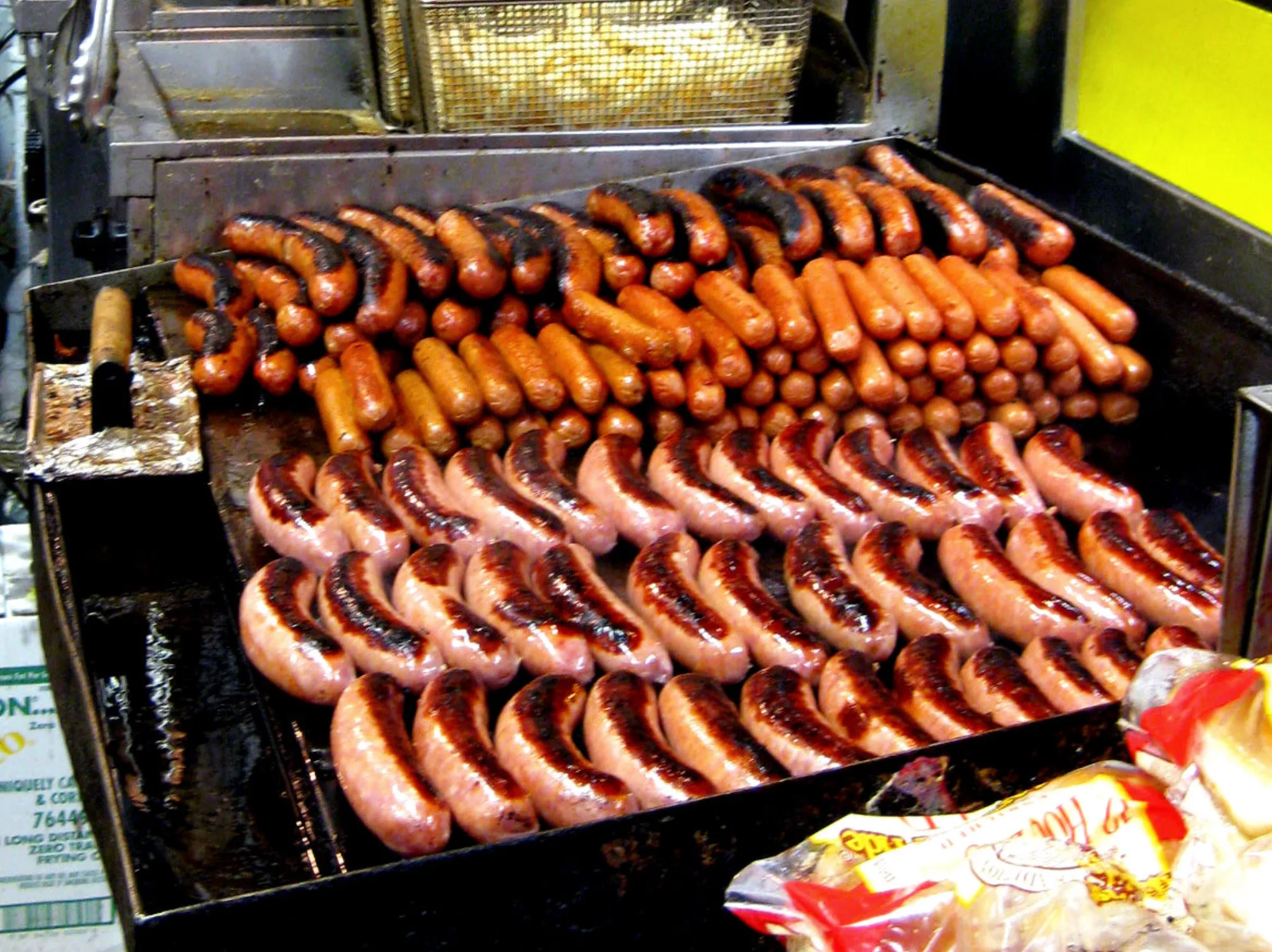
Photo: Joe Loong / Wikimedia Commons · CC BY-SA 2.0
- ✓The half-smoke is DC's own dish — a coarse, smoky sausage under chilli and onions, classically at Ben's Chili Bowl.
- ✓Mumbo sauce is the city's signature condiment, a sweet-tangy red sauce on wings, fries and fried rice from corner carry-outs.
- ✓Shaw and U Street hold one of the country's biggest Ethiopian dining scenes — a shared injera feast is an essential DC meal.
- ✓The Chesapeake palate means blue crab and Old Bay, crab cakes and crab dip — the taste of the bay at the city's doorstep.
- ✓Beyond the classics: Salvadoran pupusas, jumbo pizza slices, Vietnamese pho and a deep immigrant food culture across the region.
- ✓Most of these are casual, walk-in and affordable — the city's best eating isn't its priciest. Verify any specific hours close to your trip.
What makes DC food, DC food
Washington's reputation as a buttoned-up government town does its food no justice at all. This is a genuinely cosmopolitan capital — a city of embassies, immigrants and old neighbourhoods — and it has both a handful of dishes that are truly its own and a deep bench of cooking brought here from around the world. Before you pick a restaurant, it helps to know what to order, because the right dish matters more than the right address.
Think of the city's food in two layers. The first is the local canon: the half-smoke, mumbo sauce and the Chesapeake's blue crab, all native to this place. The second is the immigrant cooking that defines daily eating across the region — above all the Ethiopian restaurants of Shaw, but also Salvadoran pupusas, Vietnamese pho and West African and Central American kitchens. Eat across both layers and you have tasted the real Washington.
The half-smoke
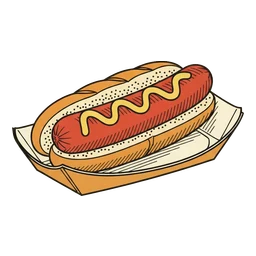
If Washington has a single signature dish, it is the half-smoke. The name describes a coarse, smoky sausage — traditionally a half-beef, half-pork blend — that is spicier and more textured than a standard hot dog. It is split, griddled and served on a bun, classically buried under chilli, chopped onions and mustard. It is unfussy, deeply local, and the closest thing the city has to a hometown order.
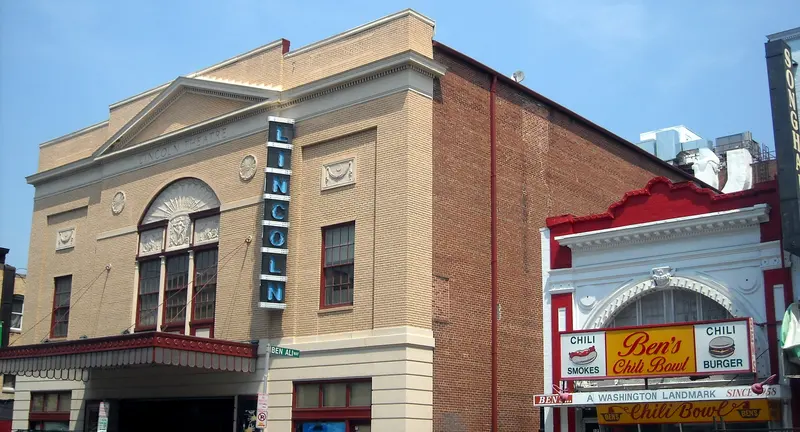
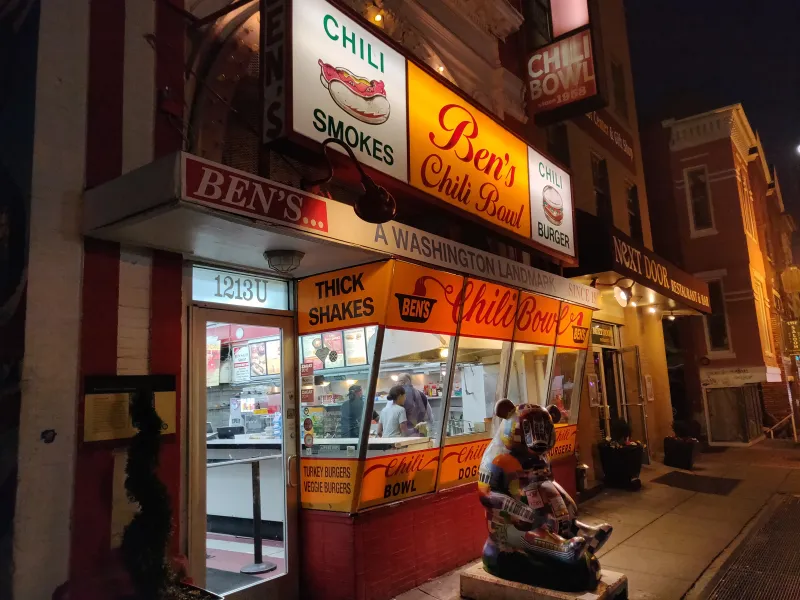
The place to eat one is Ben's Chili Bowl, the U Street institution open since 1958 that fed the neighbourhood through its jazz heyday and the decades since. It remains a working diner rather than a tourist set piece, and its chili half-smoke is the canonical version. You will find half-smokes elsewhere too — at ballgames, food halls and other diners — but the U Street original is the pilgrimage.
Mumbo sauce
Mumbo sauce — sometimes spelled mambo sauce — is DC's homegrown condiment, a sweet, tangy, slightly spicy red sauce whose exact recipe and origin locals will cheerfully argue about for hours. It is the standard finish on chicken wings, fried rice and french fries at carry-out spots across the city, especially east of the river and in the historically Black neighbourhoods where it took hold.
There is no fine-dining version and there does not need to be — mumbo sauce is carry-out food, ordered at a counter behind plexiglass and eaten from a styrofoam box. Trying it is less about a specific restaurant than about ordering wings with mumbo at a neighbourhood spot and tasting a flavour you will find nowhere else in the country.
An Ethiopian feast
One of the great surprises of eating in Washington is that it sustains one of the largest Ethiopian dining scenes in the United States, concentrated in Shaw and along the U Street corridor — an area locals have long nicknamed for its Ethiopian community. An Ethiopian meal here is as essential a DC experience as any monument.
The format is communal and hands-on: a large round of spongy, slightly sour injera bread arrives topped with mounds of richly spiced stews — doro wat (chicken), key wat (beef), lentils, collards and vegetable purées — and you tear the injera to scoop everything up, no cutlery required. It is built for sharing, generous with vegetarian options, and a wonderful meal for a table of friends. Order a combination platter if you are unsure, and let the kitchen show you the range.
Chesapeake blue crab & Old Bay
Washington sits at the head of the Chesapeake Bay, and the regional palate is shaped by it. The defining taste is blue crab, classically steamed and dusted heavily in Old Bay seasoning, then picked by hand at a paper-covered table — a messy, social, summer ritual across the wider region. You will also meet crab in its more portable forms: the crab cake, ideally more crab than filler, and warm, gooey crab dip with bread.
In the city itself, the Municipal Fish Market at the Wharf is the spot to see it at the source, with steamed crabs and shucked oysters sold off floating barges. And the moment you take a day trip toward Annapolis or the Eastern Shore, crab moves from a dish to the entire point of the journey. Old Bay, meanwhile, ends up on everything here — fries, popcorn, even the rim of a drink.

Pupusas and the immigrant table
The Washington region is home to one of the country's largest Salvadoran and Central American communities, and the pupusa is their great gift to the local everyday table — a thick, hand-patted corn cake stuffed with cheese, beans or pork, griddled until golden and served with curtido (a tangy cabbage slaw) and salsa. They are cheap, filling and found across Columbia Heights, Adams Morgan, Mount Pleasant and the inner Maryland and Virginia suburbs.
Beyond pupusas, the immigrant table runs deep: Vietnamese pho and banh mi (the Eden Center across the river in Falls Church is a destination in its own right), Korean cooking, West African stews, and Central American bakeries. None of this is hidden or hard to reach — it is simply how a huge share of the region actually eats, and some of the most satisfying, best-value meals you can have here.
Vietnamese, Korean and the wider region
Greater Washington's immigrant table extends well beyond pupusas. The Vietnamese scene is a genuine destination: the Eden Center, a sprawling commercial hub across the river in Falls Church, Virginia, is one of the East Coast's most important Vietnamese centres, packed with restaurants serving pho, bun bo Hue, banh mi and che desserts, plus bakeries and grocers. It is worth the trip out for anyone who loves the cuisine.
Closer in, Korean barbecue and stews, West African jollof and stewed meats, Peruvian rotisserie chicken, and Central American bakeries all thrive across the District and its inner suburbs. The honest truth is that some of the region's best and best-value eating is in unassuming strip-mall restaurants well off the National Mall — so if you have an adventurous day to spare, ride a few stops out and follow the crowds of locals. You will eat better, and cheaper, than almost anywhere downtown.
The jumbo slice and late-night DC
No account of DC eating is complete without the jumbo slice — the absurdly oversized, fold-it-in-half pizza slice that has fuelled Adams Morgan's late nights for decades. It is not high cuisine, and that is entirely the point: it is the city's classic after-the-bars order, a rite of passage for students and night owls alike.
Late-night Washington has more than pizza, of course — half-smokes, dumplings and global street food keep the small hours fed, especially around Adams Morgan, U Street and the H Street corridor. If your evening runs long, lean into it; some of the city's most fondly remembered meals happen well after midnight.
What to drink with it
A few drinks round out the local table. DC is a serious cocktail city, so a well-made drink at a neighbourhood bar in Shaw, on the H Street corridor or downtown is a fitting way to start or end a meal — the city's bartenders treat a cocktail with real care. For beer, the local breweries cluster in Ivy City and around Navy Yard, with easy taprooms that make a good group stop, especially before or after a Nationals game.
There is no single iconic DC beverage to chase the way there is a half-smoke to eat, but the city's bay setting nudges things toward crisp whites and sparkling wine with oysters, cold lagers with steamed crab, and Old Bay finding its way onto the rim of a Bloody Mary at brunch. Whatever you order, the rule that matters most is the same as for food: the best rooftops and cocktail rooms fill on weekend evenings, so go early or be ready to wait.
Sweets, markets and a few more orders
Round out the list with the softer pleasures. Eastern Market on Capitol Hill is famous for its weekend blueberry-buckwheat pancakes, a Saturday-morning institution worth getting up for. Georgetown is the city's sweet-tooth stroll, with cupcake shops and waterfront ice cream. The food halls hide their own bakeries and dessert counters, and the markets are the place to graze a meal together from a dozen small stalls.
A last handful of orders to keep in mind: oysters and a glass of wine at a Wharf raw bar; a museum break at the Native-foodways café in the National Museum of the American Indian, one of the better Mall-area meals; and a strong local coffee from one of the city's third-wave roasters between sights. The throughline of DC eating is variety and value — order widely, share generously, and don't let the marble fool you into thinking the capital can't cook.
 Best food halls & markets in DC
Union Market, Eastern Market and the easiest way to graze the city's flavours.
 Washington DC food tours
A guided way to taste the local dishes with the history behind them.
 Restaurants near the National Mall
Where to surface for a real meal between the museums and monuments.
Related guides
Food & Drink in Washington, D.C.
The complete guide to eating and drinking in Washington, D.C. — the half-smoke and mumbo sauce, the Ethiopian restaurants of Shaw, Chesapeake crab, food halls and markets, rooftop bars with monument views, brunch, coffee and food tours, all sorted by neighbourhood and mood.
Read guide
Best Ethiopian Food in Washington, D.C.
Why Washington is one of America's great Ethiopian eating cities — where to find it in Shaw and on U Street, how to order injera and shared platters, the vegan fasting feast, and how to fit an Ethiopian dinner into a DC trip.
Read guideBest Food Halls & Markets in Washington, D.C.
The best food halls and public markets in Washington, D.C. — Union Market in NoMa, historic Eastern Market on Capitol Hill, the Wharf's Municipal Fish Market and more. The easiest group, family and indecisive-table meals in the city, with what to eat and when to go.
Read guideMore in Food & Drink
6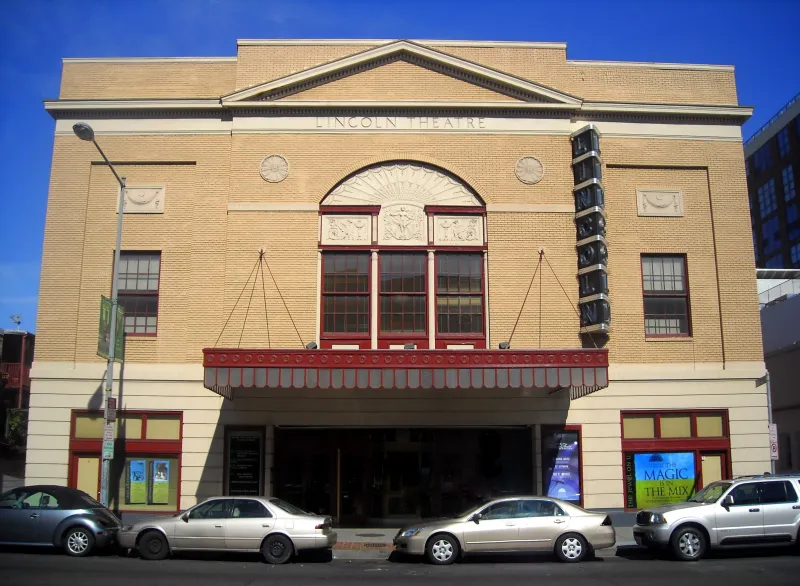
Adams Morgan & U Street Nightlife
How to have a great night out in Washington, D.C. — comparing the two big going-out districts, Adams Morgan and the U Street / Shaw corridor: live music and jazz, cocktail bars and dives, rooftops, late-night food, and how to get home safely by Metro, bus and ride-hail.
Read guide
Best Brunch in Washington, D.C.
Where to brunch in Washington, D.C. — the best brunch neighbourhoods, how reservations and bottomless deals work, family-friendly picks and the smartest way to plan a slow weekend morning around the city's sights.
Read guide
Best Cocktail Bars in Washington, D.C.
Where to drink well in Washington, D.C. — the city's craft cocktail bars by mood and neighbourhood, from date-night rooms and grand hotel bars to speakeasy-style hideaways, with advice on reservations, timing and dressing the part.
Read guide
Best Coffee & Cafés in Washington, D.C.
A guide to coffee in Washington, D.C. — the local specialty roasters, the work-friendly cafés, the museum-adjacent stops near the Mall, and which neighbourhoods have the densest coffee clusters, plus how to find a good cup on a sightseeing day.
Read guide
Best Restaurants in Washington, D.C.
A traveller-ready guide to the best restaurants in Washington, D.C., sorted by neighbourhood, mood, budget, reservation need and sightseeing route — from the city's defining half-smoke and Ethiopian feasts to José Andrés's flagships and the rooms worth booking weeks ahead.
Read guide
Best Rooftop Bars in Washington, D.C.
Where to drink with a view in Washington, D.C. — the rooftop bars with monument and skyline panoramas, the riverfront terraces, the hotel rooftops, and how the city's federal height limit shapes the whole rooftop scene, plus reservation and timing advice.
Read guide