
National Museum of the American Indian Guide
How to visit the National Museum of the American Indian in Washington — the curved limestone architecture, the Native-told exhibitions, the Mitsitam Native Foods Café, who it suits, and how to pair it with the Capitol-side sights nearby.
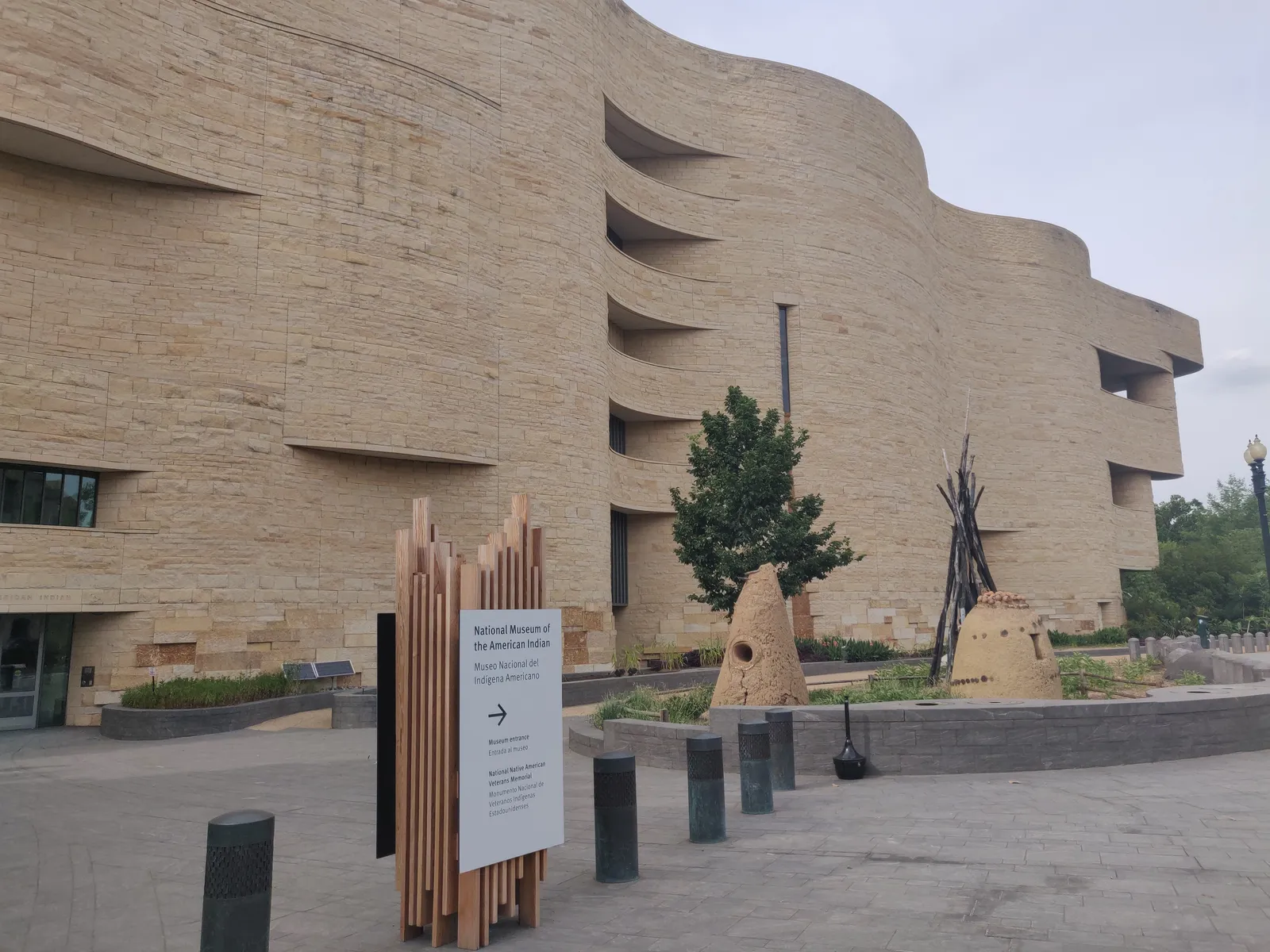
Photo: Kurt Kaiser / Wikimedia Commons · CC0
- ✓A free Smithsonian museum at the Capitol end of the Mall, dedicated to the histories, cultures and living presence of Native peoples of the Americas — and shaped in close consultation with Native communities.
- ✓The building is a landmark in its own right: flowing, curved limestone walls and a landscaped site of wetlands and meadow that deliberately break the Mall's rigid geometry.
- ✓The Mitsitam Native Foods Café reimagines indigenous ingredients by region — one of the best and most distinctive museum meals in the city, though it's a paid café, not a deal; verify hours.
- ✓Permanent and changing exhibitions are told in Native voices, which makes for a more reflective, less object-by-object museum than its neighbours.
- ✓It stands beside the U.S. Botanic Garden and within sight of the Capitol, so it pairs naturally with the eastern, Capitol-Hill side of a Mall day.
A different kind of museum on the Mall
At the eastern end of the National Mall, nearest the Capitol, one building refuses the city's grid. The National Museum of the American Indian rises in flowing, golden Kasota-limestone curves, as if shaped by wind and water, surrounded not by lawn but by wetlands, meadow grasses and grandfather rocks. Opened in 2004, it was designed in deep consultation with Native communities, and the architecture itself is the first exhibit — a deliberate statement that this is a different worldview, set down among the marble temples of the federal city. It is a free Smithsonian museum, like its neighbours, and one of the most distinctive buildings in Washington.
What sets the museum apart is not only its form but its voice. Rather than presenting Native peoples as a closed chapter studied from the outside, it foregrounds Native perspectives, languages and living cultures, told by the communities themselves. That makes it a quieter, more contemplative visit than the headline Smithsonians — less a march past famous objects, more an invitation to slow down and listen. For a traveller who wants the Mall to offer something beyond monuments and dinosaurs, it is a thoughtful, rewarding stop.
The architecture and the grounds
Before you step inside, walk the grounds. The landscaping is part of the museum's meaning: roughly forty thousand plants across wetland, meadow, woodland and cropland habitats native to the region, with large boulders — 'grandfather rocks' — placed as markers, and the whole site oriented to the cardinal directions and the movements of the sun. The building's east-facing entrance greets the rising sun, and a domed central space, the Potomac atrium, opens upward to the light. It is one of the few places on the Mall designed to be experienced as land as much as architecture.
Inside, the curving walls and the central atrium create a calm, flowing space rather than a series of boxes. The museum hosts permanent galleries on Native histories, cosmologies and contemporary life, alongside changing exhibitions and frequent live programming — music, dance, demonstrations and talks by Native artists and knowledge-keepers. Because the specific exhibitions and events rotate, check the current programme before you go; the live programming, when it's on, is often the most memorable part of a visit.
- The grounds are an exhibit: native wetland, meadow, woodland and cropland plantings, grandfather rocks and a solar orientation.
- The flowing Kasota-limestone exterior and the skylit Potomac atrium make the architecture worth time on its own.
- Galleries cover Native histories, worldviews and contemporary life, told in Native voices.
- Live programming — music, dance, demonstrations, talks — rotates; check the current schedule.
Mitsitam Native Foods Café
The museum is quietly famous for its food. The Mitsitam Native Foods Café — 'mitsitam' means 'let's eat' in the Piscataway and Delaware languages — organises its stations by the indigenous regions of the Americas, so you might find cedar-planked fish from the Northwest Coast, corn and squash dishes from the Mesoamerican tradition, bison and game from the Great Plains, and fry bread or seasonal produce alongside. It is genuinely good and unlike anything else on the Mall, which is why locals will sometimes come for the café alone.
Two honest caveats: it is a paid café, not a free perk, and prices are in line with a sit-down lunch rather than a snack — verify the current hours and whether all stations are open when you arrive, as both can change and some stations operate seasonally. Still, if you're going to pay for a museum lunch somewhere on the Mall, this is the most interesting place to do it. Plan your visit so you're here around midday, and treat the meal as part of the experience rather than an afterthought.
- Stations are organised by indigenous region — Northwest Coast, Great Plains, Mesoamerica and more.
- One of the most distinctive museum meals in DC; locals come for it specifically.
- It's a paid café at sit-down-lunch prices, not a freebie — verify current hours and open stations.
- Some stations are seasonal; aim to arrive around midday for the fullest choice.

Who it suits, and family fit
Be honest with yourself about what kind of museum this is. It is reflective and immersive rather than fast and flashy, and it rewards readers, listeners and travellers curious about cultures and worldviews more than it rewards a young child looking for buttons to press and big spectacle. There are hands-on and family elements, and the imagineNATIVE-style activity spaces and live demonstrations can engage kids well — but as a rule, this museum suits older children, teenagers and adults more than restless toddlers, who will get more out of the Air and Space or Natural History museums nearby.
For couples, solo travellers and anyone wanting a quieter, more contemplative hour on the Mall, it is one of the most distinctive stops in the city — the architecture, the grounds, the food and the perspective all add up to something you won't find elsewhere. Give it an hour to ninety minutes, more if there's live programming on or you settle into the café. Approach it as a change of pace, not a checklist, and it will reward you.
It also makes a meaningful counterweight to the rest of a Washington trip. The Mall is, by design, a stage for the federal story — founders, presidents, wars and laws — and it is easy to spend three days here without once encountering the peoples who were on this land for thousands of years before any of it. This museum corrects that, not as an afterthought but with one of the most prominent positions on the entire Mall, in the building closest to the Capitol. Coming here as part of your visit, rather than skipping it for the louder museums, quietly changes the shape of what you take home — and that, as much as any single gallery, is the reason to make time for it.
- Best for adults, teens and curious older children; reflective rather than spectacle-driven.
- Younger kids may do better at the Air and Space or Natural History museums nearby.
- A standout for couples and solo travellers wanting a quieter, distinctive hour.
- Allow an hour to ninety minutes; more with live programming or a café meal.
Where it sits, and pairing it with Capitol-side sights
The museum stands at the Mall's eastern end, beside the U.S. Botanic Garden and within easy sight of the Capitol — which makes it the natural anchor for the Capitol-Hill side of a Mall day. A clean pairing: see the museum and its grounds, step next door into the free U.S. Botanic Garden conservatory, then continue up to the Capitol, the Library of Congress and the Supreme Court, all clustered at the east end. It's an itinerary that keeps the walking short and the themes — nation, knowledge, land — quietly connected.
The nearest Metro stops are a short walk away — verify the current best station and any service notices on WMATA. As with every Smithsonian, check the current hours before you go; they can vary and the museum closes on certain holidays. Lead with this museum early, before the café fills at lunch, and you can thread the whole eastern end of the Mall into one unhurried, low-walking morning.
At a glance
A quick planning summary. The National Museum of the American Indian stands at the eastern end of the National Mall, between the U.S. Botanic Garden and the Capitol grounds, on the Mall's south side near Independence Avenue and 4th Street SW. It is a free Smithsonian museum — no ticket to walk in — with the paid Mitsitam Native Foods Café inside. Always verify the current hours, which vary by season; the museum closes on certain holidays.
Allow an hour to ninety minutes for the galleries, grounds and architecture, more if there's live programming on or you stop for a café lunch. The nearest Metro stations are a short walk away — verify the best station and service on WMATA. Because it's the Mall's easternmost museum, it pairs naturally with the Botanic Garden next door and the Capitol-Hill landmarks just beyond, making it the anchor for a low-walking, eastern-Mall morning.
- What: the Smithsonian's free museum of Native histories, cultures and living peoples of the Americas.
- Where: eastern end of the Mall, south side, beside the U.S. Botanic Garden and the Capitol grounds.
- Cost: free admission; the Mitsitam Native Foods Café is a separate paid restaurant.
- Time needed: an hour to ninety minutes; more with live programming or a café meal.
- Metro: a short walk from several stations — verify on WMATA.
- Good for: adults, teens and older children; reflective rather than spectacle-driven.
Common questions
Is the museum free? Yes — admission is free, like all the Smithsonian museums, with no ticket required. The Mitsitam café is a separate paid restaurant.
Is the Mitsitam Café worth it? Yes, if you want a distinctive museum lunch — it organises indigenous foods by region. Note it's a paid café at sit-down prices; verify current hours and open stations.
Is it good for young children? It suits adults, teens and older kids best; it's reflective rather than spectacle-driven. Younger children may prefer the Air and Space or Natural History museums nearby.
How long should I spend? An hour to ninety minutes for the galleries, grounds and architecture; more with live programming or a café meal.
What can I pair it with? The U.S. Botanic Garden next door, plus the Capitol, Library of Congress and Supreme Court clustered at the Mall's east end.
What's the nearest Metro? A short walk away — verify the current best station and service on WMATA.
Related guides
U.S. Botanic Garden Guide
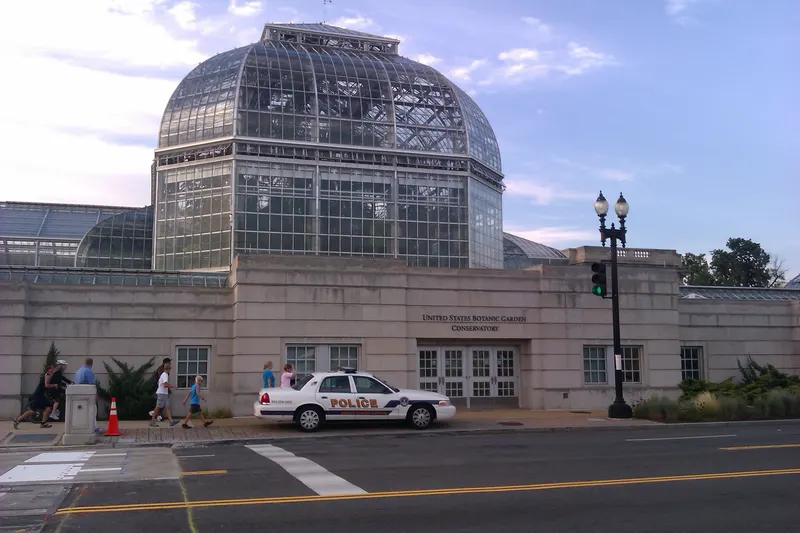
How to visit the U.S. Botanic Garden beside the Capitol in Washington — the free glass Conservatory, the outdoor gardens, the seasonal displays, why it's a great family and rainy-day stop, and how it fits the Capitol-side route.
Read guide
National Air and Space Museum Guide
How to visit the National Air and Space Museum on the Mall — the free timed-entry passes, the best galleries to prioritise, what the long renovation means for what's open, a family strategy, and how the downtown museum compares to the Udvar-Hazy Center near Dulles.
Read guide
Capitol Hill, Washington, D.C.
The neighbourhood behind the dome — Capitol Hill's pastel rowhouses, the U.S. Capitol and Library of Congress, the weekend bustle of Eastern Market, the Barracks Row restaurants and the family-friendly, residential character that makes it one of the best bases in the city.
Read guideMore in Things to Do
6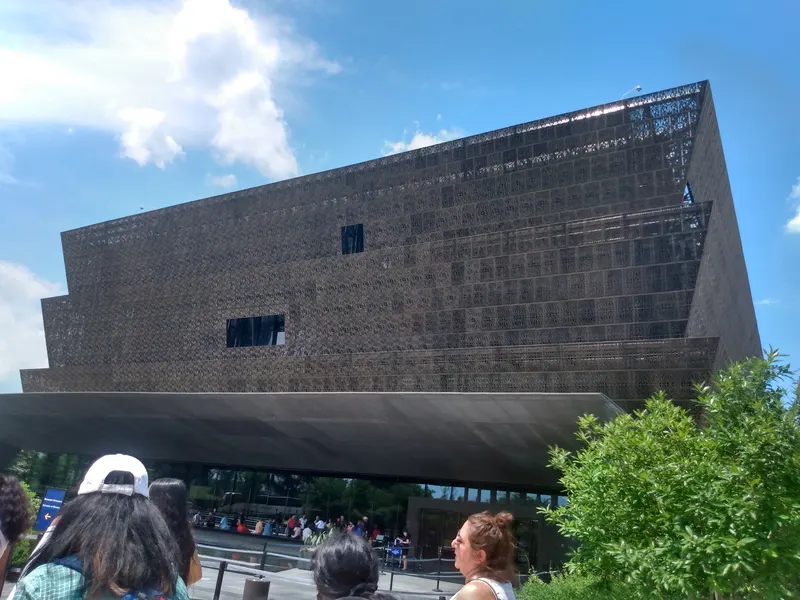
African American History Museum Guide
How to visit the National Museum of African American History & Culture on the Mall — the free timed-entry passes and how to get one, the deep underground history galleries, Sweet Home Café, the lines, how to pace an emotionally heavy visit, and the walk along the Mall.
Read guide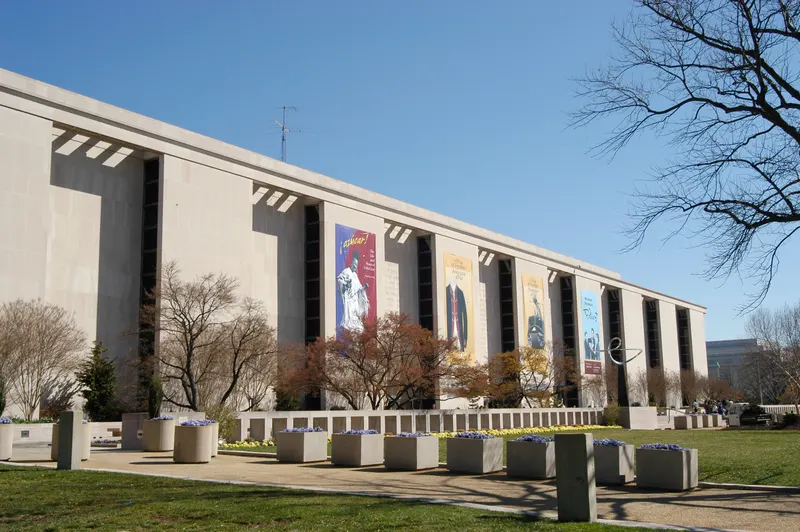
American History Museum Guide
How to visit the National Museum of American History on the Mall — the original Star-Spangled Banner, the First Ladies' gowns, the American presidency, the pop-culture icons, the food-court logistics, and how to time a visit around the school groups.
Read guide
Best Museums in Washington, D.C.
Washington has more world-class museums than any sane trip can hold, and almost all of them are free. This is a guide to the best museums in DC sorted by topic, age, ticket needs, location and rainy-day value — so you can choose two or three with confidence instead of trying to see them all.
Read guide
Best Photography Spots in Washington, D.C.
Where to make great photographs in Washington — the monument reflections, the Tidal Basin blossoms, the Capitol and Lincoln axis, Georgetown's waterfront, hidden rooftops and the golden-hour and blue-hour routes that tie them together.
Read guide
Best Things to Do in Washington, D.C.
A ranked first-trip shortlist of the best things to do in Washington, D.C. — from the National Mall and the free Smithsonian museums to a Capitol tour, the Tidal Basin and Georgetown — built so you can pick a handful and still feel you saw the city.
Read guide
Best Viewpoints in Washington, D.C.
Where to find the best views in Washington — the high monuments and free towers, the rooftop bars and cultural terraces, and the river and hilltop overlooks across the Potomac, ranked by how much effort each one asks.
Read guide