
What to Pack for Washington, D.C.
A practical, season-aware packing guide for Washington — the shoes and water that the long Mall walks demand, the layers for fickle spring and damp winter, the heat strategy for a humid summer, the security-line rules that shape your daypack, and the small extras that quietly make a DC trip easier.

Photo: Alice Donovan Rouse / Unsplash
- ✓Pack for walking first: broken-in, supportive shoes matter more than anything else on a monument-and-museum trip.
- ✓Layers beat a single warm or cool outfit — DC swings between hot outdoor air and cold air-conditioned museums daily.
- ✓A refillable water bottle is essential in summer and useful year-round; there are fountains along the Mall.
- ✓Many museums and federal buildings screen bags, so travel light and skip oversized backpacks and prohibited items.
- ✓A packable rain layer earns its place in every season — spring showers, summer thunderstorms and grey winter drizzle.
Pack for the walking, then for the season
Almost every packing mistake in Washington comes from forgetting how much you will walk. The National Mall alone runs two miles end to end, the monuments string out along it, and the museums that interrupt those walks are themselves vast. A first-time visitor can easily cover eight to ten miles in a day without ever leaving the centre. So the single most important thing in your bag is a pair of comfortable, broken-in, properly supportive shoes — not new ones, not fashion ones. Get that right and the rest of the list is fine-tuning.
After shoes, think in layers rather than outfits. Washington's air can shift from warm and humid outdoors to genuinely cold inside an air-conditioned museum or a Metro car, sometimes within a single hour, and the shoulder seasons swing from warm afternoons to cool evenings. Clothes you can add and shed beat one heavy coat or one thin shirt in almost every season. Build from there with the weather you are actually expecting, and you will be comfortable from the first morning monument to the last lit one after dark.


The year-round essentials
Some things belong in the bag no matter when you come. Beyond the walking shoes, a small daypack to carry water, layers and a rain shell keeps your hands free across long days. A refillable water bottle is genuinely useful in every season — there are fountains along the Mall to top it up — and indispensable in summer heat. A packable rain layer covers spring showers, summer thunderstorms and winter drizzle alike, all of which arrive with little warning.
Round it out with the quiet helpers: a portable charger for days when your phone is doing map, camera and museum-pass duty; basic sun protection, because the open Mall offers almost no shade; and any timed-entry passes or tour confirmations saved offline in case signal drops in a crowded museum. None of this is glamorous, but it is the difference between a day that flows and one that stalls.
Two more things travellers consistently wish they had brought: a thin layer for the deeply air-conditioned museums and Metro cars, which catch out summer visitors who packed only for the heat outside; and blister plasters or moleskin, because even good shoes can rub over the unusually high mileage a DC day involves. Both weigh nothing and live permanently in the daypack, and both save a day that would otherwise be quietly ruined.
- Comfortable, broken-in walking shoes — the most important item, full stop.
- A small daypack (mind the security rules below — keep it modest in size).
- A refillable water bottle and a portable phone charger.
- A packable rain layer and basic sun protection for the shadeless Mall.
- Timed-entry passes and tour confirmations saved offline.
Packing for summer heat and humidity
Summer in Washington is hot and heavily humid, so the goal is to stay cool outdoors and not freeze indoors. Pack light, breathable clothing in natural or moisture-wicking fabrics, a hat or cap for the open Mall, and sunglasses; sunscreen is not optional given how little shade the monument areas offer. Plan to drink far more water than feels necessary and to refill often. An umbrella that packs down small handles the short, sharp afternoon thunderstorms better than a rain jacket you will overheat in.
Here is the counter-intuitive part: pack a light layer even in a heatwave. The museums, the National Gallery and the Metro cars run cold, and going from sticky outdoor heat into deep air-conditioning all day is how people catch a summer chill. A thin cardigan, overshirt or wrap that lives in your daypack solves it without weighing you down.
Spring, autumn and the cherry-blossom window
The shoulder seasons are where layering matters most. Spring and autumn days can start cool, warm pleasantly by afternoon, and turn cool again at dusk — and spring in particular keeps a streak of unpredictability, flipping from a warm week to a raw, drizzly one without much notice. Pack a mix you can stack: a base layer, a mid layer like a light sweater, and a wind- and rain-resistant outer shell. A small umbrella belongs in spring as much as summer.
If you are timing a visit to the cherry blossoms, dress for early spring rather than the sunny photos suggest — the bloom can arrive on a cold, breezy day. Plan for early mornings at the Tidal Basin, when the best light and smallest crowds coincide and the air is still cool, and bring a warm layer for that pre-dawn start. Comfortable shoes you do not mind getting a little damp pay off on the soft, sometimes muddy ground around the basin.
Winter layers for a damp cold
Washington winters are cold but rarely arctic, and snow is occasional rather than reliable. The thing to pack for is the damp — a wind off the rivers that makes a grey day feel colder than the thermometer suggests. A warm but not enormous coat, a windproof outer layer, and the usual hat, gloves and scarf cover most winter days comfortably. Insulated and water-resistant shoes are worth it if you are unlucky with snow or slush, which the city does not always clear quickly.
Because winter is the quietest season, you will spend more time moving between warm museums and cold streets, so the same add-and-shed logic applies indoors. Layers you can open or remove in a heated gallery keep you comfortable on a day that alternates between the cold Mall and warm interiors every hour.
Packing for a school trip or a group
Washington is the classic American school-trip destination, and packing for a group of students follows the same rules as everyone else's, only more so. Comfortable broken-in shoes become non-negotiable when you are responsible for a dozen pairs of tired legs, and a clearly labelled refillable water bottle per student heads off both dehydration and the constant hunt for somewhere to buy drinks. A small, simple daypack each keeps the group moving through security quickly, which matters enormously when you are clearing screening as a crowd.
Pack for the logistics of staying together, too: a printed or saved copy of the day's plan and meeting points, a fully charged phone and charger for the trip leaders, and any timed-entry passes saved offline so a patchy museum signal does not strand the group at a door. Weather layers matter more with students, who feel the cold museums and the hot Mall keenly, so a packable layer in every bag is worth insisting on. The lighter and simpler each person travels, the smoother the whole group day runs.

Security lines and the bag rules that shape your daypack
Washington is a city of screened entrances, and that should influence what you carry more than most visitors expect. Many museums, memorial buildings, the Capitol, federal sites and major attractions run bags through security, and several restrict large backpacks, oversized bags and obvious prohibited items. The practical upshot is to travel light: a modest daypack clears screening faster and is allowed more places than a bulky one, and leaving anything questionable at the hotel saves you from being turned away at a door.
Specific rules vary by venue and do change, so the safe approach is to keep your day bag small and uncontroversial and to check the bag policy of any major site — the Capitol and the most-screened museums especially — before you arrive. A clear or simple bag, the minimum you actually need for the day, and no surprises is the formula that keeps the lines short and the doors open.

What to leave at home
Packing for Washington is as much about restraint as preparation. Leave the heavy, formal wardrobe behind unless you have a specific event — the city is far more relaxed than its reputation, and a monument-and-museum trip rewards comfort over polish. Skip the oversized backpack that will only slow you at every screened entrance, the bulky umbrella when a compact one does the same job, and the second pair of 'nice' shoes you will never choose over the comfortable ones once the walking starts.
Above all, resist over-packing the daypack you carry all day. Every extra item is weight you haul across two miles of Mall and unload at each security line. The travellers who enjoy Washington most are the ones moving light: the essentials on their back, a layer for the cold museums, water in hand, and nothing they have to think about. Pack for the version of you that has already walked eight miles, not the one still fresh at the hotel door.

At a glance: the DC packing shortlist
The whole list in one card. Specifics like venue bag rules change, so confirm the volatile details before you travel.
- Always: broken-in walking shoes, small daypack, water bottle, phone charger, packable rain layer, sun protection.
- Summer: breathable clothes, hat, sunglasses, compact umbrella — plus a light layer for cold museums.
- Spring/autumn: stackable layers and a wind-and-rain shell; dress warmer than blossom photos imply.
- Winter: warm windproof coat, hat, gloves, scarf, water-resistant shoes for occasional snow.
- Everywhere: keep the day bag modest — security screening favours small, simple bags.

Related guides

Washington, D.C. Weather Guide
What Washington's weather actually means for a trip — the humid, heavy summers, the gentle spring and autumn shoulder seasons, the uncertain cherry-blossom window, the mild but raw winters, and how each season should shape your days on the Mall, in the museums and out for dinner.
Read guide
The Best Time to Visit Washington, D.C.
A month-by-month, season-by-season honest guide to timing a DC trip — the cherry-blossom rush of spring, the heat and storms of summer, the glorious fall, and the quiet, cheaper winter — so you can match the city to what you actually want.
Read guide
Washington, D.C. in July
What a July trip to Washington is really like — the hottest, most humid month, the Fourth of July on the National Mall with its crowds, security and fireworks, and the heat-smart rhythm that makes the rest of the month not just bearable but genuinely good: cool museums by day, monuments by night.
Read guideMore in Travel Tips
6
Accessible Washington, D.C.
How to visit Washington with mobility, distance or stamina in mind — the step-free Metro, the largely flat but very long Mall, accessible museums and memorials, taxis and rideshare, and ways to build a low-walking plan that still reaches the city's best places.
Read guide
Are Washington, D.C. Passes Worth It?
An honest look at whether a bundled DC attraction pass saves you money — why a city built on free museums and monuments changes the maths, and the short list of paid sights where a pass or a single ticket actually helps.
Read guide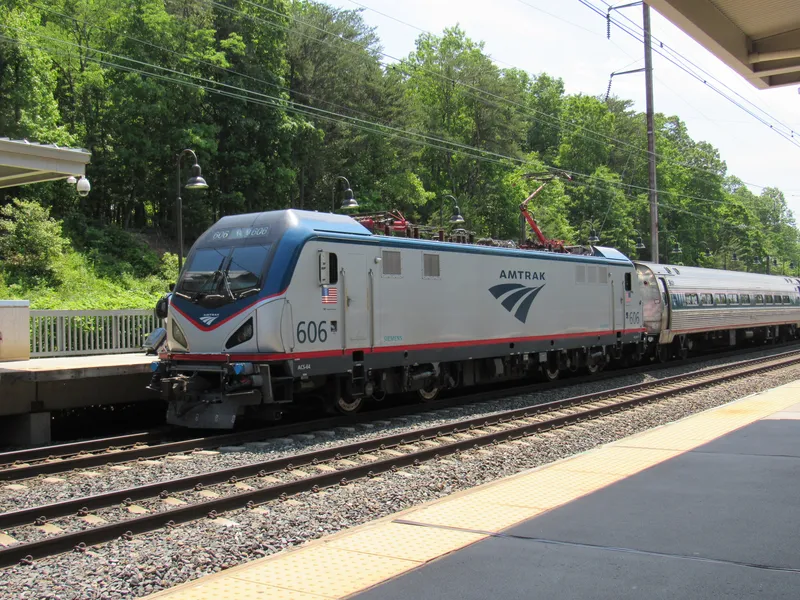
BWI Airport to Washington, D.C.
How to get from Baltimore/Washington International (BWI) into Washington, D.C. — the MARC and Amtrak trains via the BWI rail station, the free terminal shuttle, taxis and rideshare, and an honest look at whether BWI is the right airport for a DC trip.
Read guide
Capitol & White House Tour Planning
How official tours of the two most famous buildings in Washington actually work — the request windows, who to ask, the security to expect, realistic odds, and the strong free backups if a tour doesn't come through.
Read guide
Dulles Airport to Washington, D.C.
How to get from Dulles International Airport (IAD) into Washington, D.C. — the Silver Line Metro, the Washington Flyer and 5A-style buses, taxis and rideshare, and the honest tradeoffs by time of day, budget and where your hotel sits.
Read guide
How to Get Around Washington, D.C.
A clear, realistic answer to how to get around Washington, D.C. without a car — when to simply walk, when the Metro is fastest, where buses fill the gaps, when a taxi or rideshare earns its fare, and how bikes and tour buses fit in. Plain trade-offs for a city built to be crossed on foot and by rail.
Read guide