
Washington, D.C. Itinerary for Couples
Washington turns quietly romantic at the edges of the day — the monuments floodlit and empty, the Tidal Basin mirror-still at blue hour, Georgetown's canal leafy and unhurried. This is a couples' Washington, D.C. itinerary that trades the route-march of sights for art, slow neighborhoods, rooftop sundowners, candlelit dinners and the night monuments, paced for two.

Photo: Jason Gooljar / Unsplash
- ✓DC's romance is free and after-hours — the monuments are at their most beautiful lit and near-empty, and the best evenings here cost nothing.
- ✓Trade the sightseeing checklist for fewer, softer choices: one art museum, a slow neighborhood, a great dinner and the monuments by night.
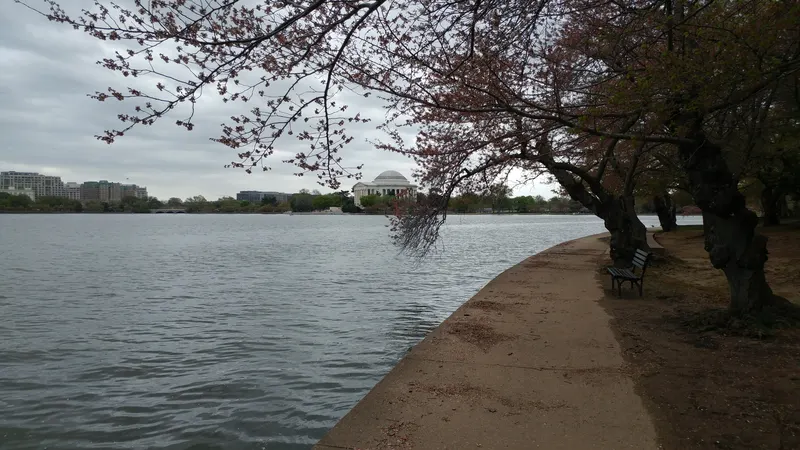
- ✓The Tidal Basin at blue hour, with the Jefferson Memorial mirrored in the water, is the city's quietest beautiful moment — go at dusk, not midday.
- ✓Georgetown's C&O Canal towpath and waterfront are the leafiest escape from the federal crowds — the ideal slow, hand-in-hand afternoon.
- ✓Book the dinners and a rooftop sundowner ahead; the romance is in the pacing, so plan two anchors a day and leave room to linger.
The couples' trip at a glance
How to shape DC for two, before the day-by-day:
- The romance is free and nocturnal: the lit monuments and the Tidal Basin at blue hour are the city's most beautiful, least crowded moments.
- Pace, not pile-up: aim for two anchors a day — say one museum and one neighborhood — with time to linger over coffee and a long dinner.
- Best season: spring (cherry blossoms) and autumn are the most romantic; warm evenings make the monument walks and rooftops shine.
- Where to be soft: Georgetown's canal and waterfront, the smaller art collections, a rooftop bar at sunset, dinner away from the Mall.
- Book ahead: the best dinner tables and a sunset rooftop slot fill up — reserve them and build the day around them.
- Getting around: a SmarTrip card and the Metro keep it carefree; a short cab to Georgetown (no Metro stop) is worth it for the evening.

Why DC is more romantic than it looks
Washington reads as a city of business by day — suits, motorcades, the machinery of government — and that reputation hides how romantic it becomes at the edges of the day. When the federal workers go home, the monuments are floodlit and nearly empty, the Tidal Basin turns mirror-still, and the whole grand stage of the Mall becomes a private, beautiful place to walk hand in hand. The best part is that this version of the city is free: the most romantic evening here costs nothing but the time to slow down and notice it.
So a couples' itinerary in DC is less about which sights you tick off and more about how you pace them. The trick is to do less, and to do it softly: swap the route-march for one art museum, one slow neighborhood, one great dinner and the monuments by night. Save the outdoor walks for dawn and dusk when the light is kind and the crowds are gone, keep the middle of the day loose, and let coffee, lunch and the long dinner be experiences rather than refuelling stops.
This plan keeps that spirit. It folds the city's free, world-class sights into a romantic rhythm, points you to the leafy and the candlelit rather than the busy and the institutional, and centres each day on one or two moments worth lingering over — which is, after all, the whole point of a trip for two.
There's a practical romance to DC, too, that's worth naming: almost everything that makes the city beautiful for couples is free. The night monuments, the Tidal Basin at dusk, the canal towpath, the sunset from the Lincoln steps — none of it costs a thing, which means the budget you do have can go entirely to the experiences that benefit from it: a memorable dinner, a special room, a glass somewhere with a view. You're never choosing between romance and value here, because the most romantic things are the free ones. Spend on the meals and the bed; let the city provide the magic for nothing.


Day 1 — softer sights by day, the monuments by night
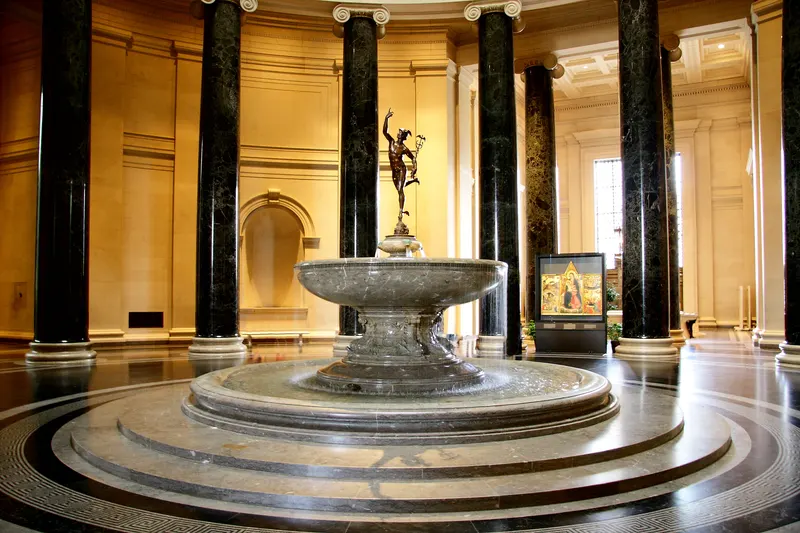
Start gently, not with a checklist. Give the morning to a single museum chosen for atmosphere rather than ambition: the National Gallery of Art for a quiet hour with the masters and a coffee in its skylit court, or one of the smaller, more intimate collections. Then keep the middle of the day loose — a long lunch, a wander, a coffee somewhere unhurried — so you arrive at the evening with energy to spare. The point of Day 1 is to set a slow, two-person rhythm that the rest of the trip can keep.
Save the Mall for after dark, when it becomes the most romantic place in the city. Walk the western memorials at dusk and into the evening — the Lincoln Memorial lit at the top of its steps, the Reflecting Pool catching the light, the Vietnam and Korean War memorials hushed and glowing — with the crowds thinned to almost nothing. Time it so blue hour finds you at the Tidal Basin, where the Jefferson Memorial mirrors in the still water; it is the city's quietest beautiful moment and costs nothing. Cap the night with a cocktail on a rooftop where the lit Washington Monument frames your glass.


Day 2 — Georgetown, the canal and a candlelit dinner
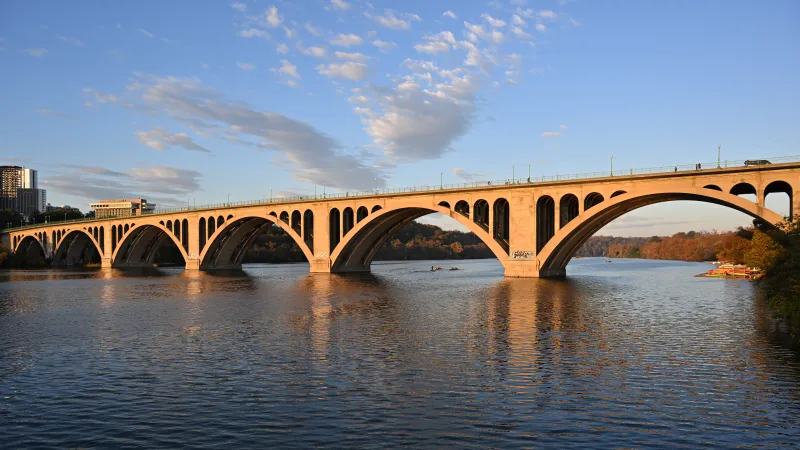
Leave the federal core entirely and give the day to Georgetown, the leafiest, least political quarter in the city. Walk the C&O Canal towpath, shaded and unhurried past old row houses, then drift down to the waterfront and along the river. Browse the historic streets, stop for coffee and something sweet, and let the afternoon have no agenda beyond being together. Georgetown has no Metro stop of its own, which keeps it quieter than it should be; a short cab or the bus gets you there, and once you arrive it is all walking and lingering.
As the light softens, this is the night for the dinner you booked ahead — Georgetown's waterfront tables, or a romantic room back in the city, both reward a long, candlelit, unhurried evening. Build the day so dinner is the event: an aperitif, a slow meal, a walk afterward. If you'd rather pair the canal afternoon with a sunset first, the river and the rooftops both deliver one. The shape of Day 2 is the romance — a slow, leafy afternoon and a long, candlelit night, with nothing institutional in between.
Georgetown rewards aimlessness, so resist the urge to plan it tightly. Wander up from the waterfront into the residential streets, where the federal-era row houses and gardens are some of the prettiest in the city, and stop wherever looks inviting — a bookshop, a coffee window, a bench by the canal. The neighborhood's charm is cumulative rather than headline; there is no single must-see, only an afternoon's worth of small, lovely moments that add up to the most romantic day of the trip precisely because it has no agenda. Let it be the day you simply enjoy each other and the city, with nowhere you have to be until dinner.


Day 3 — blossoms, a slow morning and a sunset finish
A third day is for the seasonal and the unhurried. In spring, this is the morning for the cherry blossoms: walk the Tidal Basin loop early, before the crowds, when the Yoshino blooms ring the water and the Jefferson Memorial floats among them — the most romantic week of the DC year (peak bloom shifts annually; check the NPS forecast). Out of season, a slow morning works just as well: a leisurely brunch, a stroll through a neighborhood you haven't seen, the Botanic Garden's warm glasshouse, or simply coffee and the papers before you decide anything.
Save a sunset for the close. The steps of the Lincoln Memorial, the Kennedy Center's rooftop terrace over the river, or a quiet waterfront at The Wharf all give a fitting final golden hour for two. Then one last dinner, or a nightcap somewhere you loved, and a final slow walk. The whole trip, done this way, is really one idea repeated — fewer sights, more lingering, the beautiful free hours at dawn and dusk — and it sends a couple home having seen the capital not as a list of monuments but as a city made, briefly and quietly, just for them.
If you have a fourth day, resist the urge to fill it with more landmarks and use it to deepen what you already love. Return to the museum you rushed; go back to the Tidal Basin at a different hour; take the canal walk in the other direction. Or leave the city entirely for an easy, romantic day out — Old Town Alexandria's cobbled, waterfront streets are a short Metro ride and feel like a different, gentler century. The extra day is best spent not adding to the list but returning to the moments that worked, which is exactly how the best trips for two tend to end.
 Cherry blossoms in DC
When the Tidal Basin turns pink, and where to stand for the most romantic view.
 Best sunset spots in DC
Where to catch a final golden hour for two — steps, terraces and the waterfront.
 Tidal Basin guide
The loop for the Jefferson, blossoms, paddle boats and the blue-hour reflection.
Reading the day for romance: light, crowds and pace
The single skill that makes DC romantic is learning to read the day. The same monument is a crowded civic obligation at noon and a private, floodlit wonder at ten in the evening; the same Tidal Basin is a tourist scrum in mid-morning and a mirror-still hush at blue hour. So a couples' itinerary is really a schedule of light and emptiness. Take the outdoor, beautiful things at dawn and dusk, when the crowds are gone and the light is kind, and put the indoor, busy things — a museum, a long lunch — in the bright, mobbed middle of the day. Get that rhythm right and the city seems to clear a space just for the two of you.
The second skill is restraint about quantity. A trip for two is sabotaged by ambition more than anything else: four museums and a packed checklist leave no room for the unplanned moment that becomes the memory. Aim for two anchors a day and protect the gaps between them. The coffee that runs an hour long, the walk with no destination, the decision to sit on the Lincoln steps and watch the light change rather than move on — these are the trip, and they only happen when the schedule leaves them room. Plan less than you can fit, and you'll experience more than you planned.
Finally, lean into the seasonal and the spontaneous. If the cherry blossoms are out, reorder everything around a dawn at the Tidal Basin. If a warm evening arrives, abandon the indoor plan for a rooftop and a sunset. The most romantic version of DC is the one that bends to the day's gifts — the unexpected golden hour, the empty memorial, the table by the window that opened up — rather than marching through a fixed list. Hold the plan loosely, and the capital becomes far more tender than its reputation suggests.

Where to stay and how to keep it carefree
For a couples' trip, choose a base for atmosphere as much as convenience. A romantic boutique or grand historic hotel near the centre keeps the night monuments and the dinners within an easy ride, while a quieter address — by the river in Foggy Bottom, or near a leafy neighborhood — trades a little distance for calm and character. The honest priority is a room you actually want to return to, near enough to a Metro stop to keep the days carefree; everything else is walkable or a short cab away.
Keep the logistics light so the romance stays front of mind. A SmarTrip card and the Metro handle the longer hops; a short cab to Georgetown for the evening is worth it for the atmosphere. Book the two or three things that fill up — the best dinner tables, a sunset rooftop — and leave the rest of each day deliberately open. The couples who love DC most are the ones who plan two beautiful anchors a day and let the hours between them drift: a coffee that runs long, a walk with no destination, a monument visited twice because the light changed. Do that, and the capital becomes one of the most romantic short breaks in the country.

Related guides

Romantic Washington, D.C.
The complete guide to Washington, D.C. for couples — the monuments lit and empty after dark, the Tidal Basin at blue hour, Georgetown canal walks, cherry-blossom season, rooftop sundowners, date nights, romantic hotels and the city's best proposal spots.
Read guide
Romantic Hotels in Washington, D.C.
Where to stay for two in Washington — grand historic hotels, boutique hideaways, riverfront and rooftop stays, and the romantic Dupont, Georgetown and quiet-luxe addresses, sorted by vibe rather than star rating.
Read guide
Date Night in Washington, D.C.
How to plan a date night in Washington — dinner and cocktails by neighborhood, rooftops with monument views, the Kennedy Center and U Street jazz, plus the free, romantic move of the monuments after dark.
Read guideMore in Itineraries
6
A Washington, D.C. Itinerary with Kids
A family-paced Washington, D.C. itinerary — short museum blocks at the free Smithsonians, the dinosaurs and the Hope Diamond, the National Zoo, the Mall carousel, plenty of food and bathroom breaks, stroller notes and fewer long walks, built so children and parents both enjoy the day.
Read guide
A Weekend in Washington, D.C.
A Friday-to-Sunday Washington, D.C. weekend — where to base yourself, an arrival-night monuments walk, a full Saturday of the Mall, museums and a Capitol tour, a Sunday of brunch, the Tidal Basin and a neighbourhood, built around Metro access and slower evenings.
Read guide
Four Days in Washington, D.C.
An unhurried four-day Washington, D.C. itinerary — the Mall monuments and free Smithsonian museums, a Capitol tour and the founding documents, the Tidal Basin and Georgetown, then deeper museums, fuller neighbourhoods and a relaxed day trip to Arlington, Old Town Alexandria or Mount Vernon, with slower evenings throughout.
Read guide
Low-Walking Washington, D.C. Itinerary
A gentler way to see Washington, D.C. — a low-walking itinerary built for limited mobility, seniors, hot days and anyone who wants to avoid the long, exposed Mall marches. It leans on the Metro, on drop-offs and rideshare, on the few seated and short-distance options, and on the simple truth that the museums and many monuments can be seen well without crossing two miles of lawn on foot.
Read guide
Luxury Washington, D.C. Itinerary
Washington wears luxury quietly — grand historic hotels a block from the White House, chef's-counter tasting menus, private after-hours tours and a rooftop city of monument views. This is a high-end Washington, D.C. itinerary that pairs the free, world-class sights with the polish, ease and access that make the difference: where to stay, where to dine, what to book privately and how to fold in Mount Vernon in style.
Read guide
One Day in Washington, D.C.
A realistic single-day route through the capital — the western monuments early, one Smithsonian museum at midday, the Mall's headline sights, Capitol views and the monuments lit at dusk, all walkable and free.
Read guide