
Union Market & NoMa Guide
A traveller's guide to Union Market and NoMa — the fast-changing district north of Union Station where a historic food hall, big street murals, newer hotels and a quick Red Line link to the Mall add up to a different, more contemporary side of Washington, D.C.
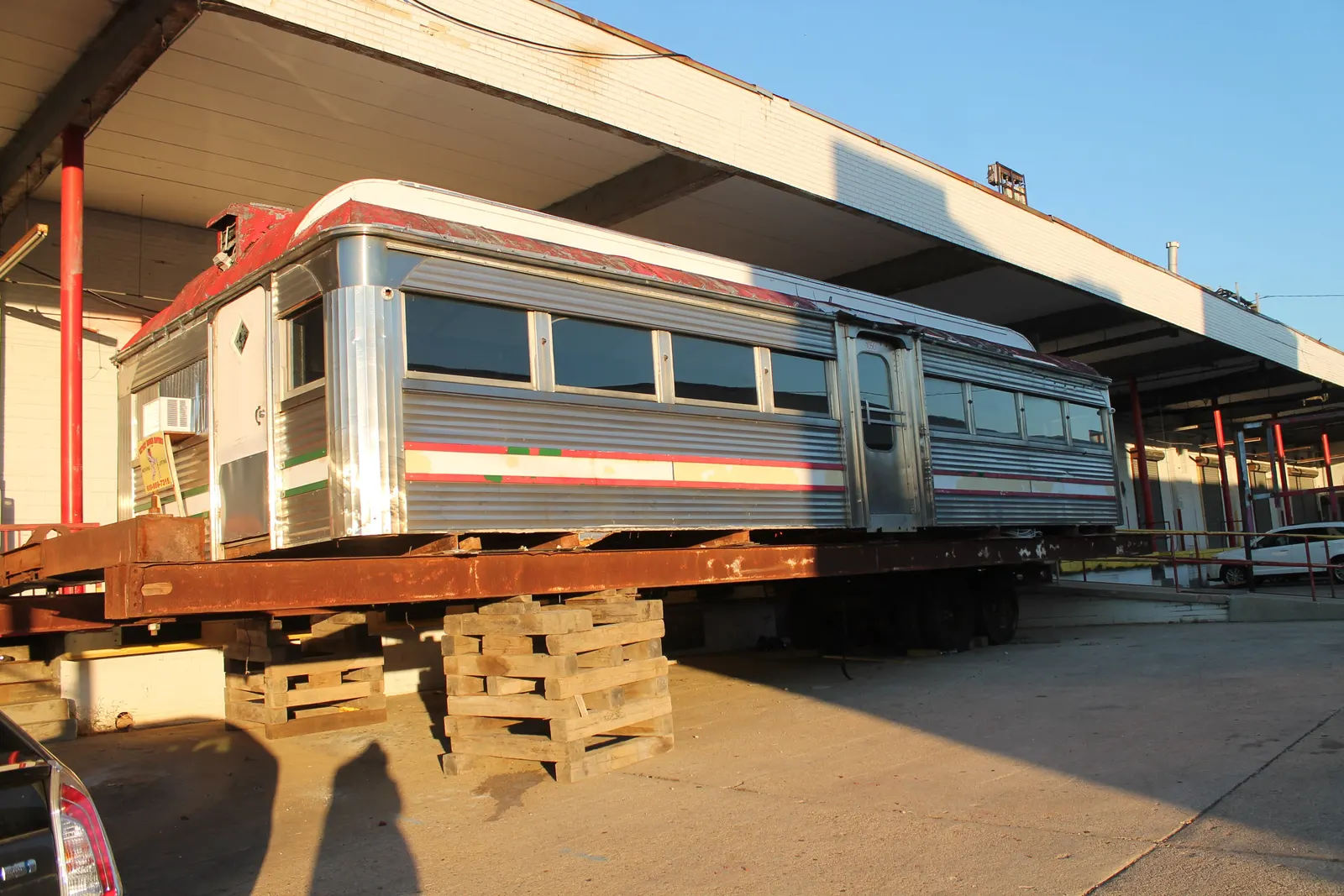
Photo: Elvert Barnes / Wikimedia Commons · CC BY-SA 2.0
- ✓NoMa — short for 'North of Massachusetts Avenue' — is one of DC's newest neighbourhoods, built up rapidly on former rail land just north of Union Station, with modern apartments, offices and a growing crop of hotels.
- ✓Union Market is its anchor: a restored food hall and market district full of stalls, restaurants and weekend energy — see the food-focused guide for what to eat.
- ✓The area is known for large-scale street murals and public art, which makes for an easy, photogenic wander between meals.
- ✓It's well connected — the NoMa–Gallaudet U Metro on the Red Line, plus walking distance to Union Station for onward trains, buses and another Metro hub.
- ✓Newer hotels here can offer better value and a more contemporary feel than the historic federal core — but this is a transitional, still-developing district, so set expectations accordingly.
A newer, un-monumental side of DC
NoMa is shorthand for 'North of Massachusetts Avenue', and it is about as un-touristy as central DC gets — which is exactly why some travellers love it. For decades this was rail land and warehouses behind Union Station; over the past couple of decades it has been built up fast into a district of modern apartment towers, offices, a Metro station of its own and an increasing number of hotels. There is little marble and no memorials here. What there is instead is a contemporary, creative, lived-in slice of the city, anchored by the Union Market food district and threaded with some of DC's best-known street murals.
For a visitor, the pitch is contrast and convenience. You stay somewhere that feels like the working, present-day city rather than the federal stage set, you eat extremely well at the market, you wander past large-scale public art, and you are still a short Red Line ride or walk from Union Station and the Mall. It won't suit a first-timer who wants the monuments on their doorstep, but for return visitors, food-minded travellers and anyone curious about how Washington is changing, it's a genuinely interesting base.



Union Market: the anchor
Union Market is the heart of the district and the main reason most visitors come. The site has long roots as a market area, and its restored hall now packs in a wide range of food stalls, sit-down restaurants and vendors under one roof, with more eating and drinking spilling into the blocks around it. It's the kind of place a group with different cravings can all be happy at once, and a reliable lunch or casual dinner whatever you feel like. Hours and individual vendors change, and weekends are busiest, so check the market's current hours before a special trip and go a little off-peak if you want room to breathe.
The wider Union Market district has grown well beyond the original hall, with restaurants, rooftops, shops and events filling in around it — enough that the food itself is a destination, not just a base amenity. For the full breakdown of what to order, when to go and how to pair it with the murals and rooftops nearby, see the dedicated Union Market food guide; this page is about staying in and around the area rather than eating your way through it.
Murals, rooftops and the look of the place
Part of NoMa's character is visual. The district has embraced large-scale street art, and a wander between meals turns up murals on warehouse walls, under rail bridges and across the sides of newer buildings — an easy, free, photogenic activity that fits the area's creative, present-tense feel far better than a museum queue. It's the rare central DC neighbourhood where the most interesting sights are at street level and entirely unticketed.
Layered on top is a crop of rooftops and bars that have followed the development, several with city views that frame DC from an angle the Mall never gives you. The look overall is modern and still-filling-in: shiny new blocks next to raw rail edges, polished food halls beside under-bridge murals. Some travellers find that mix exciting; others find it half-built. Knowing which camp you're in before you book is the single most useful thing about reading up on NoMa.
The practical upshot is that NoMa is best enjoyed on foot and in daylight, when the murals read well and the market and rooftops are at their liveliest. Build a half-day around it — a slow loop of the public art, a long lunch at Union Market, a drink with a view — and the area reveals itself as a low-pressure, low-cost alternative to a museum day. It's the kind of neighbourhood that rewards wandering rather than ticking off a list, which is a refreshing change of register from the monument-and-museum march most of a DC trip becomes.
- NoMa is known for large-scale street murals — an easy, free, photogenic wander between meals.
- Rooftops and bars have followed the development, several with city views.
- The overall feel is modern and transitional — exciting to some, half-built to others.
- Most of the area's best 'sights' are at street level and free.

Getting around: Metro and Union Station
Transport is one of NoMa's quiet strengths. The district has its own Red Line stop — NoMa–Gallaudet U — which drops you straight into the same fast line that runs through downtown and connects, via simple transfers, to the Smithsonian stops along the Mall. That makes a monuments-and-museums day perfectly doable from here even though it doesn't feel central. As always, check WMATA for current fares and any service changes before you rely on a specific connection, and use a SmarTrip card for rail and bus.
The other asset is Union Station, within walking distance to the south. Beyond being a grand building in its own right, it's a major hub: another Metro station, intercity and regional trains, and long-distance buses all converge there, which makes NoMa a sensible base if your trip involves arriving or leaving by train, or day-tripping out of the city by rail. Between its own Metro stop and the Union Station hub, the area is better connected than its low profile suggests — the catch is simply that you're north of the action rather than in the middle of it.
- NoMa–Gallaudet U (Red Line) is the district's own Metro stop — a fast line to downtown and, via transfers, the Mall.
- Union Station is within walking distance: another Metro hub plus intercity/regional trains and long-distance buses.
- Strong for travellers arriving by train or planning rail day trips out of the city.
- Use a SmarTrip card and verify current fares and service on WMATA before relying on a connection.

What's nearby: Capitol Hill, the Mall and beyond
One reason NoMa punches above its profile is what sits just beyond it. Walk or ride a few minutes south and you reach Union Station and, past it, Capitol Hill — the Capitol itself, the Library of Congress, the Supreme Court and the weekend bustle of Eastern Market — which gives a NoMa base an easy, ungimmicky 'other half' to its days. Pair a morning among the murals and the market with an afternoon on the Hill and you have a full day without ever feeling far from your room.
The wider Mall is equally reachable. From NoMa–Gallaudet U the Red Line runs straight into the downtown core, where a short transfer drops you at the Smithsonian stops for the monuments and the free museums. That makes the classic first-day-in-DC itinerary — Mall, memorials, a museum or two — perfectly doable from up here, even though the neighbourhood itself has none of that marble. And because Union Station is also a rail hub, NoMa doubles as a sensible launchpad for day trips out of the city by train when you want a change of scene.

Hotels and who should stay here
The hotels here are part of the same recent wave that built the rest of the district: mostly newer, modern properties rather than grand historic names, and often offering a fresher feel and better value than equivalent rooms in the federal core. That makes NoMa appealing to travellers who care more about a comfortable, contemporary room and good food nearby than about walking out onto the Mall. Rates still move with the season and any major event, and spike during cherry-blossom weeks, so confirm current prices, breakfast and parking directly with any hotel before booking.
Be clear-eyed about the tradeoffs. This is a transitional district: pockets are polished and busy, others are quieter, under-developed or dominated by offices that empty out at night, so it pays to look at exactly where a hotel sits and to check recent reviews. NoMa suits return visitors, food-led travellers, anyone arriving by train, and budget-minded guests willing to swap monument-adjacency for value and a Metro ride. It suits a first-timer on a tight schedule less well — for that, a central base near the Mall, Penn Quarter or Dupont is usually the easier call.
- Hotels skew newer and modern — often fresher and better value than the historic core, but verify current rates directly.
- It's a transitional district: check exactly where a hotel sits and read recent reviews, as blocks vary.
- Best for: return visitors, food-led travellers, rail arrivals and budget-minded guests happy with a Metro ride.
- Less ideal for: first-timers who want the monuments and museums on foot.
Is NoMa / Union Market the right base for you?
What is NoMa? It stands for 'North of Massachusetts Avenue' — a newer, fast-developing DC district built on former rail land north of Union Station, anchored by the Union Market food hall and known for street murals and modern hotels.
Is it a good place to stay? Yes for return visitors, food-led travellers and anyone arriving by train who wants a contemporary base and good value; less so for first-timers who want to walk to the monuments.
How do I get to the National Mall from here? Take the Red Line from NoMa–Gallaudet U toward downtown and transfer to a Smithsonian stop, or use the nearby Union Station hub. Verify current times and service on WMATA.
Is it walkable and safe to wander? The core around Union Market is walkable and lively, especially by day and on weekends; it's a transitional area, so check exactly where your hotel sits and read recent reviews.
Will it save money versus downtown? Often — newer hotels here can offer better value, but rates still rise with season and big events, so confirm current prices directly.
Related guides
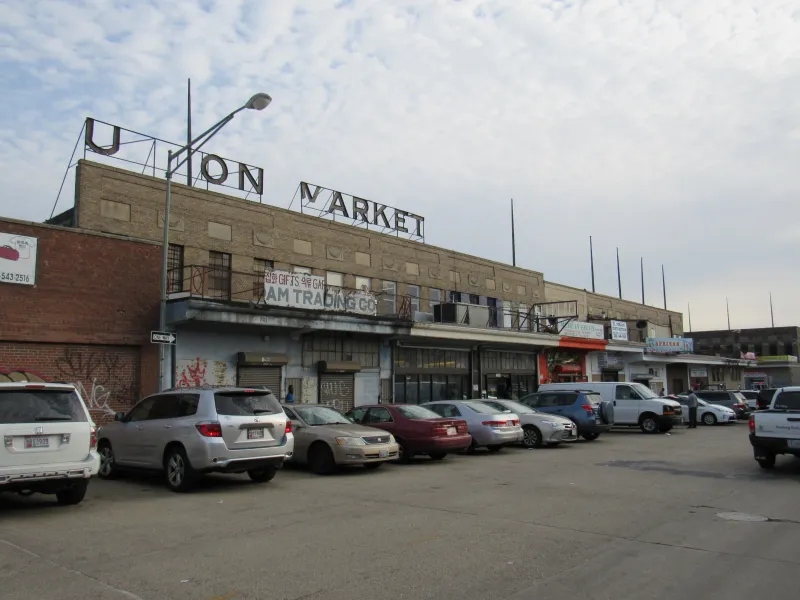
Union Market Food Guide
How to eat your way through Union Market in NoMa, Washington — the city's original modern food hall in a converted warehouse, what to order, when to go to dodge the weekend crush, the murals and rooftops nearby, and how to combine it with Union Station and the rest of NoMa.
Read guide
Best Food Halls & Markets in Washington, D.C.
The best food halls and public markets in Washington, D.C. — Union Market in NoMa, historic Eastern Market on Capitol Hill, the Wharf's Municipal Fish Market and more. The easiest group, family and indecisive-table meals in the city, with what to eat and when to go.
Read guide
Budget Hotels in Washington, D.C.
How to stay in Washington, D.C. affordably without exiling yourself from the city. We cover the value areas, the Metro trade-offs that actually save money, hostels and budget chains, the across-the-river options, and the seasons to avoid — plus the one rule that keeps a cheap room from quietly costing you more than it saves.
Read guideMore in Where to Stay in Washington, D.C.
6
Best Area to Stay in Washington, D.C. for First-Timers
The simplest way to pick where to stay in Washington, D.C. on a first visit. We compare the five areas that actually work — Downtown and Penn Quarter, Foggy Bottom and the Mall edge, Dupont Circle, Capitol Hill and the lively 14th Street corridor — by walking distance to the monuments, Metro access, evening life and price, so you can book one neighbourhood with confidence and stop second-guessing.
Read guide
Best Hotels in Washington, D.C.
How to choose the right hotel in Washington, D.C. — sorted the way travellers actually decide: by area and Metro access, by what you're here for, and by season. We cover the grand historic landmarks, the central all-rounders, the romantic boutiques, the family-friendly suites and the smartest budget picks, with the trade-offs spelled out so you book once and book well.
Read guide
Family Hotels in Washington, D.C.
Washington is one of the best-value family trips in America, and the right hotel makes it effortless. This is a practical guide to family-friendly hotels in DC — the features that actually matter (space, breakfast, a pool, a short walk to Metro), the areas that suit families with kids of different ages, and how to turn a free-museum city into an easy, well-paced trip.
Read guide
Luxury Hotels in Washington, D.C.
Where to splurge in Washington, D.C. — sorted by the kind of luxury you actually want. We cover the grand historic landmarks near the White House, the discreet power hotels, the spa-and-wellness stays, the design-led boutiques and the riverfront splurge, with the trade-offs and the views spelled out so a milestone trip lands exactly as you imagine it.
Read guide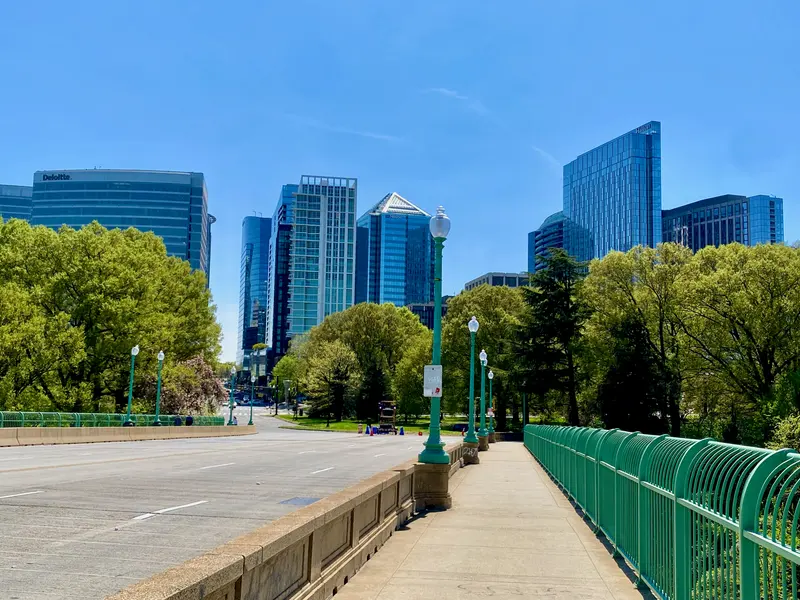
Staying in Arlington & Rosslyn for DC
When it makes sense to base across the Potomac in Arlington, Virginia — how the Metro links Rosslyn and the Orange/Silver/Blue line corridor to the National Mall, why hotel rates can run lower than in the District, and which Arlington areas actually suit tourists.
Read guide
Staying in Old Town Alexandria for DC
Why some travellers base in Old Town Alexandria, Virginia for a Washington trip — cobbled eighteenth-century streets, a romantic Potomac waterfront, Metro and water-taxi links into DC, and how to weigh the charm against the commute.
Read guide