
International Spy Museum Guide
How to visit the International Spy Museum in Washington — a paid, ticketed museum near the Wharf and L'Enfant Plaza — with the interactive cover-identity exhibits, the gadgets and history, who it's best for by age, and whether it's worth paying for.

- ✓Unlike the free Smithsonians, the International Spy Museum is a private, paid museum — buy timed tickets, ideally online in advance. Verify the current price and hours before you go.
- ✓It's heavily interactive: you can adopt a 'cover' identity and test your spy skills through the galleries, alongside real espionage gadgets, artifacts and history.
- ✓It's a strong rainy-day and indoor option, and a particular hit with kids, teens and anyone who loves spy stories — though dense reading-heavy sections suit older visitors best.
- ✓The building sits at L'Enfant Plaza, near the Wharf and the southwest waterfront, walkable from the National Mall's western museums.
- ✓Plan roughly two to three hours; the interactive elements and reading reward a slower pace than a quick walk-through.
DC's one big paid museum that earns it
In a city of free museums, the International Spy Museum stands out by charging admission — and the question every visitor weighs is whether it's worth paying for when the Smithsonians next door cost nothing. For the right traveller, the answer is a clear yes. This is a private museum dedicated entirely to the world of espionage and intelligence, and it leans hard into what the free museums often can't: immersive, interactive, story-driven exhibits designed to put you inside the secret world rather than just read about it. If spy stories, gadgets and the cloak-and-dagger history of the twentieth century appeal, it delivers an experience the free museums simply don't try to.
Housed in a striking modern building at L'Enfant Plaza, the museum holds one of the largest public collections of espionage artifacts anywhere, threaded through a journey that mixes real history with hands-on play. It's polished, theatrical and built for engagement, which is exactly why it lands so well with families and teens who might glaze over in a more traditional gallery. Go in expecting an entertaining, well-produced experience rather than a quiet scholarly one, and budget the ticket as the price of the most interactive museum in the city.

Tickets, timing and what to expect
Because it's a private museum, the Spy Museum charges admission, and tickets are timed to manage capacity — so the sensible move is to buy online in advance for the date and time you want rather than risk a sold-out slot or a queue at the door. Prices vary by age and there are often family or combination options; the exact pricing, hours and any discounts change, so check the official site and confirm the current cost before you commit. Compared with the free Smithsonians, this is a deliberate spend, so it's worth deciding in advance whether your group is the right audience for it.
Expect a guided-flow experience: many visitors begin by adopting a cover identity that follows them through the galleries via interactive stations, where you complete missions, test your observation and decision-making, and 'debrief' at the end. That structure is a big part of the fun, especially for kids and teens, but it does reward giving it time — rushing undercuts the interactivity. Plan for roughly two to three hours, allow for security screening on entry, and don't book a slot so late that you're racing the closing time through the back half of the museum.
- It's a paid, timed-ticket museum — buy online in advance and verify the current price and hours.
- Pricing varies by age, with family/combo options that change over time — confirm before you go.
- Many visitors adopt a 'cover' identity and complete interactive missions through the galleries.
- Allow roughly 2–3 hours plus security; don't book so late you race the closing time.
The exhibits: gadgets, history and play
The collection itself is the substance behind the showmanship. The museum displays real espionage artifacts — concealment devices, cameras, codebreaking tools, weapons disguised as everyday objects, and the gadgets that have made spying a perennial fascination — alongside galleries tracing the history of intelligence from earlier eras through the Cold War and into the present day of cyber-espionage and modern statecraft. There's genuine history here about real operations, real tradecraft and the moral grey zones of the secret world, told with enough drama to keep you moving but enough depth to leave you with something.
Woven through the artifacts are the interactive elements that define the place: tradecraft challenges, observation tests, decision games tied to your cover identity, and immersive set pieces that put you in the scenario rather than behind the glass. The blend is the point — a case of a hollowed-out coin next to a hands-on station where you practise spotting a tail. It's this mix of authentic objects and built-for-engagement play that makes the museum work across ages, and that justifies the ticket for the curious.
- Real espionage artifacts — concealment devices, cameras, codebreaking tools, disguised weapons and gadgets.
- History galleries span earlier eras, the Cold War and modern cyber-espionage and statecraft.
- Interactive tradecraft challenges and observation tests are tied to your cover identity.
- The blend of authentic objects and hands-on play is what makes it land across ages.
Who it's best for — the age question
The Spy Museum is one of DC's most reliable crowd-pleasers for kids and especially teenagers, who tend to love the missions, gadgets and the chance to 'be' a spy for a couple of hours — and it's a natural fit on a teen-focused or family day. That said, it's worth a frank note on age: the experience is most rewarding for older children, teens and adults who can read the dense interactive content and follow the storylines. Younger children will enjoy the spectacle and some of the hands-on stations, but parts are text-heavy and some themes touch on real-world conflict and danger, so it suits older kids better than toddlers.
For adults, the appeal divides cleanly: history and espionage enthusiasts will find plenty of real substance and could happily spend three hours, while those indifferent to spy stories may feel the ticket price buys more theatre than they wanted. The honest filter is interest, not age — if anyone in your group lights up at the idea of secret tradecraft and Cold War intrigue, it's worth it; if no one does, the free museums next door are the better use of the afternoon. Match the museum to the group, and it rarely disappoints.
- A strong hit for teens, who love the missions, gadgets and immersive set pieces.
- Best for older children, teens and adults; parts are text-heavy and touch on real conflict, so it suits older kids.
- Enthusiasts can easily spend 2–3 hours; those uninterested in spy stories may not feel the ticket is worth it.
- Decide by interest, not just age — if the topic excites your group, it delivers.

A rainy-day and weatherproof plan
Beyond its subject, the Spy Museum earns its place as one of DC's best bad-weather options. It's entirely indoors, it's timed so you can book around the forecast, and the two-to-three-hour interactive visit fills a wet or sweltering afternoon better than almost any walk-in gallery — you're absorbed, not just sheltering. When rain washes out the monuments or summer heat makes the Mall miserable, a pre-booked Spy Museum slot turns a ruined afternoon into a highlight, and the immersive format means it holds restless kids' and teens' attention far longer than a passive museum would.
Because the ticket is timed, it also gives a rainy day useful structure: reserve your slot, and build the rest of the wet afternoon around it with an indoor lunch and a second indoor stop. It pairs naturally with the free museums for an all-weather museum day, or with the nearby Wharf for an evening once you emerge. Keep it in mind as the paid card you play when the weather turns and you want guaranteed, engaging shelter rather than a damp trudge between monuments.
Where it sits, and the Wharf-side route
The museum stands at L'Enfant Plaza in southwest DC, near the southwest waterfront — which places it within easy reach of both the National Mall's western museums and the restaurants and river views of the Wharf. A natural plan is to spend the afternoon at the Spy Museum and then walk over to the Wharf for an early dinner and a stroll along the water, turning an indoor museum stop into a full half-day that ends on the river. Verify the nearest Metro station and any service changes on WMATA; L'Enfant Plaza is a major transfer station, so the museum is well connected across several lines.
That connectivity is part of its value: it's central, easy to reach, and it bridges the museum district and the waterfront in a way few stops do. Book the timed ticket, anchor your afternoon on it, and let the Wharf or the Mall fill the time on either side — a tidy, weatherproof, well-located chunk of a DC day that gives kids and spy-lovers something to talk about long after the marble blurs together.
Common questions
Is the Spy Museum free? No — unlike the Smithsonians, it's a private, paid museum with timed tickets. Buy online in advance and verify the current price and hours.
Is it worth paying for? For anyone keen on spy stories, gadgets and Cold War intrigue, yes — it's the city's most interactive museum. If no one in your group cares for the topic, the free museums may suit better.
Is it good for kids? Yes, especially teens; it's best for older children and up, as parts are text-heavy and touch on real conflict. Younger kids enjoy the spectacle but get less from the reading.
How long should I plan? Around two to three hours — the interactive format rewards a slower pace, so don't book a late slot that rushes you.
Where is it and how do I get there? At L'Enfant Plaza in southwest DC, near the Wharf and the western Mall museums, well connected by Metro. Verify the current station and service.
Is it a good rainy-day option? One of the best — fully indoors, timed so you can plan around the weather, and engaging enough to fill a wet afternoon.

Related guides

The Wharf & Southwest Guide
How to enjoy The Wharf and Southwest Waterfront in Washington — the mile-long boardwalk on the Washington Channel, seafood and the historic fish market, music at The Anthem, riverfront hotels, cruises and water taxis, the Spy Museum, and date-night sunsets.
Read guide
Washington, D.C. with Kids
Washington is one of the best-value family trips in America — free museums full of dinosaurs and rockets, monuments you can run between, a hillside zoo and wide-open lawns. This is a family-tested guide to things to do in DC with kids, with the museums that actually work, the parks and food breaks, and a sane way to pace it all.
Read guide
Rainy Day in Washington, D.C.
A wet or punishingly hot day is no disaster in Washington — this is a city of free indoor wonders. From the Smithsonian halls and the National Gallery to the National Archives, food halls, galleries and the Kennedy Center, here is a full plan for a rainy day in DC that keeps you dry, warm and barely spending a cent.
Read guideMore in Things to Do
6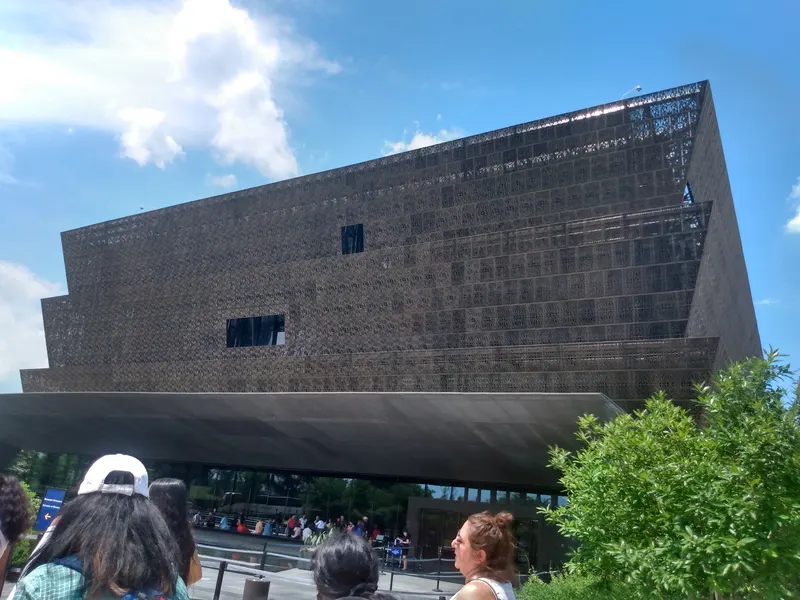
African American History Museum Guide
How to visit the National Museum of African American History & Culture on the Mall — the free timed-entry passes and how to get one, the deep underground history galleries, Sweet Home Café, the lines, how to pace an emotionally heavy visit, and the walk along the Mall.
Read guide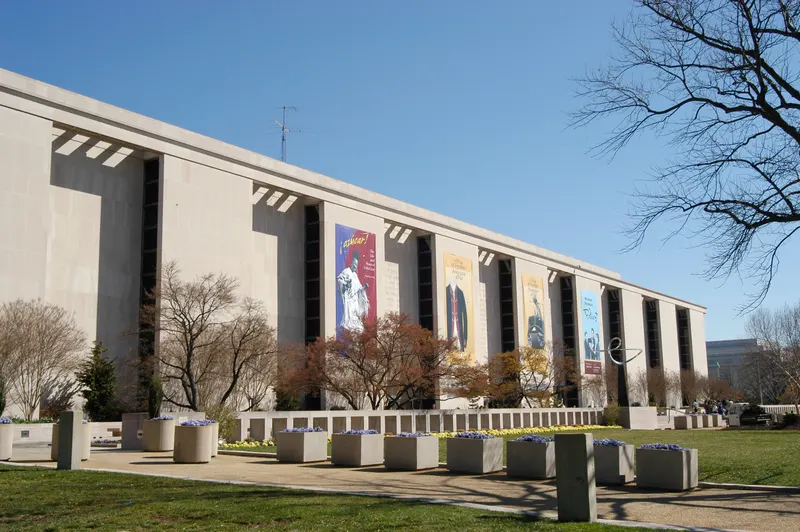
American History Museum Guide
How to visit the National Museum of American History on the Mall — the original Star-Spangled Banner, the First Ladies' gowns, the American presidency, the pop-culture icons, the food-court logistics, and how to time a visit around the school groups.
Read guide
Best Museums in Washington, D.C.
Washington has more world-class museums than any sane trip can hold, and almost all of them are free. This is a guide to the best museums in DC sorted by topic, age, ticket needs, location and rainy-day value — so you can choose two or three with confidence instead of trying to see them all.
Read guide
Best Photography Spots in Washington, D.C.
Where to make great photographs in Washington — the monument reflections, the Tidal Basin blossoms, the Capitol and Lincoln axis, Georgetown's waterfront, hidden rooftops and the golden-hour and blue-hour routes that tie them together.
Read guide
Best Things to Do in Washington, D.C.
A ranked first-trip shortlist of the best things to do in Washington, D.C. — from the National Mall and the free Smithsonian museums to a Capitol tour, the Tidal Basin and Georgetown — built so you can pick a handful and still feel you saw the city.
Read guide
Best Viewpoints in Washington, D.C.
Where to find the best views in Washington — the high monuments and free towers, the rooftop bars and cultural terraces, and the river and hilltop overlooks across the Potomac, ranked by how much effort each one asks.
Read guide