
Kennedy Center Guide
How to enjoy the Kennedy Center in Washington — the free Millennium Stage performances, the paid concerts and shows, the rooftop terrace views over the Potomac, building tours, getting there by Metro shuttle, and pre-show dinner.

- ✓The Kennedy Center is the national center for the performing arts — and you don't need a ticket to enjoy it: the building, terraces and Grand Foyer are open to walk through, often for free.
- ✓It has long offered free performances (the Millennium Stage tradition) open to all — check the current free-program schedule, as the days, times and format have evolved.
- ✓The rooftop terrace gives one of DC's best free river views, looking out over the Potomac toward Georgetown and the monuments — superb at sunset.
- ✓Paid concerts, opera, ballet, theatre and the National Symphony Orchestra fill the main halls; book ahead and check the dress code and start times.
- ✓It sits in Foggy Bottom by the river; reach it via the Foggy Bottom Metro and the venue's free shuttle, or on foot — verify the current shuttle on the Center's site.
The nation's stage by the river
The John F. Kennedy Center for the Performing Arts is Washington's grand cultural living room: a long, white marble building stretched along the bank of the Potomac, dedicated as a national memorial to President Kennedy and home to the National Symphony Orchestra, opera, ballet, theatre and a year-round program of music of every kind. But the thing many visitors don't realise is that you don't need a ticket to a show to enjoy it. The building itself is open to wander — the soaring Grand Foyer with its red carpet and chandeliers, the flag-lined Hall of Nations, and above all the rooftop terraces with their wide views over the river — and much of that is free.
That makes the Kennedy Center a rare two-in-one: a serious performing-arts venue for an evening out, and a free, beautiful place to walk through and look out from in the daytime. You can treat it as a casual stop on a Foggy Bottom afternoon — terrace views, a stroll through the foyers, perhaps a free performance — or as the centerpiece of a proper night out at a concert or show. Either way it's one of the more elegant, less crowded experiences in the city, and a welcome change from the federal core.

Free performances and the open building
For decades the Kennedy Center has run a tradition of free performances — the long-running Millennium Stage being the best-known — open to anyone, no ticket required, showcasing music, dance and spoken word of every genre. The exact days, times, format and location of the free program have evolved over the years (it no longer runs every single day), so rather than rely on memory, check the Center's current calendar for what free performances are on during your visit and where they take place. Turning up to a free show in such a grand setting is one of the loveliest, lowest-effort cultural experiences in DC.
Even with no performance on, the building rewards a wander. The Grand Foyer is one of the great interior spaces in the city — vast, red-carpeted, hung with enormous chandeliers and a striking bust of Kennedy — and the Hall of Nations and Hall of States flank it with the flags of the world and the states. You can stroll these public spaces, ride up to the rooftop terrace, and take in the scale of the place without spending a cent. Verify current opening hours and any access notes on the official site, as these can shift around events and productions.
- Free performances are a long-standing tradition — verify the current free-program schedule, days and location.
- The Grand Foyer, Hall of Nations and Hall of States are open to walk through, often for free.
- No show on? The building's public spaces and rooftop are worth the visit in themselves.
- Check current hours and access on the official site, as they shift around events.
The rooftop terrace and the views
The Kennedy Center's rooftop terrace is one of Washington's quietly great free experiences. Wrapping the building high above the Potomac, it opens out to a wide, uncrowded panorama: the river below, Georgetown and the Watergate to one side, the Theodore Roosevelt Island woods across the water, and, on a clear day, the monuments and aircraft tracing in toward the airport. There's space to walk the full length of the terrace, benches to sit on, and — depending on the season and current operations — refreshments. It costs nothing and asks nothing, which is exactly why it's worth seeking out.
The terrace is at its best around sunset, when the marble glows and the light goes gold over the river — a genuinely romantic spot that most tourists never find, since it isn't a 'sight' in the guidebook sense. If you're nearby in Foggy Bottom in the late afternoon, walking over for the terrace at golden hour is one of the easiest beautiful things you can do in DC. Confirm current rooftop access and any operating hours on the Center's site, as access can vary with events and time of year.
- The rooftop terrace gives a wide, uncrowded view over the Potomac toward Georgetown and the monuments.
- It's free and walkable along the building's full length, with benches and seasonal refreshments.
- Sunset is the magic hour — golden light on the marble and the river, and far fewer people than the Mall.
- Verify current rooftop access and hours on the official site, as they vary with events and season.
Seeing a show: concerts, opera, theatre and the NSO
For a proper night out, the Kennedy Center's main halls host a deep, year-round program: the National Symphony Orchestra in the Concert Hall, opera and ballet in the Opera House, plays and musicals in the Eisenhower Theater, and a wide range of music, comedy and family shows across its smaller venues. There's almost always something on, from blockbuster touring musicals to chamber recitals, so it's worth scanning the calendar for your dates and booking ahead — popular shows and prime weekend slots sell out, and ticket prices vary enormously by event and seat. Verify current programming and prices on the official site rather than assuming.
A few practicalities make the evening smoother. Arrive with time to spare for security screening and to find your hall within the large building; doors and start times are firm, and latecomers may be held until a suitable break. Dress is generally smart-casual to dressy depending on the event — there's no rigid code, but most people make an effort for opera and the symphony. And consider the pre-show: the building's own dining and the nearby Foggy Bottom and Georgetown restaurants make a meal-then-show evening easy to assemble.
- The main halls host the National Symphony Orchestra, opera, ballet, theatre, musicals and concerts year-round.
- Book ahead — popular shows and weekend slots sell out; prices vary widely by event and seat. Verify current pricing.
- Arrive early for security and to navigate the large building; latecomers may be held until a break.
- Dress is smart-casual to dressy depending on the event; most people dress up for opera and the symphony.
Tours of the building
If you'd like the story behind the marble, the Kennedy Center has long offered guided tours of the building — its history as a Kennedy memorial, the architecture and design, the gifts of art and materials from nations around the world that fill the halls, and the great performance spaces themselves. Tours are a good way to see corners you'd otherwise miss and to understand the building as a memorial and an international gift, not just a venue. The exact tour offering, timing and whether booking is required can change, so check the current arrangements on the official site before counting on one.
Even without a formal tour, the building is full of detail worth slowing down for: the donated chandeliers and tapestries, the Kennedy bust in the Grand Foyer, the flags of the Hall of Nations. If you're the sort of traveller who likes to know what you're looking at, a tour adds a satisfying layer; if you'd rather just wander, the public spaces and terrace stand on their own. Either way, allow more time than you'd expect — the building is genuinely big.
- Guided building tours cover the Center's history as a Kennedy memorial, its art and its halls.
- Tour timing and booking requirements can change — verify the current arrangements before relying on one.
- Self-guided wandering of the foyers, halls and terrace works well too, with plenty of detail to notice.
- Allow extra time — the building is large and easy to underestimate.
Getting there, and the pre-show evening
The Kennedy Center sits on the riverfront in Foggy Bottom, a touch removed from the nearest Metro, which is the one logistical thing to plan. The closest station is Foggy Bottom–GWU on the Orange, Blue and Silver lines, and the Center has long run a free shuttle between the station and the building to bridge the walk — verify the current shuttle service and timing on the official site, as it can change. It's also walkable from Foggy Bottom and Georgetown if you don't mind a stroll, and there is paid on-site parking for drivers. Whichever way you come, give yourself margin before a show.
Make an evening of it. The building has its own dining options, and the surrounding Foggy Bottom and nearby Georgetown neighbourhoods are full of restaurants for a pre-show meal, so a dinner-then-performance plan is one of DC's best date nights — finish with the rooftop terrace at dusk before curtain. Reserve dinner ahead on show nights, when nearby tables fill with the same crowd, and you have an elegant, romantic evening that has nothing to do with politics and everything to do with the river, the music and the lights.
Common questions
Is the Kennedy Center free to visit? Walking through the building, the foyers and the rooftop terrace is generally free, as are its long-standing Millennium Stage performances (check the current days and times). Tickets to main-hall shows are paid. Verify current details.
What's the rooftop terrace? A free, open terrace high above the Potomac with wide views toward Georgetown and the monuments — best at sunset. Confirm current access on the official site.
How do I get there? The Foggy Bottom–GWU Metro is closest, with a free shuttle to the building (verify the current service); it's also walkable, with paid on-site parking.
Do I need to dress up? There's no rigid code, but most people dress smart-casual to dressy for opera and the symphony. Wear what feels right for the event.
Can I take a tour? Guided building tours have long been offered — check the current schedule and booking rules on the official site.
Is it good for a date night? Very — pair a pre-show dinner nearby with the terrace at dusk and a performance for one of DC's best romantic evenings.

Related guides

Foggy Bottom Guide
How to use Foggy Bottom as a Washington base — the Kennedy Center, George Washington University, the Potomac riverfront, walkable access to the White House and west end of the Mall, hotels and the Metro logic of staying just west of the federal core.
Read guide
Date Night in Washington, D.C.
How to plan a date night in Washington — dinner and cocktails by neighborhood, rooftops with monument views, the Kennedy Center and U Street jazz, plus the free, romantic move of the monuments after dark.
Read guide
Romantic Restaurants in Washington, D.C.
Where to book a romantic dinner in Washington — anniversary tasting menus, cozy neighborhood dining rooms, waterfront and rooftop tables, and pre-theater spots, sorted by occasion and mood rather than by hype.
Read guideMore in Things to Do
6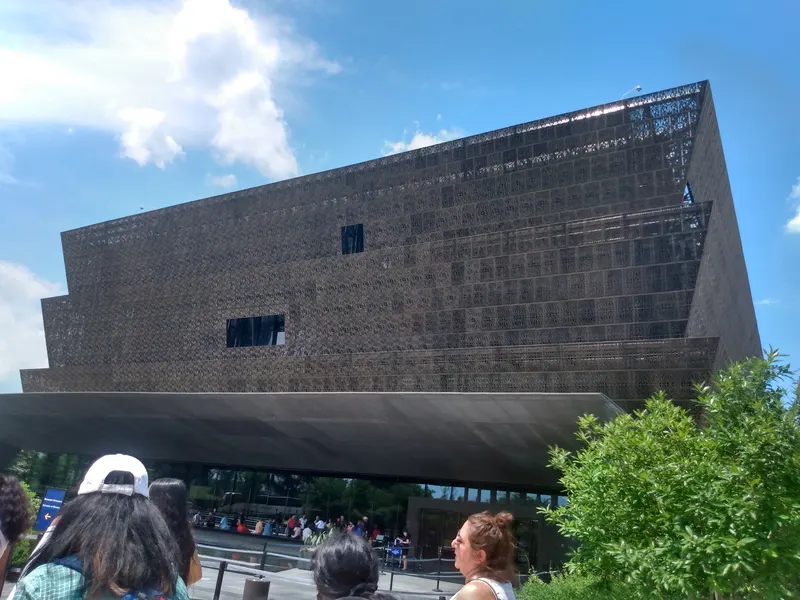
African American History Museum Guide
How to visit the National Museum of African American History & Culture on the Mall — the free timed-entry passes and how to get one, the deep underground history galleries, Sweet Home Café, the lines, how to pace an emotionally heavy visit, and the walk along the Mall.
Read guide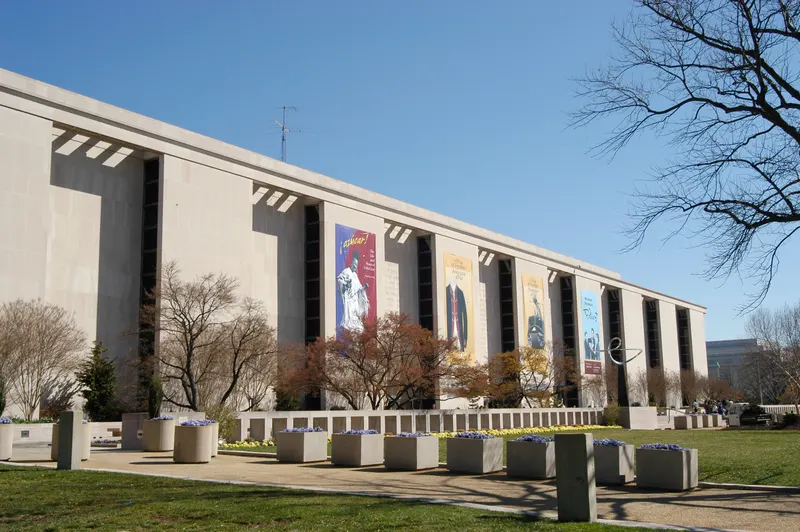
American History Museum Guide
How to visit the National Museum of American History on the Mall — the original Star-Spangled Banner, the First Ladies' gowns, the American presidency, the pop-culture icons, the food-court logistics, and how to time a visit around the school groups.
Read guide
Best Museums in Washington, D.C.
Washington has more world-class museums than any sane trip can hold, and almost all of them are free. This is a guide to the best museums in DC sorted by topic, age, ticket needs, location and rainy-day value — so you can choose two or three with confidence instead of trying to see them all.
Read guide
Best Photography Spots in Washington, D.C.
Where to make great photographs in Washington — the monument reflections, the Tidal Basin blossoms, the Capitol and Lincoln axis, Georgetown's waterfront, hidden rooftops and the golden-hour and blue-hour routes that tie them together.
Read guide
Best Things to Do in Washington, D.C.
A ranked first-trip shortlist of the best things to do in Washington, D.C. — from the National Mall and the free Smithsonian museums to a Capitol tour, the Tidal Basin and Georgetown — built so you can pick a handful and still feel you saw the city.
Read guide
Best Viewpoints in Washington, D.C.
Where to find the best views in Washington — the high monuments and free towers, the rooftop bars and cultural terraces, and the river and hilltop overlooks across the Potomac, ranked by how much effort each one asks.
Read guide